









Introduction:
Food is one of the most universal languages of culture. It tells the story of a place—its history, traditions, and the people who live there. In every region of the world, food plays an essential role in shaping local identity, fostering community, and preserving centuries-old customs. Traveling offers an incredible opportunity to explore these rich culinary landscapes, whether it’s through cooking classes, guided market tours, or indulging in local restaurants.
Engaging with the food culture of a region goes beyond just eating—it’s about understanding the ingredients, the techniques, and the cultural context behind the dishes. This article explores the diverse ways in which travelers can immerse themselves in local food cultures, providing insights into cooking classes, market tours, and the best restaurants to visit in key food destinations around the world.
1. Why Explore Regional Food Cultures?
Food is not just nourishment—it is a means of expression. It reflects the values, traditions, and lifestyle of a community, offering insight into a region’s history and the interconnections between culture, geography, and climate. Exploring regional food cultures helps to create a deeper understanding of the world and its people.
A Taste of History and Tradition
Many regional dishes have been passed down through generations, often evolving through centuries of cultural exchange, conquests, and migration. By understanding the food culture of a destination, travelers gain insight into its history. For instance, the influence of the Moors in Spain is reflected in the country’s use of spices like saffron and cumin, while the French culinary tradition has been shaped by the historical significance of its royal courts and noble patrons.
Cultural Identity Through Food
Food serves as a marker of cultural identity. In Italy, pasta is more than just a dish—it’s a symbol of national pride, with each region having its own variations and techniques. Similarly, in Japan, the delicate art of sushi preparation is deeply rooted in the country’s cultural appreciation for nature, seasons, and simplicity. Exploring food culture allows travelers to connect with the unique identities of the regions they visit.
Fostering Connections with Locals
Sharing a meal with someone is one of the most intimate ways to connect. In many cultures, food is an integral part of social life, and participating in culinary activities fosters connections with locals. Whether it’s preparing a traditional dish in a cooking class or visiting a food market with a local guide, these experiences often lead to conversations, exchanges, and friendships that transcend language barriers.
2. Culinary Travel Experiences: Cooking Classes
Cooking classes have become one of the most popular ways for travelers to immerse themselves in local food culture. These hands-on experiences allow visitors to learn from skilled chefs and local home cooks, gaining insight into regional ingredients, techniques, and the stories behind the dishes.
The Benefits of Taking a Cooking Class
- Learning Authentic Techniques: Cooking classes offer travelers the opportunity to learn traditional cooking methods and techniques that have been passed down for generations. These skills often aren’t available in cookbooks or online recipes, providing a deeper understanding of the culinary culture.
- Tasting the Ingredients: In many cooking classes, participants are encouraged to use fresh, local ingredients—often bought directly from the market or farm. This gives travelers a true taste of regional produce and flavors, elevating their understanding of local cuisine.
- Cultural Context: Cooking classes often include discussions about the history and cultural significance of the dishes. In these classes, you’ll learn not just how to cook a dish, but why it’s prepared in a particular way, when it’s typically served, and what it represents to the people who make it.
Where to Take Cooking Classes Around the World
- Italy – Pasta Making in Bologna: In Italy, pasta is more than just food—it’s a way of life. In Bologna, travelers can join classes to learn the art of making traditional tagliatelle or tortellini from scratch. These classes often take place in family-run kitchens or small trattorias, offering an intimate experience of Italy’s rich culinary heritage.
- Thailand – Traditional Thai Cooking in Chiang Mai: Chiang Mai, in northern Thailand, offers a range of cooking schools where travelers can learn to make quintessential Thai dishes like green curry, pad Thai, and tom yum soup. Classes usually include a visit to the local market to buy fresh ingredients, followed by a hands-on cooking lesson.
- Mexico – Mole Cooking in Oaxaca: Oaxaca is known for its complex and flavorful moles, and taking a cooking class in this region is a must for food lovers. Local chefs will guide travelers through the process of grinding spices, chiles, and other ingredients to create this signature dish.
- Japan – Sushi Making in Tokyo or Kyoto: Sushi is a global favorite, but learning how to make it in Japan—where the tradition is at its most refined—is an experience like no other. In classes held in Tokyo or Kyoto, participants will learn how to prepare sushi rice, select the freshest fish, and create rolls and sashimi like a true sushi master.
- Morocco – Tagine Cooking in Marrakech: Moroccan cuisine is rich in spices, and the tagine, a slow-cooked stew, is the heart of many meals. In Marrakech, cooking schools teach travelers how to prepare tagine, utilizing traditional spices like cumin, saffron, and cinnamon to create bold, fragrant flavors.
3. Food Market Tours: A Sensory Exploration
Visiting local food markets is one of the best ways to connect with a region’s food culture. These vibrant spaces offer a sensory overload of sights, smells, and sounds, providing travelers with the chance to experience the raw ingredients that go into traditional dishes.
The Role of Markets in Culinary Culture
Markets are the heart of food culture in many cities around the world. In addition to providing locals with the ingredients they need for daily meals, markets are also places of social interaction, commerce, and celebration. By visiting a market, travelers can learn about local produce, spices, and the food customs of the region.
Best Food Markets to Visit Around the World
- La Boqueria – Barcelona, Spain: La Boqueria is one of the most famous food markets in Europe. Located off Las Ramblas, it’s a feast for the eyes and stomach, with stalls selling everything from fresh seafood and meats to local cheeses, cured hams, and seasonal fruits. A guided tour through La Boqueria offers an introduction to Catalan ingredients and regional dishes.
- Tsukiji Market – Tokyo, Japan: Tokyo’s Tsukiji Market (now the Toyosu Market) is famous for its seafood, especially the tuna auctions. While the market has moved, the new Toyosu Market still offers a range of fresh produce and seafood. Participating in a guided tour gives visitors the chance to sample sushi, sashimi, and local delicacies right from the source.
- Mercado de San Juan – Mexico City, Mexico: Known for its exotic meats, cheeses, and gourmet ingredients, Mercado de San Juan is a haven for food lovers. A tour of this market offers a chance to try unusual delicacies like chapulines (fried grasshoppers), mezcal, and freshly made tacos.
- Grand Bazaar – Istanbul, Turkey: The Grand Bazaar is one of the largest covered markets in the world, filled with everything from textiles to spices and Turkish delights. A food-focused tour will take travelers through stalls offering baklava, lokum (Turkish delight), and spices used in the making of kebabs and pilafs.
- Marrakech Souks – Morocco: The souks (markets) in Marrakech are a whirlwind of colors, smells, and sounds. Spices such as saffron, cumin, and paprika line the stalls, while fresh produce and herbs form the backbone of the Moroccan diet. A market tour here offers an introduction to the spices used in dishes like couscous and tagine.
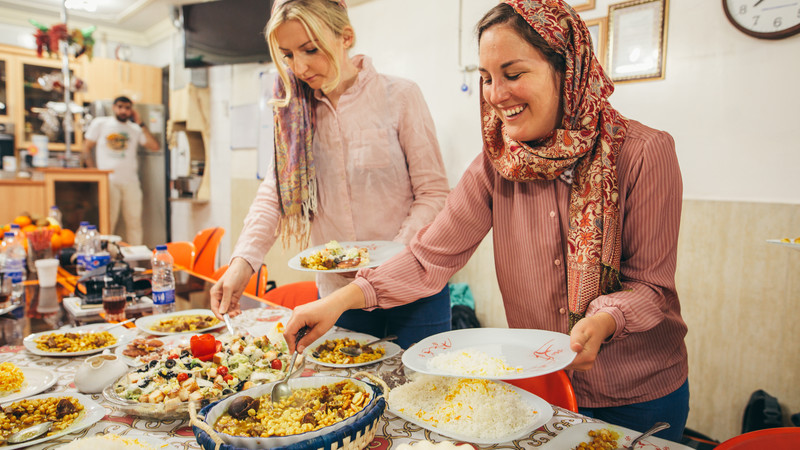
4. Best Restaurants to Experience Local Cuisine
While cooking classes and market tours are invaluable for understanding a region’s culinary heritage, there’s no better way to immerse yourself in a destination’s food culture than by dining at the best local restaurants. Whether it’s a Michelin-starred establishment or a humble family-run eatery, each restaurant offers a window into the heart of the local food scene.
Michelin-Starred Restaurants and Local Dining
While high-end dining offers sophistication and innovation, it is the humble, local eateries that often provide the most authentic culinary experiences. Some of the world’s best dishes are created in kitchens with modest settings but extraordinary ingredients and techniques.
- France – Le Bernardin, Paris: France is known for its haute cuisine, and dining at a Michelin-starred restaurant like Le Bernardin offers a deep dive into French culinary artistry. Whether it’s a delicate coq au vin or a classic escargot, France’s food culture shines through every dish.
- Italy – Osteria Francescana, Modena: Chef Massimo Bottura’s restaurant in Modena offers a modern twist on traditional Italian cuisine. Osteria Francescana combines innovation with regional ingredients, allowing diners to experience Italy’s culinary culture in a contemporary way.
- Thailand – Nahm, Bangkok: Led by chef David Thompson, Nahm is a celebrated restaurant that brings traditional Thai flavors to life with sophistication and finesse. It’s an ideal place for anyone wanting to experience how Thailand’s vibrant flavors are elevated to new heights.
5. Conclusion
Exploring regional food cultures through cooking classes, market tours, and restaurant recommendations is an unforgettable way to connect with a place and its people. These experiences provide more than just a meal—they offer a deep understanding of the traditions, history, and creativity that shape a region’s culinary identity. Whether you’re learning to cook a local dish, discovering new ingredients at a market, or savoring the finest dishes at a local restaurant, every culinary experience enriches your travel journey and enhances your appreciation of global food cultures.
So, the next time you travel, take time to explore the local food scene. It’s a journey that will not only satisfy your taste buds but also deepen your connection to the places you visit.