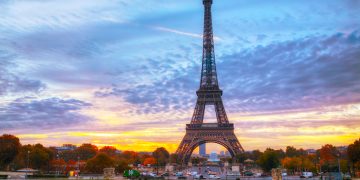





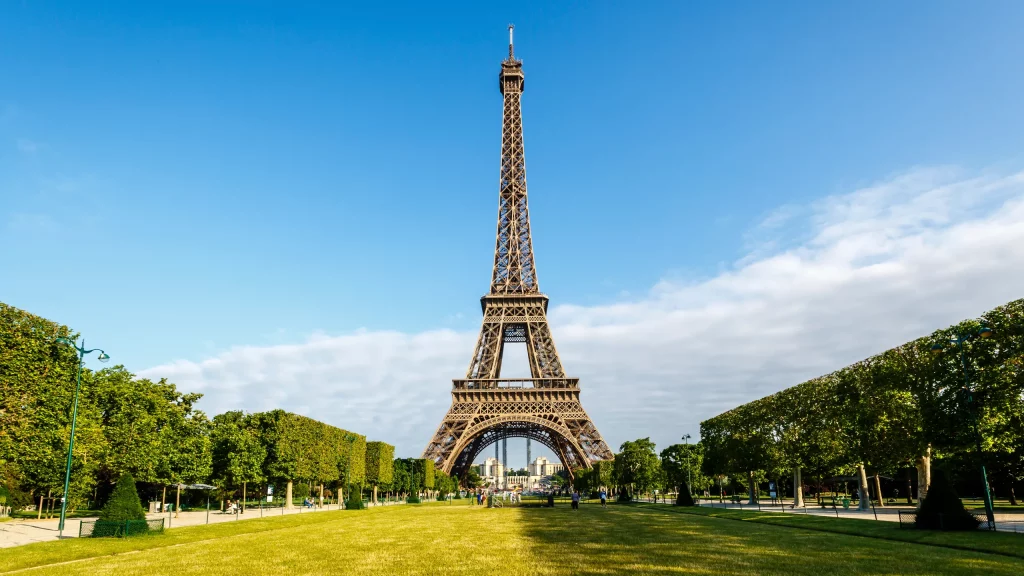
When you think of Paris, one image immediately comes to mind: the majestic Eiffel Tower. Standing at 330 meters tall, the Eiffel Tower is not just an architectural marvel; it is a symbol of French culture, ingenuity, and romance. For more than 130 years, it has been one of the world’s most visited landmarks, attracting millions of tourists each year from every corner of the globe. Whether you’re standing at its base, admiring its iron lattice structure, or taking in a breathtaking view of Paris from its observation decks, the Eiffel Tower offers a unique experience that captivates the imagination and hearts of those who visit.
This article will explore the fascinating history, construction, cultural significance, and modern-day allure of the Eiffel Tower. From its early days as a controversial exhibit at the 1889 World’s Fair to its present-day status as a symbol of France, the Eiffel Tower holds a special place not only in Paris but also in the hearts of people worldwide.
Chapter 1: The Birth of the Eiffel Tower
1.1 The Vision of Gustave Eiffel
The idea of the Eiffel Tower was born out of the need for a grand structure to represent France at the 1889 Exposition Universelle (World’s Fair) held in Paris. Gustave Eiffel, a brilliant French engineer, was commissioned to design a tower that would serve as the centerpiece of the event. Eiffel’s vision was to create a structure that was both modern and symbolic of France’s industrial prowess, something that would be a technological marvel and a symbol of the country’s progress into the modern era.
The design of the Eiffel Tower was initially met with skepticism, even scorn, by many prominent Parisians and artists. Some critics believed the structure was too industrial, too harsh, and not in keeping with the elegance and beauty that Paris was known for. However, Eiffel’s design was both practical and visionary, featuring an iron lattice structure that would be both lightweight and strong enough to stand as the tallest structure in the world at the time.
1.2 The Construction Process
Construction of the Eiffel Tower began in January 1887 and took just over two years to complete. The project employed more than 300 workers, and during the course of construction, over 18,000 iron pieces were assembled using 2.5 million rivets. Eiffel’s meticulous attention to detail ensured that the tower was built with precision, allowing for minimal distortion as it was assembled.
Remarkably, despite the skepticism that surrounded its design, the tower was completed ahead of schedule and under budget. The Exposition Universelle opened on May 6, 1889, and the Eiffel Tower became the star of the event, immediately capturing the attention and imagination of visitors from all over the world.
Chapter 2: The Architecture of the Eiffel Tower
2.1 A Masterpiece of Engineering
The Eiffel Tower’s design is a remarkable example of architectural innovation and engineering excellence. The structure was built using wrought iron, a material that was relatively new at the time and allowed Eiffel to create a tower that was both light and sturdy. The lattice design of the tower, with its crisscrossed iron beams, provides a perfect balance between strength and weight, allowing the tower to withstand strong winds and other elements.
At the time of its completion, the Eiffel Tower stood as the world’s tallest man-made structure, a title it would hold for 41 years until the completion of the Chrysler Building in New York City in 1930. The tower is divided into three levels, each offering a different experience for visitors.
- First Level: The first level is located 57 meters above ground and features a glass floor, offering an exciting perspective of the ground below. It also houses shops, restaurants, and exhibitions related to the history and engineering of the Eiffel Tower.
- Second Level: Located 115 meters above the ground, the second level is where most visitors head for the best panoramic views of the city. From here, you can see landmarks like the Louvre, Notre-Dame, and the Champs-Élysées. This level also has an observation deck with telescopes.
- Third Level: The third level is the highest observation deck, situated 276 meters above ground. It provides a stunning 360-degree view of Paris, including views of the Seine River, the Sacré-Cœur Basilica, and the sprawling Parisian skyline. On a clear day, you can see up to 60 kilometers in every direction.
2.2 The Iron Lattice Structure
The Eiffel Tower’s iron lattice structure is one of its most defining features. The lattice design was not just an aesthetic choice; it was a practical solution to the challenges of building a tower of such great height. The open design reduces wind resistance, making the tower more stable during storms and high winds. In fact, the Eiffel Tower sways slightly in high winds, which is a testament to its flexibility and structural integrity.
The iron used in the tower is relatively lightweight, yet it was durable enough to stand up to the elements for over a century. The paint that coats the tower helps to protect it from rust and corrosion, and the structure is repainted approximately every seven years to maintain its appearance and strength.
Chapter 3: The Eiffel Tower as a Cultural Icon
3.1 The Eiffel Tower in Popular Culture
Over the years, the Eiffel Tower has become one of the most recognized symbols of Paris and France. It appears in countless works of art, literature, films, and photographs. Its romantic associations have made it a favorite backdrop for couples, honeymooners, and anyone looking to capture the essence of Paris. The tower has appeared in films such as “Midnight in Paris”, “The Da Vinci Code”, and “Amélie”, further cementing its status as a global cultural icon.
The tower is also frequently depicted in art, from early 20th-century post-impressionist paintings to contemporary digital artwork. Artists like Georges Seurat and Robert Delaunay used the Eiffel Tower as a central motif in their work, making it a symbol of modernity and progress.
3.2 The Eiffel Tower and French Identity
The Eiffel Tower is inextricably linked to French identity. It represents not just the country’s technological and engineering prowess but also its cultural significance. The tower is a symbol of French innovation, art, and national pride. It stands as a testament to the country’s ability to combine beauty and functionality in ways that have influenced architecture around the world.
In addition to its role as a national symbol, the Eiffel Tower also plays an important role in French national celebrations. On Bastille Day, the tower is illuminated with fireworks and light shows, drawing thousands of spectators who gather along the banks of the Seine River to witness the spectacle.
Chapter 4: The Eiffel Tower Today
4.1 A Hub for Tourism
Today, the Eiffel Tower is one of the most visited attractions in the world, with millions of tourists flocking to Paris every year to experience the beauty and grandeur of this landmark. The tower has become a symbol of romance, a place where couples take iconic photos and create lasting memories. The Eiffel Tower also remains a site of learning and cultural exchange, with various exhibitions and events held throughout the year.
In addition to its observation decks, the tower hosts a range of restaurants, including the Le Jules Verne restaurant, which is located on the second level and offers a Michelin-starred dining experience. The tower also features gift shops and cultural exhibitions related to its history, ensuring that visitors have an enriching experience during their visit.
4.2 Lighting Up the Night Sky
The Eiffel Tower is particularly stunning at night when it is illuminated with thousands of light bulbs. The light show, which is refreshed every hour on the hour, lasts for about five minutes and casts a sparkling glow over the Parisian skyline. The tower is also adorned with special lighting displays for various events, including the Paris Fashion Week, New Year’s Eve, and national celebrations.
The shimmering lights of the Eiffel Tower symbolize the vibrancy and energy of Paris, making it an even more magical place to visit after sunset. The tower’s nighttime glow can be seen from miles around, offering a romantic and picturesque view of Paris from the streets below.
Chapter 5: Visiting the Eiffel Tower
5.1 Tips for Visiting
When planning a visit to the Eiffel Tower, there are a few things to keep in mind to make your experience as enjoyable as possible:
- Timing: To avoid the crowds, it’s best to visit early in the morning or later in the evening. The sunset hours offer an especially breathtaking view of the city, with the changing light creating a stunning backdrop for photographs.
- Tickets: There are several ways to purchase tickets for the Eiffel Tower, including online reservations to skip the lines. It’s recommended to book in advance, especially during peak tourist seasons.
- Dining Options: For a unique experience, consider dining at one of the Eiffel Tower’s restaurants, such as the Le 58 Tour Eiffel or the aforementioned Le Jules Verne.
- Walking Tours: Consider booking a guided tour to learn about the history and design of the tower, along with insider tips about the best photo spots.
Conclusion: The Timeless Allure of the Eiffel Tower
The Eiffel Tower is not just a feat of engineering or an iconic symbol of Paris. It represents the spirit of innovation, beauty, and romance that Paris and France are known for. Its historical significance, architectural brilliance, and cultural impact make it a must-see destination for travelers from around the world.
Whether you are visiting for the first time or returning to experience it again, the Eiffel Tower never fails to impress. It stands as a testament to the power of human creativity and the enduring charm of Paris itself. It is, without a doubt, one of the most remarkable landmarks in the world and a place that will always inspire awe in those who behold it.