









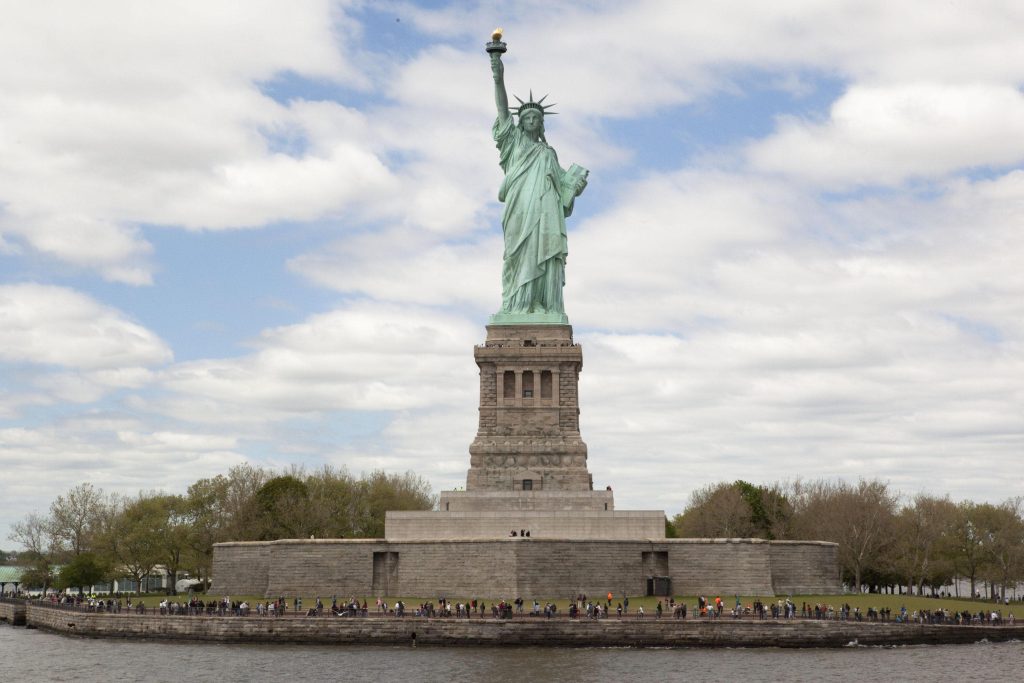
The Statue of Liberty stands proudly on Liberty Island in New York Harbor, welcoming millions of immigrants and visitors to the United States. A towering figure representing freedom, hope, and democracy, this colossal statue has become one of the most recognizable symbols of not only New York City but also the entire United States. Standing 305 feet tall, the Statue of Liberty is a cultural and historical landmark that speaks to the ideals upon which America was founded.
This article explores the history, symbolism, and cultural significance of the Statue of Liberty—a monument that has been an enduring symbol of freedom and hope for generations. From its origins in France to its arrival in the United States, and its role in shaping the American identity, the Statue of Liberty remains a beacon of optimism and opportunity for people worldwide.
Chapter 1: The Birth of the Statue of Liberty
1.1 The Idea and Vision
The idea for the Statue of Liberty was conceived in the 1860s by Édouard René de Laboulaye, a French political thinker and abolitionist. Laboulaye was an ardent supporter of the United States and its principles of democracy, freedom, and equality. He believed that the people of France should honor the success of the United States as a symbol of liberty, especially after the country had emerged victorious from the Civil War. His idea was not just to create a statue, but to build a monumental gift that would celebrate the lasting friendship between France and the United States.
Frédéric Auguste Bartholdi, a French sculptor, was entrusted with the task of bringing Laboulaye’s vision to life. Bartholdi, inspired by classical sculptures and the idealized representation of liberty, designed the statue to represent Liberty enlightening the world. The statue would be a female figure holding a torch, with a broken chain at her feet, symbolizing the end of oppression and the triumph of freedom.
1.2 The Design and Construction
Bartholdi’s design was influenced by the ancient Roman goddess Libertas, who represented freedom and independence. The statue’s formal name, “Liberty Enlightening the World”, was a reflection of this classical inspiration. Bartholdi envisioned a monumental figure standing 151 feet tall, a symbol of strength and resilience.
Construction of the statue began in France in 1875, with the iron framework designed by Gustave Eiffel, the same engineer who later designed the Eiffel Tower. The statue was assembled in Paris and, once completed, was carefully disassembled for shipment to the United States.
The statue was constructed from copper sheets hammered into shape, which gave it its distinctive green color over time due to the natural process of oxidation. At its completion in 1884, the statue was ready for its voyage to New York.
Chapter 2: The Journey to America
2.1 Shipping the Statue
In 1885, the Statue of Liberty was disassembled into 350 individual pieces, carefully packed into 214 wooden crates, and shipped across the Atlantic Ocean. The statue’s journey to New York was a monumental task, and it took several months for the pieces to arrive safely. Upon arrival at the New York Harbor, the statue was reassembled on Liberty Island (then called Bedloe’s Island), a small, uninhabited landmass at the entrance to the harbor.
The process of rebuilding the statue took four months, and it was officially unveiled on October 28, 1886 in a grand ceremony presided over by President Grover Cleveland. At this moment, the Statue of Liberty was officially dedicated as a gift from the people of France to the people of the United States, symbolizing their shared values of liberty and democracy.
2.2 The Impact of the Statue’s Arrival
When the Statue of Liberty was unveiled in 1886, it marked not only the culmination of years of planning and labor but also the beginning of a new chapter in the history of the United States. The statue quickly became a symbol of hope for countless immigrants who arrived at Ellis Island, just a short distance away from Liberty Island. As the largest and most prominent landmark in New York Harbor, it was the first sight that immigrants would often see when they arrived in America, symbolizing the promise of a better life and the opportunities awaiting them.
For many, the Statue of Liberty was a beacon of freedom from tyranny, oppression, and hardship. As waves of immigrants passed beneath the statue’s towering presence, they saw it as a promise of new beginnings—a land of opportunity where they could build new lives and pursue their dreams.
Chapter 3: Symbolism and Meaning
3.1 The Torch: Enlightenment and Hope
The most striking feature of the Statue of Liberty is the torch that she holds high above her head. The torch represents the light of liberty, serving as a guiding beacon for all who seek freedom. It symbolizes the enlightenment of individuals and the hope of progress, signifying that liberty shines as a guiding light in the world.
Originally, the flame of the torch was made of gold leaf, but due to its exposure to the elements, it was later replaced with a copper replica in 1986. Today, the torch is not open to the public for safety reasons, but its symbolism remains at the heart of the statue’s message of hope and enlightenment.
3.2 The Broken Chains: Freedom from Oppression
At the base of the statue, near her feet, lies a set of broken chains, symbolizing the end of oppression and tyranny. The chains, once binding her, are now shattered, signifying freedom from all forms of subjugation. This powerful image reflects the values of liberty and justice that the United States sought to embody, particularly during the abolition of slavery and the fight for civil rights.
The chains also convey the idea that freedom is a right that cannot be taken away—once broken, the chains represent an enduring liberation that must be preserved and protected.
3.3 The Crown and Seven Rays: Universal Freedom
The crown of the Statue of Liberty is adorned with seven rays, which are often interpreted as representing the seven continents and seven seas. This imagery conveys the idea that liberty is universal and extends beyond national boundaries. It signifies that the ideals of freedom and justice are not confined to one place, but are meant for all of humanity.
The crown also contains 25 windows, representing the gemstones of the world and allowing visitors to look out upon the vast expanse of New York Harbor, symbolizing the wide-reaching influence and importance of the statue’s ideals.
Chapter 4: The Statue of Liberty in American Culture
4.1 An Enduring Cultural Icon
The Statue of Liberty is not only a symbol of America’s founding ideals but has also come to represent the American Dream—the idea that anyone, regardless of their background, can build a better life in the United States through hard work, determination, and perseverance. Over the years, the statue has become an integral part of American culture, appearing in literature, art, films, and music. It is a frequent subject of inspiration, often evoking feelings of hope, national pride, and immigration.
The statue has also become a key symbol in political discourse, particularly when it comes to discussions about freedom, immigration, and human rights. As such, the Statue of Liberty is not only a physical monument but also an enduring representation of the values and ideals that define the United States.
4.2 The Statue of Liberty in Popular Media
The Statue of Liberty has appeared in countless films, television shows, and works of art. Perhaps most famously, it was used as a plot device in the movie “Planet of the Apes” (1968), where the statue’s ruined remains symbolize the fall of human civilization. It has also been featured in countless music videos, such as Beyoncé’s “Halo,” as a symbol of strength and resilience.
In addition to its role in pop culture, the statue has become a focal point of international events. It is frequently used in celebrations of American values and in moments of global unity. Whether it’s for the Fourth of July celebrations or major international gatherings, the Statue of Liberty stands tall as a global icon of freedom and peace.
Chapter 5: Visiting the Statue of Liberty
5.1 The Visitor Experience
Visiting the Statue of Liberty is an unforgettable experience, whether you’re admiring it from the ferry ride across the harbor or standing at its base on Liberty Island. The Statue of Liberty National Monument offers tours and exhibits that provide visitors with detailed information about the history and symbolism of the statue. Visitors can also visit the museum on Liberty Island, which showcases the statue’s creation, its dedication, and its place in American history.
For those who want an even more intimate experience, there are opportunities to climb to the crown of the statue. While access to the crown is limited, those who are fortunate enough to make the climb are rewarded with a stunning view of New York City, New Jersey, and the harbor.
Conclusion: A Monument of Eternal Hope
The Statue of Liberty is more than just a monumental sculpture in the harbor of New York; it is a symbol of freedom, hope, and opportunity. It stands as a testament to the enduring spirit of the United States and the universal desire for liberty and justice. For millions of immigrants arriving in America, the statue was—and remains—a beacon of hope, promising a new beginning in a land of freedom and possibility.
As we continue to look to the future, the Statue of Liberty will undoubtedly remain an enduring symbol of the American Dream and a powerful reminder of the importance of freedom, human rights, and democracy for people around the world.