








Introduction
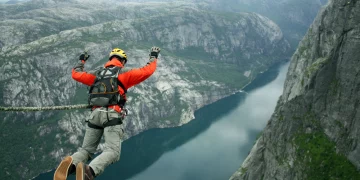
Adventure travel has evolved from a niche pursuit to a mainstream phenomenon in recent years. More and more people are stepping outside their comfort zones, seeking experiences that push them physically, mentally, and emotionally. Whether it’s climbing the world’s highest peaks, trekking through uncharted jungles, or diving into the depths of the ocean, extreme travel challenges us to go beyond what we thought was possible. The quest for these life-changing experiences—where the only limit is the one we impose on ourselves—has become a defining aspect of modern travel culture.
In this article, we will explore what makes extreme and adventure travel so compelling, why people push themselves to their limits, and how such journeys can transform our lives. We will delve into different types of extreme adventures, examine the physical and psychological preparation required, and discuss the deeper meaning that these life-altering experiences often carry.
1. The Essence of Extreme and Adventure Travel
1.1 The Definition of Extreme Travel
Extreme travel is defined by experiences that push individuals past their physical and mental comfort zones. These trips often involve high-risk activities and environments, where danger is inherent and the stakes are elevated. For some, extreme travel is about testing their limits, while for others, it is about connecting deeply with nature and the raw forces of the Earth.
While extreme travel can manifest in various forms—from high-altitude mountaineering to extreme sports—adventure travel, in general, involves engaging with the wild and unknown, whether through exploring remote destinations, navigating unpredictable terrains, or confronting the forces of nature.
1.2 Why People Seek Extreme Travel Experiences
The appeal of extreme travel lies in its ability to break the boundaries of the everyday. Stepping into a world that is unpredictable, unfamiliar, and often dangerous creates a sense of accomplishment and personal growth. For many, extreme travel provides an opportunity to confront and overcome fears, face physical challenges, and engage in life-changing experiences.
Additionally, extreme travel often brings people closer to nature, allowing them to experience the beauty and power of the Earth in ways that ordinary travel cannot. It is this combination of thrill, personal growth, and awe-inspiring scenery that makes extreme and adventure travel so compelling.
2. Types of Extreme and Adventure Travel
Extreme and adventure travel can take many forms, ranging from physical challenges that test endurance and strength to immersive experiences in the wild. Below, we will explore some of the most popular categories of extreme travel.
2.1 High-Altitude Expeditions: Conquering the World’s Tallest Peaks
Climbing some of the highest peaks in the world is perhaps the ultimate test of human endurance. High-altitude mountaineering challenges both the body and the mind, requiring physical strength, mental resilience, and an understanding of the environment’s dangers.
Mount Everest: The Ultimate Climb
Mount Everest, standing at 8,848 meters (29,029 feet), is the most coveted of all extreme climbing destinations. The perilous conditions, including the extreme altitude, sub-zero temperatures, and unpredictable weather, make it a true test of a climber’s limits. However, Everest is not just about summiting—it’s about the journey, the mental fortitude required, and the satisfaction that comes with overcoming one of the greatest challenges on Earth.
Other High-Altitude Destinations
Aside from Everest, there are several other extreme peaks around the world that attract adventurers, including K2, the Matterhorn, and the peaks of the Andes and the Himalayas. These destinations are infamous for their treacherous conditions, demanding both physical fitness and a deep respect for the natural elements.
2.2 The Challenge of Remote Wilderness: Trekking and Exploration
Trekking through remote wilderness areas is a form of adventure travel that offers a unique connection to nature. It requires an ability to navigate challenging terrains, adapt to ever-changing conditions, and survive with minimal resources.
The Amazon Rainforest: Exploring the World’s Largest Jungle
The Amazon Rainforest, spanning nine countries in South America, is one of the most biodiverse places on the planet. Trekking through its dense, humid jungles is both physically and mentally demanding. Adventurers must contend with extreme heat, heavy rainfall, and a host of potential dangers, including venomous wildlife and unpredictable weather. However, those who venture into the heart of the Amazon are rewarded with unparalleled experiences, from encountering exotic wildlife to learning about indigenous cultures.
The Sahara Desert: The Extreme of Arid Landscapes
The Sahara Desert, one of the harshest environments on Earth, offers another form of extreme adventure. Crossing this vast expanse of sand dunes and rocky plateaus is no easy feat. Temperatures can reach up to 50°C (122°F) during the day, and the landscape is unforgiving. However, for those who dare, the Sahara offers a strikingly beautiful and remote environment, with the opportunity to witness the awe-inspiring expanses of sand and the resilient cultures that survive in the harsh desert conditions.
2.3 Extreme Water Adventures: Exploring the Depths
Extreme water sports take adventurers into the heart of the world’s oceans, rivers, and lakes, often involving significant risk and technical skill. These activities push participants to confront powerful water currents, extreme depths, and the ever-present force of nature.
Scuba Diving in the Great Barrier Reef
For many, the Great Barrier Reef represents the pinnacle of underwater exploration. Scuba diving in this vibrant and diverse ecosystem allows divers to explore the intricate coral formations, swim alongside exotic marine species, and experience the underwater world in all its splendor. Extreme diving locations such as the Blue Hole in Belize and the caves of Mexico offer a more extreme challenge, where divers enter submerged caverns and explore the deeper reaches of the ocean.
Whitewater Rafting and Kayaking
For those who seek the thrill of navigating raging rivers, whitewater rafting and kayaking offer the ultimate water adventure. Challenging rivers like the Zambezi River in Africa, the Colorado River in the United States, and the Futaleufú River in Chile offer rapids that can reach Class V and higher, making these waterways suitable only for the most experienced and daring adventurers.
2.4 Adventure Sports: Pushing Physical Limits
For adrenaline junkies, extreme adventure sports offer a way to experience the rush of excitement while challenging physical endurance. Activities like base jumping, skydiving, bungee jumping, and rock climbing allow travelers to face their fears and push themselves to new heights, quite literally.
Skydiving: A Thrill Above the Clouds
Skydiving is perhaps the most exhilarating extreme sport. Jumping from an aircraft at thousands of feet and freefalling through the air before pulling the parachute is not for the faint of heart. Locations like Interlaken in Switzerland, Dubai’s Palm Jumeirah, and the Grand Canyon in the U.S. offer some of the most scenic and exciting skydiving experiences in the world.
Rock Climbing: Scaling Impossible Heights
Rock climbing, whether on natural cliffs or indoor walls, is a sport that combines strength, skill, and strategy. Iconic locations like Yosemite’s El Capitan and the limestone cliffs of Thailand’s Krabi Province offer some of the most challenging climbs for seasoned climbers, while bouldering enthusiasts can tackle the boulders of Joshua Tree National Park or the caves of Vietnam’s Ha Long Bay.

3. The Psychology of Extreme Travel: Confronting Fear and Building Resilience
3.1 The Role of Fear in Extreme Adventures
Fear is a natural response to risky situations, and extreme travel often requires confronting and overcoming that fear. Whether it’s the fear of heights during a climb, the fear of the unknown in a jungle, or the fear of failure during an endurance challenge, fear is a significant psychological barrier for many adventurers. Overcoming this fear is one of the most rewarding aspects of extreme travel.
3.2 The Psychological Benefits of Pushing Boundaries
Engaging in extreme travel and adventure often results in profound psychological benefits. The sense of achievement after completing a challenging expedition, the confidence gained from overcoming fears, and the emotional catharsis that comes from pushing physical limits can have lasting positive effects on mental health. These experiences can foster resilience, increase self-esteem, and promote a greater sense of well-being.
3.3 Personal Growth Through Extreme Challenges
The challenges faced in extreme travel—be it climbing a peak, surviving in a harsh wilderness, or participating in a high-risk sport—serve as a microcosm for life’s larger obstacles. By successfully navigating these challenges, travelers build not only physical strength but also the mental fortitude necessary to face life’s uncertainties and adversities. Many adventurers report that extreme travel has been transformative, teaching them to persevere, adapt, and thrive in difficult situations.
4. Planning Your Extreme Adventure: Preparation is Key
4.1 Physical Training and Fitness
One of the most important aspects of preparing for an extreme adventure is physical conditioning. Activities such as long-distance hiking, endurance swimming, or strength training are essential for building the stamina and strength necessary to tackle challenging environments. For mountaineers, specific training focused on altitude endurance and technical climbing skills is critical, while water adventurers need to focus on swimming and rescue techniques.
4.2 Mental Preparation: Building Resilience
Extreme travel requires mental toughness. Preparing mentally for the challenges of an extreme adventure involves setting realistic expectations, developing coping strategies for stress, and maintaining a positive, focused mindset throughout the journey. Adventurers often train their minds through meditation, visualization, and goal-setting techniques to prepare for the psychological demands of high-risk activities.
4.3 Safety and Risk Management
Safety is paramount in extreme travel. Researching the specific dangers of a chosen destination or activity, investing in proper equipment, and learning from experienced guides are crucial steps to mitigate risk. Furthermore, adventurers should always have contingency plans in place for emergencies, including medical evacuation and rescue operations.
Conclusion
Extreme and adventure travel is not for everyone, but for those who seek to test their limits, explore the unknown, and experience life at its most raw and unfiltered, these journeys offer profound rewards. Whether it’s scaling the heights of Everest, trekking through the Amazon, or skydiving over the Swiss Alps, the experiences of overcoming physical and mental challenges leave lasting imprints on our lives. These extreme adventures are a reminder that we are capable of far more than we often give ourselves credit for, and that true growth often comes from stepping outside the boundaries of the familiar.