





Introduction
Iceland, often referred to as the “Land of Fire and Ice,” is a country defined by its striking contrast between volcanic activity and glacial expanses. Situated on the Mid-Atlantic Ridge, where the North American and Eurasian tectonic plates meet, Iceland is one of the most geologically active regions in the world. The island is home to an extensive network of volcanoes, geysers, hot springs, and lava fields that continue to shape its stunning landscapes. For travelers seeking natural wonders that are truly unique, Iceland’s volcanic regions provide an unrivaled opportunity to witness the Earth’s raw power and beauty.
In this article, we will explore the volcanic landscapes of Iceland, examining how these natural wonders have formed, the impact they have on the country’s ecology and culture, and how travelers can experience the island’s geothermal beauty firsthand. From towering volcanoes to expansive lava fields, Iceland’s volcanic regions offer some of the most awe-inspiring views and geological phenomena on Earth.
1. Iceland’s Volcanic Origins: A Geological Overview
Iceland’s geological history is a fascinating tale of fire and ice, where volcanoes, glaciers, and tectonic movements have interacted to create a land of unparalleled beauty. The island sits atop a hotspot along the Mid-Atlantic Ridge, an area where the Earth’s tectonic plates are slowly drifting apart, allowing magma from the Earth’s mantle to rise to the surface. This volcanic activity has created much of Iceland’s landmass and continues to shape its landscape today.
1.1 The Role of the Mid-Atlantic Ridge
The Mid-Atlantic Ridge is a divergent boundary between the North American and Eurasian tectonic plates, stretching from the Arctic Ocean to the Southern Ocean. In Iceland, this ridge is above sea level, making the island one of the few places where this tectonic activity is directly observable. The continuous movement of the plates leads to the formation of new crust, frequent volcanic eruptions, and the creation of hot springs and geysers.
1.2 Volcanic Hotspots and the Creation of Iceland’s Volcanoes
Iceland is situated directly above a volcanic hotspot, where intense heat from deep within the Earth fuels volcanic activity. The island is home to around 30 active volcanic systems, each with its own characteristics and eruption history. The most famous volcanoes, such as Eyjafjallajökull, Hekla, and Katla, are located in the southern and central regions of the island. These volcanoes have erupted at various points throughout history, shaping the land and influencing Iceland’s culture and economy.
The volcanic activity in Iceland is not only a geological phenomenon but also a driving force behind the country’s geothermal energy production, agriculture, and tourism industry. The island’s hot springs, geysers, and lava fields are all products of this ongoing geological process.
2. Iconic Volcanic Landscapes and Their Wonders
Iceland is home to some of the most striking and diverse volcanic landscapes in the world. The following are some of the most notable volcanic regions that have become popular attractions for travelers.
2.1 Eyjafjallajökull: The Volcano That Stopped the World
The eruption of Eyjafjallajökull in 2010 is one of the most famous volcanic events in recent history, as its ash cloud disrupted air travel across Europe for several weeks. The volcano, located in southern Iceland beneath an ice cap, is known for its dramatic eruptions and its glacial-covered summit. The eruption created a spectacular ash cloud, which reached altitudes of up to 9 kilometers, and the volcanic ash has since fertilized the surrounding land.
Eyjafjallajökull’s Glacier and Volcano
The combination of a glacier and an active volcano makes Eyjafjallajökull an extraordinary place to visit. The glacier’s icy surface contrasts starkly with the warm geothermal waters that bubble beneath it, creating a unique landscape of ice and fire. Visitors can hike around the volcano or explore the nearby Þórsmörk Valley, where the eruption’s lava flows can be seen.
Volcanic Tours and Eruption Sites
Guided tours are available to the volcano’s base, where tourists can walk along lava fields and witness the impact of past eruptions. Icelandic scientists continue to monitor the volcano, as it remains an active and fascinating feature of the island’s volcanic landscape.
2.2 Hekla: The Gateway to Hell
Hekla is one of Iceland’s most active and notorious volcanoes, having erupted more than 20 times since the Viking Age. Its eruptions are often explosive and can send ash clouds miles into the atmosphere. The volcano’s name, derived from the Old Norse word for “cloak,” refers to the thick, dark clouds that often surround its summit during eruptions.
The Volcanic Terrain Around Hekla
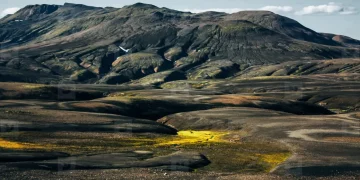
Hekla’s volcanic landscape is characterized by vast lava fields, craters, and stunning mountain scenery. The surrounding region is home to unique flora and fauna, including hardy mosses and alpine plants. Hekla is one of the most accessible volcanoes in Iceland, and visitors can hike to its summit to experience panoramic views of the surrounding landscape.
Cultural Significance of Hekla
Throughout Icelandic history, Hekla has been seen as a symbol of the gateway to Hell, due to its explosive eruptions and the biblical references in early Icelandic literature. However, its beauty and the dramatic landscapes around it make it a popular destination for tourists seeking adventure and natural wonders.
2.3 Katla: The Hidden Giant Underneath Mýrdalsjökull Glacier
Katla is one of Iceland’s most powerful and dangerous volcanoes, located beneath the Mýrdalsjökull Glacier in the southern part of the island. Katla’s eruptions are typically subglacial, meaning that they occur beneath the ice, which often leads to massive flooding as the ice melts during an eruption. The volcano is considered overdue for an eruption, though it remains dormant for the time being.
Mýrdalsjökull Glacier and Ice-Cave Adventures
The area surrounding Katla is home to stunning ice caves, which can be explored during the winter months. Visitors can also take guided glacier hikes and ice-climbing tours, making the region a popular destination for those seeking a combination of volcanic and glacial landscapes. The stark contrast between the volcanic terrain and the ice-covered glacier offers one of Iceland’s most breathtaking and surreal natural vistas.
Volcanic Eruptions and Environmental Impact
When Katla erupts, the effects are felt far beyond Iceland. Its eruptions can cause massive ash clouds, flooding, and disruption to local ecosystems. However, these eruptions also help fertilize the surrounding soil, leading to lush vegetation that thrives in the aftermath.
3. Geothermal Wonders: Geysers, Hot Springs, and Lava Fields
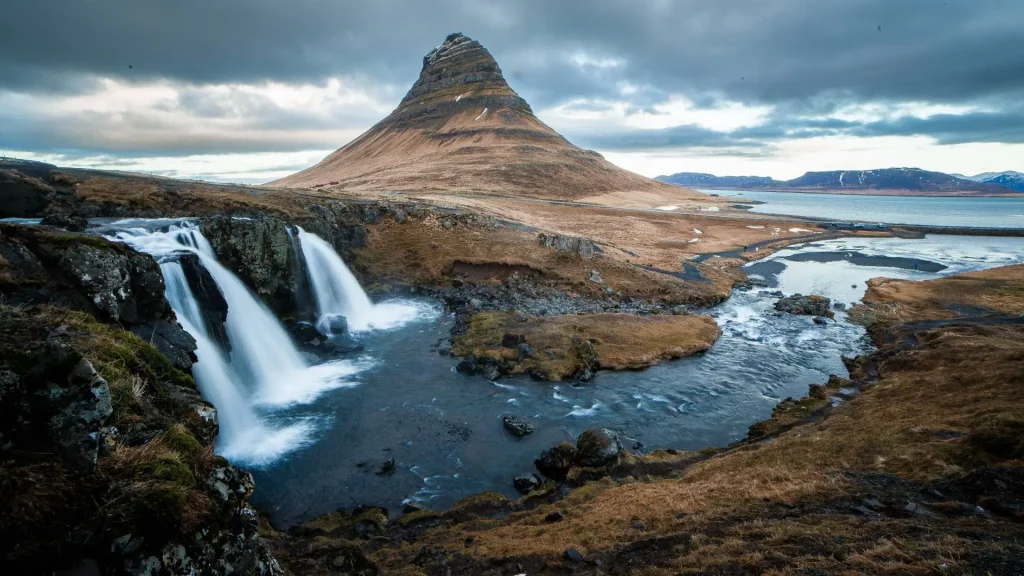
In addition to its volcanoes, Iceland is famous for its geothermal activity. The island’s abundant geothermal resources have been harnessed for centuries, with hot springs, geysers, and lava fields offering both natural beauty and practical benefits.
3.1 The Great Geysir: The Origin of the Geyser Name
The Great Geysir, located in the Golden Circle, is one of the world’s most famous geothermal features. The geyser’s eruptions are highly unpredictable, but when it does erupt, it sends boiling water and steam soaring into the air to heights of up to 70 meters. While the Great Geysir itself is not as active as it once was, nearby Strokkur regularly erupts every few minutes, providing visitors with a thrilling display of geothermal power.
The Geysir Geothermal Area
The Geysir geothermal area is home to several hot springs, fumaroles, and smaller geysers. The area is a popular tourist destination, where visitors can watch the eruptions, soak in hot springs, and explore the otherworldly landscape.
3.2 The Blue Lagoon: Iceland’s Most Famous Geothermal Spa
Perhaps the most famous geothermal location in Iceland, the Blue Lagoon is a hot spring spa set within a lava field. The waters are rich in silica, algae, and minerals, which are believed to have therapeutic properties. The Blue Lagoon’s otherworldly appearance, with its vibrant blue waters contrasting against the black lava rocks, makes it one of Iceland’s most iconic and photographed locations.
Health Benefits and Relaxation
Visitors to the Blue Lagoon can relax in the warm waters, enjoy spa treatments, and immerse themselves in the tranquil atmosphere of the lagoon. The geothermal waters are said to improve skin conditions like psoriasis, making it a popular destination for both wellness and relaxation.
4. Experiencing Iceland’s Volcanic Wonders: How to Visit and Explore
For travelers eager to experience Iceland’s volcanic landscapes, there are a variety of ways to explore the island’s geological wonders.
4.1 Hiking and Guided Tours
One of the best ways to explore Iceland’s volcanic regions is through hiking. Many volcanoes, including Hekla, Eyjafjallajökull, and Askja, offer hiking trails that take visitors close to the craters, lava fields, and other volcanic features. Guided tours provide expert insights into the geology, history, and cultural significance of each location.
4.2 Geothermal and Lava Tours
For those interested in geothermal activity, Iceland offers a variety of geothermal tours, including visits to active geysers, hot springs, and lava fields. Some tours even include lava caving, where visitors can explore the tunnels created by volcanic eruptions.
4.3 Helicopter Tours
Helicopter tours are a popular way to see Iceland’s volcanoes and geothermal areas from the air. These tours provide a bird’s-eye view of the island’s dramatic landscapes, including active volcanoes, lava fields, and glaciers.
Conclusion
Iceland’s volcanic landscapes are among the most spectacular and unique in the world. From the fiery eruptions of Eyjafjallajökull to the serene beauty of the Blue Lagoon, Iceland offers travelers an unparalleled opportunity to witness the raw power and beauty of the Earth’s geological forces. Whether you are an adventure seeker, a geology enthusiast, or simply someone who enjoys breathtaking natural landscapes, Iceland’s volcanic wonders provide an unforgettable experience that is truly one-of-a-kind.