









Introduction
In recent years, the world has witnessed a growing interest in survival challenges, many of which take place in some of the harshest environments on Earth. From the frozen tundra of the Arctic to the scorching heat of the desert, these challenges test not only physical endurance but also mental fortitude, resourcefulness, and adaptability. Participants are often forced to rely on their knowledge of survival techniques and the natural resources available in these unforgiving environments to stay alive.
Survival challenges in extreme conditions are more than just thrilling adventures; they are an opportunity to reconnect with basic human instincts and skills. They remind us of our dependence on the environment and our ability to adapt to the forces of nature. In this article, we will explore the concept of modern survival challenges, focusing on the diverse and often hostile environments in which these challenges take place. We will discuss the skills necessary for survival, the psychological aspect of these experiences, and the valuable lessons that participants learn from them.
1. The Psychology of Survival: Mental Strength and Adaptability
Survival in harsh environments is not just about physical endurance—mental toughness plays an equally crucial role. The ability to maintain a clear mind, adapt to constantly changing circumstances, and stay positive in the face of adversity is key to surviving in extreme conditions.
1.1 The Role of Fear and Stress in Survival
Fear and stress are natural responses to being placed in dangerous or unfamiliar situations. However, in a survival context, these emotions must be managed effectively to avoid panic. When faced with life-threatening challenges, participants must learn to control their fear and focus on the task at hand. This mental discipline allows them to make rational decisions, even in the most perilous of situations.
Survival experts often emphasize the importance of staying calm under pressure. Panic can lead to poor decision-making, which can ultimately compromise survival chances. Learning to manage fear and stress through breathing exercises, mindfulness, and mental conditioning is an essential aspect of survival training.
1.2 The Importance of a Survival Mindset
A survival mindset is one that prioritizes problem-solving, adaptability, and resilience. Participants in survival challenges must be able to assess their environment, identify resources, and formulate a plan for survival. They must also remain flexible, as conditions can change rapidly in harsh environments. The ability to embrace uncertainty, take calculated risks, and persevere when things go wrong is essential for success in survival situations.
Many survival experts stress that attitude is as important as skills. A positive, solution-oriented mindset can make the difference between life and death in extreme conditions. This mindset is often cultivated through experience, training, and exposure to stressful situations that challenge one’s mental and physical limits.
2. Harsh Environments for Survival Challenges
Survival challenges are often set in environments that push the human body and mind to their absolute limits. Each type of environment presents its own unique set of challenges, requiring participants to use different survival strategies and skills. Below, we explore some of the most extreme environments where survival challenges are set.
2.1 The Arctic and Sub-Arctic: Survival in Freezing Temperatures
The Arctic and sub-Arctic regions are among the harshest environments on Earth. With temperatures regularly dipping below freezing and the presence of unpredictable blizzards, survival in these conditions requires specialized skills. Participants must contend with the threat of hypothermia, frostbite, and the constant struggle for warmth.
Essential Skills for Arctic Survival
In the Arctic, the primary challenge is staying warm and dry. Participants must learn how to build shelters that protect them from the elements, such as snow caves or igloos. Fire-making skills are vital, as they provide warmth and a means of cooking food. Additionally, hunting, trapping, and foraging for food in a frozen landscape are essential for survival, as food sources are scarce.
Psychological Challenges
The isolation and harsh conditions in the Arctic can take a toll on mental health. Participants must contend with long periods of darkness, extreme cold, and the constant pressure of survival. To stay mentally strong, survivalists must cultivate a strong sense of purpose and stay focused on their goals. The ability to endure discomfort and persevere through adversity is crucial for surviving in the Arctic.
2.2 The Desert: Surviving Extreme Heat and Water Scarcity
Deserts are defined by their extreme heat and lack of water. The harsh conditions in deserts, such as the Sahara or the Australian Outback, make survival particularly challenging. With daytime temperatures reaching over 40°C (104°F) and limited access to water, participants must be resourceful and adaptable.
Finding Water in the Desert
Water is the most critical resource in the desert. Survivalists must learn to locate and purify water from natural sources, such as cactus plants or condensation. They must also know how to conserve water by regulating their activity levels and reducing sweat. Dehydration is a major risk in desert environments, and participants must be vigilant about their water intake to avoid life-threatening situations.
Managing Extreme Heat
Surviving in the desert requires understanding how to regulate body temperature. During the day, participants must avoid the scorching heat by seeking shade or creating shelters from the sun. At night, the temperature can drop dramatically, so keeping warm in the cold desert nights is another key challenge. Wearing protective clothing, covering exposed skin, and using natural resources to create shelter are essential survival strategies in the desert.
2.3 Tropical Rainforests: Overcoming Humidity and Diverse Wildlife
Tropical rainforests, such as the Amazon, present a unique set of survival challenges. The dense, humid environment is teeming with wildlife, some of which can be dangerous to humans. The abundance of plants and animals can be both a blessing and a curse, as many are either poisonous or difficult to identify.
Navigating the Jungle
In a rainforest survival situation, participants must know how to navigate dense vegetation without getting lost. They must also learn how to make traps, build shelters from materials like vines and leaves, and find food. Foraging for edible plants and insects is often necessary, but it requires an intimate knowledge of the environment and an ability to distinguish between safe and dangerous species.
Wildlife Threats
Rainforests are home to some of the most dangerous wildlife on the planet, including venomous snakes, insects, and large predators. Survivalists must be able to identify potential threats and take precautions to avoid encounters. Building a shelter that provides protection from animals, learning how to handle bites and stings, and maintaining awareness of one’s surroundings are critical in rainforest survival.
2.4 The Ocean: Surviving at Sea
Surviving at sea is one of the most intense forms of extreme survival, requiring participants to rely on their knowledge of the ocean’s vast resources. With unpredictable weather, powerful waves, and the ever-present danger of drowning, surviving on the open ocean presents unique challenges.
Water and Food at Sea
In ocean survival, finding drinkable water is the biggest challenge. While seawater is undrinkable, survivors must learn how to purify water using solar stills or rainwater collection techniques. Catching fish and using seaweed or other marine plants for food is also essential for survival.
Mental Resilience at Sea
Surviving at sea is not only physically demanding but mentally exhausting as well. The isolation and monotony can lead to feelings of despair, and the harsh conditions can take a psychological toll. Survivors must maintain mental strength by focusing on survival tasks, keeping a positive attitude, and using any available resources to stay connected with the outside world.
3. Survival Skills: Mastering Nature’s Resources
While each environment presents unique challenges, the fundamental survival skills remain similar across all types of extreme environments. In modern survival challenges, participants must become proficient in using natural resources to meet their basic needs: food, water, shelter, and warmth.
3.1 Fire Making: The Key to Warmth and Cooking
Fire is one of the most important survival tools in any environment. It provides warmth, a means to cook food, and a way to signal for help. Learning how to make fire in various conditions—whether with flint and steel, friction, or a magnifying glass—is essential. In cold environments, fire is critical for preventing hypothermia, while in the desert, it can be used for signaling and cooking food.
3.2 Water Sourcing and Purification
Water is the second most important resource in survival situations. Whether it’s from a stream in the rainforest or from condensation in the desert, knowing how to find and purify water is a life-saving skill. Techniques like boiling, filtering, or using natural distillation methods are essential for making water safe to drink.
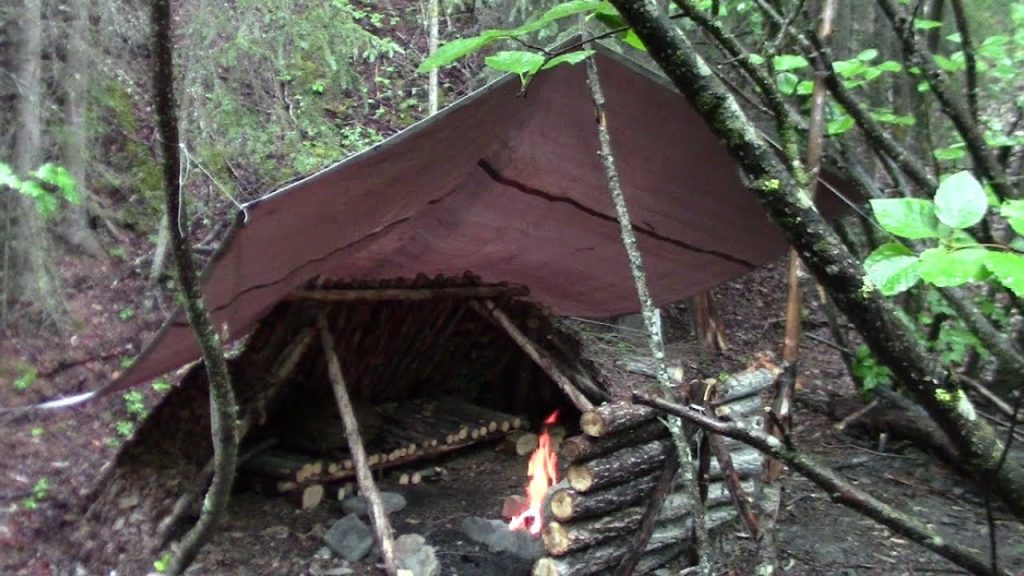
3.3 Shelter Building: Protecting from the Elements
A well-constructed shelter provides protection from the harsh elements, whether it’s the freezing temperatures of the Arctic or the burning sun of the desert. Participants in survival challenges must know how to build shelters using natural materials, such as branches, leaves, and rocks, and must understand how to use the terrain to their advantage.
Conclusion
Modern survival challenges set in harsh environments offer valuable lessons about human resilience, adaptability, and resourcefulness. Participants in these challenges must rely on their survival skills, mental toughness, and connection to nature in order to survive and thrive in extreme conditions. Whether it’s surviving the freezing cold of the Arctic or the blistering heat of the desert, the ability to use natural resources and stay calm under pressure can make the difference between life and death. These challenges not only test the limits of human endurance but also offer profound insights into the ways we interact with the natural world.