








Introduction: The Rise of Tech-Driven Travel Experiences
Traveling has always been part of the human experience, but in recent years, technology has revolutionized the way we travel. From smart hotels to contactless boarding and intelligent transportation systems, a suite of technological innovations has emerged to address long-standing pain points in the travel industry.
The result? Faster, safer, and more personalized travel experiences for both leisure and business travelers. These innovations not only reduce the friction associated with common travel hassles like long check-in lines and transportation delays but also pave the way for more sustainable and cost-efficient travel.
This article takes a deep dive into the cutting-edge technological innovations that are reshaping the travel experience, from the moment you book your trip until you return home. Let’s explore how smart hotels, seamless airport experiences, and smarter transportation systems are changing the landscape of modern travel.
1. Smart Hotels: Redefining the Accommodation Experience
Smart hotels are at the forefront of innovation in the travel industry. Leveraging the Internet of Things (IoT), artificial intelligence (AI), and automation, these hotels offer an entirely new level of guest experience and operational efficiency.
1.1 What Makes a Hotel “Smart”?
Smart hotels integrate digital technology to enhance both the guest experience and operational efficiency. These technologies allow for seamless interactions between guests and hotel services. Here are some key features that define a smart hotel:
- Voice-Activated Room Control: Many smart hotels use voice assistants like Amazon Alexa or Google Assistant to allow guests to control lighting, temperature, and entertainment options hands-free.
- Mobile Check-In & Digital Room Keys: Guests can check-in using a mobile app and bypass traditional front-desk processes. Digital room keys on smartphones also eliminate the need for physical key cards.
- AI-Powered Personalization: Hotels can now analyze past guest data to customize the stay, from room preferences to dining options and even activity recommendations.
- Smart Devices and Automation: Automated features like self-adjusting thermostats, smart TVs, and intelligent lighting systems help optimize guest comfort while conserving energy.
1.2 Benefits of Smart Hotels
- Convenience and Comfort: Guests can easily control their room environment, from lighting to entertainment, using their phones or voice commands.
- Enhanced Security: Mobile check-in and digital room keys increase security and reduce the chances of losing physical keys.
- Operational Efficiency: Automated systems optimize energy consumption, streamline housekeeping schedules, and provide real-time data for hotel management, reducing operational costs.
- Personalization: AI-driven recommendations enhance guest experiences by tailoring services to individual preferences.
1.3 The Future of Smart Hotels
Looking ahead, the future of smart hotels will involve even more advanced technologies like augmented reality (AR) and robotic assistance. Some hotels are already experimenting with robots for room service, luggage transport, and even guest concierge services, offering a glimpse of what the future might hold.
2. Contactless Travel: Streamlining Airport Processes
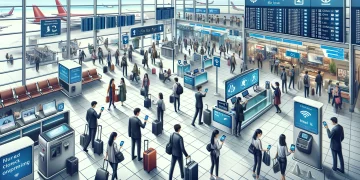
Airports have long been a bottleneck in the travel process, with passengers often facing long lines for check-in, security, and boarding. However, contactless travel technology is changing the way travelers move through airports.
2.1 The Rise of Biometric Security
Biometric security, particularly facial recognition and fingerprint scanning, has become an essential part of contactless travel. This technology allows passengers to pass through security and board flights without ever needing to present physical tickets or passports.
- Biometric Check-In and Boarding: Airlines like Delta and JetBlue are already using facial recognition technology to allow passengers to check in, go through security, and board their flights with minimal interaction. With the use of facial recognition, the system verifies the passenger’s identity by scanning their face at each checkpoint, streamlining the process significantly.
- Smart Security Gates: Many airports now feature biometric security gates that automatically authenticate a passenger’s identity without requiring a physical passport. These gates are not only more secure but also much faster than traditional methods.
2.2 Benefits of Contactless Travel
- Faster Check-In and Boarding: By eliminating the need to interact with human agents or handle physical boarding passes, passengers can move through airports more efficiently.
- Improved Security: Biometric technology is much harder to forge than traditional boarding passes or passports, which reduces the risk of fraud and identity theft.
- Health and Hygiene: Contactless solutions, especially in a post-pandemic world, reduce physical contact between passengers and airport staff, minimizing the potential for spreading germs.
2.3 The Future of Contactless Travel
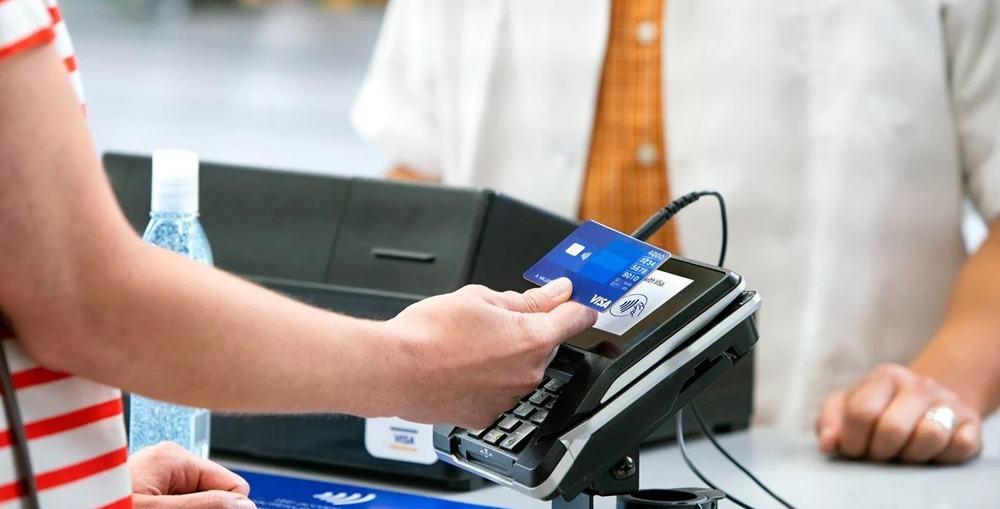
The future of airport technology will likely see end-to-end contactless experiences, where travelers use biometric data to check in, pass through security, and board flights seamlessly. Furthermore, digital wallets and mobile apps will continue to evolve, offering more personalized services, from in-flight purchases to baggage handling.
3. Intelligent Transportation Systems (ITS): Revolutionizing Urban Mobility
Urban transportation systems are often the most stressful part of the travel experience. Fortunately, Intelligent Transportation Systems (ITS) are improving efficiency by integrating data, communication networks, and IoT devices into the infrastructure of cities and transportation networks.
3.1 What are Intelligent Transportation Systems?
ITS uses technology to improve the efficiency of transportation networks. This includes everything from traffic management systems and real-time public transit updates to connected vehicles and ride-sharing services.
- Real-Time Traffic Management: IoT sensors embedded in roads help cities monitor traffic flow and adjust traffic lights in real-time to minimize congestion.
- Smart Public Transportation: Systems like real-time bus and train tracking allow commuters to see exactly when the next vehicle will arrive, making public transport more reliable.
- Autonomous Vehicles: Driverless cars, buses, and shuttles powered by ITS technologies are expected to transform the future of urban mobility, offering safer and more efficient transportation options.
3.2 Benefits of Intelligent Transportation Systems
- Reduced Congestion: By optimizing traffic flow and directing vehicles to less congested routes, ITS helps reduce delays for travelers.
- Increased Safety: ITS technologies can help prevent accidents by monitoring traffic patterns and alerting drivers about potential hazards, such as accidents or road conditions.
- Sustainability: Smart transportation solutions, such as electric vehicles and ride-sharing, help reduce emissions and encourage more sustainable forms of travel.
3.3 The Future of ITS
As cities continue to grow, ITS technologies will become more integrated. Autonomous vehicles and smart city infrastructure will further streamline transportation systems. Additionally, the internet of vehicles (IoV) — a network of connected vehicles that can communicate with each other and with road infrastructure — will likely transform how we think about mobility in urban spaces.
4. The Intersection of Technologies: Creating a Seamless Travel Experience
While each of these technological innovations — smart hotels, biometric boarding, and intelligent transportation systems — is impressive on its own, the real magic happens when they work together to create a seamless travel experience.
4.1 End-to-End Integration of Travel Services
The integration of technology across different stages of the travel journey is key to reducing friction and enhancing convenience. For example:
- Booking and Personalization: Travelers can use apps to book flights, hotels, and transportation, with all services linked and personalized based on their preferences.
- Smooth Airport Transition: As travelers arrive at the airport, they can check in using biometric systems, pass through security, and board their flight without touching a single piece of paper.
- Streamlined Ground Transportation: After landing, intelligent transportation systems will direct passengers to available rides or public transport, ensuring a seamless transition to their final destination.
4.2 Data-Driven Travel: The Role of AI and IoT
The backbone of this seamless travel experience is data. IoT devices, sensors, and AI algorithms collect and analyze vast amounts of data in real time. This enables better decision-making, predictive travel planning, and more personalized experiences for travelers.
- Personalized Recommendations: Based on past travel data, AI can recommend dining options, activities, or even local attractions that a traveler might enjoy, based on their preferences.
- Dynamic Resource Allocation: Hotels, airports, and transport systems can use AI to predict demand, optimize staffing levels, and adjust operations in real-time, creating a more efficient travel experience for all.
4.3 The Future: Fully Connected Smart Travel Ecosystems
The future of travel is one where smart technologies are not just used in isolation but are integrated into a fully connected ecosystem. From the moment a traveler books their trip to when they return home, all aspects of the journey — accommodation, airport procedures, ground transportation, and even local activities — will be seamlessly connected and optimized in real-time.
This connected ecosystem will not only improve efficiency but will also make travel safer, more comfortable, and more enjoyable. In addition, sustainability will be a core principle, with technologies designed to reduce environmental impacts, from electric vehicles and green buildings to optimized energy consumption and waste reduction.
5. Challenges and Considerations
While the benefits of these innovations are clear, there are also challenges and considerations that need to be addressed:
5.1 Data Privacy and Security
The collection of vast amounts of personal data through biometric systems, IoT devices, and AI poses significant privacy and security concerns. Governments, industries, and tech companies must ensure that this data is protected from cyber threats and misuse.
5.2 Technological Barriers
While major airports and hotels are adopting these technologies, many smaller or regional players may lack the resources or infrastructure to implement them. Bridging the digital divide will be crucial for ensuring that these innovations are accessible to all travelers.
5.3 Inclusivity and Accessibility
Smart technologies must be designed with all types of travelers in mind. Ensuring that travelers with disabilities or those unfamiliar with digital tools can still easily navigate the travel experience will be key to the widespread adoption of these systems.
Conclusion: A More Efficient, Seamless Future for Travel
The future of travel is undoubtedly becoming more efficient, seamless, and enjoyable thanks to technological innovations. From smart hotels offering personalized experiences to intelligent transportation systems optimizing urban mobility, technology is transforming the travel industry in ways that were once unimaginable.
By continuing to integrate these technologies across all stages of the travel journey, we can create a travel ecosystem that is not only more efficient but also safer, more sustainable, and better suited to the needs of modern travelers.
As the industry continues to evolve, travelers can expect an experience where the friction of travel becomes a thing of the past, and the entire journey — from booking to arriving at the destination — becomes as smooth and enjoyable as the destination itself.