








Introduction: Revolutionizing the Hotel Experience with Mobile Apps
In the fast-paced world of modern travel, time is of the essence. For travelers, the hotel check-in and check-out process—often marked by long queues and waiting times—can quickly become a frustrating part of the journey. However, with the advent of mobile applications and technological advancements, the traditional process of hotel check-in and check-out is undergoing a dramatic transformation.
The integration of mobile apps into the hotel industry has paved the way for automated check-ins and check-outs, significantly improving the overall guest experience. Travelers can now bypass long queues, avoid unnecessary physical interactions, and enjoy a seamless, contactless experience from the moment they arrive until their departure.
This article will explore how mobile applications are enabling automation in the hotel industry, their benefits, challenges, and the future of mobile-driven hospitality. By the end of this article, you’ll have a clear understanding of how these technologies are reducing wait times and enhancing operational efficiency.
1. The Evolution of Hotel Check-In and Check-Out Processes
1.1 Traditional Check-In and Check-Out: The Long Wait
In the past, check-in and check-out at hotels were often time-consuming processes, involving paperwork, key cards, and long lines at the front desk. For guests, this meant waiting in queues, filling out forms, and often dealing with an impersonal process that detracted from the overall experience.
- The Check-In Process: Upon arrival, guests typically waited in line at the reception to provide identification, credit card details, and reservation information. After processing, they were handed a physical key card and directed to their room.
- The Check-Out Process: At check-out, travelers had to return to the front desk, often at the crack of dawn or in the middle of their departure rush, to hand over their keys, settle their bills, and finalize any additional charges. This process, while straightforward, was time-consuming and prone to errors.
1.2 The Impact of Traditional Check-In and Check-Out on Guest Satisfaction
For both business and leisure travelers, long wait times at check-in and check-out are one of the biggest sources of frustration. Research has shown that waiting in line for more than five minutes can negatively impact a guest’s perception of the hotel. In the highly competitive hospitality industry, where guest satisfaction is paramount, reducing these friction points has become a major focus for many hotels.
2. The Rise of Mobile Apps in Hospitality
Mobile technology has significantly reshaped various industries, and hospitality is no exception. The advent of smartphones has enabled hoteliers to enhance their services, streamline operations, and improve customer experiences through mobile apps.
2.1 Mobile Apps: A Game Changer for Hotel Guests
Mobile apps have rapidly become an integral part of the modern hotel experience. Many major hotel chains now offer apps that allow guests to:
- Book Rooms and Make Reservations
- Check-In and Check-Out
- Control Room Settings (temperature, lighting, etc.)
- Access Hotel Services (room service, concierge, etc.)
This shift toward mobile-driven services has transformed how guests interact with hotels, and has provided a much-needed solution to the often-frustrating check-in and check-out process.
2.2 The Technology Behind Mobile-Driven Check-In and Check-Out
The core technology that enables mobile check-in and check-out lies in cloud computing, real-time data synchronization, and secure digital authentication. Here’s how it works:
- Mobile Check-In: Upon booking, guests can check-in through the hotel’s mobile app. The app connects to the hotel’s Property Management System (PMS), where the reservation details are stored. After guest authentication (via mobile number or email), the app allows the guest to complete check-in and make any necessary requests for their stay (room preferences, special accommodations, etc.).
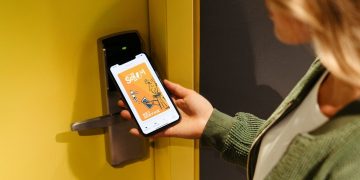
- Digital Key: Once the guest is checked in, they receive a digital key through the mobile app, allowing them to bypass the front desk entirely and proceed straight to their room. The digital key uses Bluetooth or NFC technology to unlock the hotel door.
- Mobile Check-Out: On the day of departure, guests can review their bills, settle payments, and even request late check-outs directly through the app. No need to visit the front desk; the app automatically checks them out once their bill is settled.

3. Key Benefits of Mobile-Driven Check-In and Check-Out
The benefits of implementing mobile apps for automated check-in and check-out are vast, not only for guests but also for hotel operators. Here’s a breakdown of the primary advantages:
3.1 For Guests: Enhanced Convenience and Comfort
- Time Savings: The most significant advantage of mobile check-in and check-out is the amount of time it saves. Guests no longer have to wait in long queues at the reception desk. This is particularly beneficial for business travelers with tight schedules or those arriving at hotels late at night.
- Contactless Experience: In the post-pandemic world, the demand for contactless services has surged. Mobile check-in and check-out eliminate the need for physical interactions, reducing the risk of virus transmission and enhancing health and safety protocols.
- Personalized Experience: Mobile apps allow guests to customize their stays more easily. From choosing room preferences to selecting services (e.g., room service, housekeeping requests), everything can be done through the app, enhancing personalization and guest satisfaction.
3.2 For Hotels: Improved Efficiency and Cost Reduction
- Reduced Operational Costs: By automating the check-in and check-out process, hotels can reduce the need for front desk staff, leading to cost savings. Employees can be reassigned to more value-added tasks, such as concierge services or guest interaction.
- Faster Turnover and Higher Room Utilization: With mobile check-ins, guests can arrive anytime without waiting for a manual check-in process. Similarly, faster check-out procedures allow hotels to process guests efficiently and quickly prepare rooms for new arrivals.
- Streamlined Guest Data Collection: Mobile apps provide hotels with detailed, real-time data about guest preferences and behaviors. This allows for better understanding and anticipation of guest needs, improving overall service quality.
3.3 For the Industry: A Competitive Edge
Hotels that adopt mobile app-based check-in and check-out systems have a distinct competitive edge. With more travelers seeking streamlined and hassle-free experiences, properties offering these services attract tech-savvy guests who value efficiency and convenience. In an increasingly crowded market, these innovations can differentiate one hotel from another.
4. Overcoming Challenges in Implementing Mobile Check-In and Check-Out
While the benefits of mobile-driven check-in and check-out systems are clear, the implementation of such technology is not without its challenges. Here are some key obstacles hotels may face:
4.1 Technology Integration
Integrating mobile check-in and check-out systems with existing Property Management Systems (PMS), security protocols, and booking engines can be complex and costly. Many older hotels may need to upgrade their infrastructure to accommodate these new technologies.
4.2 User Adoption and Digital Literacy
Although mobile apps are widely used, not all guests are comfortable with digital technology. Older travelers or those who are less tech-savvy may find mobile check-ins and check-outs intimidating or confusing. Therefore, it’s essential for hotels to provide clear instructions and alternative check-in options when necessary.
4.3 Security and Privacy Concerns
With the rise of mobile technology, concerns about data security and privacy are also prevalent. Guests need to feel assured that their personal information and payment details are protected. Hotels must implement strong security measures, such as encryption and multi-factor authentication, to ensure that guest data is safe.
5. The Future of Mobile Check-In and Check-Out in Hospitality
As technology continues to evolve, so too will the capabilities of mobile-driven hotel check-ins and check-outs. Here’s a glimpse into the future of this space:
5.1 Further Personalization Through AI and Data Analytics
The future of mobile apps in hospitality will likely involve artificial intelligence (AI) and machine learning to offer even more personalized experiences. AI could predict guest preferences based on past stays, offering tailored recommendations for services, activities, and amenities.
5.2 Seamless Integration with Other Services
Mobile apps will become more integrated with other aspects of travel, such as transportation, restaurant reservations, and local experiences. Imagine being able to book your flight, reserve a taxi to the hotel, check-in via your app, and even schedule activities—all from one platform.
5.3 Enhanced Smart Rooms
The future of hotel rooms will see even greater integration with mobile apps, turning rooms into smart spaces that respond to guest preferences. From adjusting room lighting and temperature to controlling the TV or even ordering room service, everything could be done via the app.
6. Conclusion: A New Era in Hospitality
Automated check-in and check-out via mobile apps are not just trends—they are the future of the hospitality industry. These innovations are reducing wait times, enhancing guest satisfaction, and improving operational efficiency. As more hotels adopt these technologies, travelers can expect an increasingly seamless and personalized hotel experience.
As technology continues to evolve, so too will the way we interact with the hospitality industry. For both guests and hotels, embracing these innovations promises a future where travel is not only more efficient but also more enjoyable.