







Introduction: The Rebirth of Road Trips and Slow Travel
In an age dominated by fast-paced tourism, where travelers often seek to check off as many destinations as possible, a new movement is emerging—one that prioritizes slow travel and road trips. These travel styles focus on immersing oneself in the journey itself, slowing down, and experiencing the world at a more relaxed, intentional pace.
Gone are the days of rushing from one tourist attraction to the next. Today’s travelers are more interested in authentic experiences, sustainable tourism, and the freedom to explore at their own pace. The combination of self-driving tours and the slow travel philosophy has led to a resurgence in road trips as a preferred method of exploration.
This article will explore why road trips and slow travel have gained immense popularity, the benefits of these travel styles, and the best destinations and tips for travelers looking to embrace this trend.
1. Defining Road Trips and Slow Travel
1.1 Road Trips: The Freedom of the Open Road
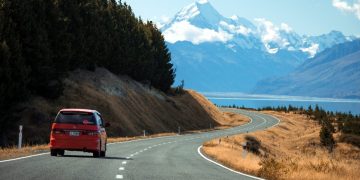
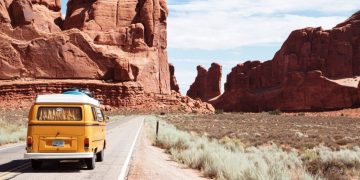
A road trip is an exciting way to travel by car, van, or RV, allowing complete flexibility and autonomy over the journey. The appeal of a road trip lies in the freedom to explore at one’s own pace. Unlike traditional travel, where the focus is on getting to the destination as quickly as possible, road trips are centered around the journey itself. Travelers can stop at unexpected places, explore small towns, scenic spots, and enjoy the serenity of the open road.
Characteristics of Road Trips:
- Freedom: No fixed schedule or routes, allowing for spontaneous detours.
- Local Exploration: The opportunity to discover hidden gems that are often bypassed by mass tourism.
- Varied Experiences: A road trip can take you from mountains to coastlines, from forests to deserts, offering a variety of environments and cultures within one journey.
1.2 Slow Travel: A More Intentional Approach
Slow travel is about embracing a slower, more mindful approach to travel. The focus is on experiencing the local culture, savoring the moments, and spending time in fewer destinations. The goal is not to rush through multiple cities or countries but to fully engage with the places you visit.
Key Aspects of Slow Travel:
- Extended Stays: Instead of hopping from one destination to the next, slow travelers spend more time in each place.
- Local Immersion: Slow travel emphasizes engaging with local communities, learning about the culture, and forming deeper connections.
- Sustainability: With the growing concern for the environment, slow travel often aligns with eco-friendly practices, such as using public transport, staying in eco-conscious accommodations, and supporting local businesses.
Together, road trips and slow travel offer a personalized, enriching experience that highlights the joy of discovery, connection, and sustainability.
2. Why Road Trips and Slow Travel Are Gaining Popularity
2.1 The Appeal of Flexibility
The primary appeal of both road trips and slow travel lies in the flexibility they provide. Modern travelers are no longer bound by strict itineraries or schedules. With road trips, the flexibility is especially pronounced as travelers can choose when and where to stop, whether it’s a small roadside café or an overlooked historical landmark. Similarly, slow travel allows individuals to choose how long they want to stay in each place, whether that’s a week in a quiet village or a month exploring a cultural capital.
2.2 A Response to Mass Tourism
Overcrowding at famous tourist sites has become a significant issue in recent years. Cities like Venice, Barcelona, and Kyoto are struggling with the pressure of mass tourism, which often leads to overcrowded streets, environmental degradation, and loss of authenticity. Slow travel and road trips offer an alternative by encouraging travelers to explore lesser-known regions, avoid peak tourist season, and seek out authentic experiences in more remote or under-explored areas.
By focusing on quality over quantity, road trips and slow travel offer an escape from the over-commercialized, overcrowded tourist hotspots, promoting a more sustainable and responsible form of tourism.
2.3 A Desire for Authenticity and Local Experiences
The desire to experience a place authentically has driven many travelers to seek out opportunities to connect with local cultures, traditions, and people. Rather than visiting a destination just to see the major landmarks, road trips and slow travel emphasize immersing oneself in the daily life of a place. Whether it’s enjoying a homemade meal with locals, staying in small, family-run accommodations, or participating in community-based tourism activities, these travel styles allow individuals to experience destinations in a deeper, more meaningful way.
2.4 Mental Well-Being and Stress Relief
In an era of high stress and fast-paced living, slow travel offers a much-needed respite. By eliminating the pressure to rush through multiple cities, slow travel allows for deeper relaxation and reflection. Similarly, the flexibility of road trips offers travelers the ability to take breaks when needed, reducing the anxiety often associated with time constraints and crowded destinations.
Studies have shown that spending time in nature, especially while engaging in low-stress activities like hiking or simply driving through scenic landscapes, can significantly reduce anxiety and improve overall mental health. Road trips and slow travel provide a perfect outlet for this.
3. The Benefits of Road Trips and Slow Travel
3.1 Greater Connection to Nature
One of the greatest appeals of road trips is the opportunity to explore some of the world’s most beautiful landscapes at a leisurely pace. Whether it’s driving along the Pacific Coast Highway in California, the Garden Route in South Africa, or through the Swiss Alps, road trips offer unparalleled access to nature. Many of these scenic routes pass through national parks, forests, and other protected areas, providing travelers with a chance to connect with the natural world in a way that mass tourism doesn’t allow.
Slow travel, especially when focused on rural areas, encourages travelers to immerse themselves in nature. Spending longer periods in one location means you have the time to explore nearby parks, mountains, or beaches, and truly appreciate the natural surroundings.
3.2 Reduced Stress and a More Relaxed Travel Pace
With road trips and slow travel, there’s no need to worry about tight schedules or long lines at airports. The focus shifts to enjoying the experience rather than rushing to the next destination. This slower pace of travel promotes mindfulness and mental clarity, allowing individuals to unplug, unwind, and reset their minds and bodies.
3.3 Cultural Immersion
Both road trips and slow travel offer ample opportunities for cultural immersion. Whether it’s visiting a remote village and learning about local traditions or exploring the back streets of a bustling city, these travel styles allow travelers to engage more deeply with the places they visit. Road trips offer spontaneous opportunities to discover small towns and hidden gems off the beaten path, while slow travel allows for more time to form relationships with locals, dive into local cuisine, and learn about the history and culture of a place.
3.4 Environmental Impact and Sustainability
Slow travel is inherently eco-friendly. By spending more time in fewer locations, slow travelers reduce their overall carbon footprint and encourage more sustainable tourism practices. Additionally, travelers often choose eco-conscious accommodations, utilize public transport, or engage in walking or cycling activities, all of which contribute to a more sustainable way of traveling.
For road trips, using hybrid or electric vehicles further enhances the environmental benefits of this travel style. By selecting fuel-efficient vehicles and planning routes to minimize carbon emissions, road trip enthusiasts can ensure their travel experience is as sustainable as possible.

4. The Best Destinations for Road Trips and Slow Travel
4.1 Best Scenic Road Trips Around the World
Here are some of the world’s best road trip routes that perfectly exemplify the appeal of self-guided exploration:
- Pacific Coast Highway (USA): A famous road trip that stretches along California’s coastline, offering dramatic views of the Pacific Ocean, cliffs, and the iconic Big Sur region.
- The Garden Route (South Africa): A coastal route that passes through lush forests, beaches, and charming towns like Knysna and Plettenberg Bay.
- The Great Ocean Road (Australia): Known for its stunning ocean views and rock formations, such as the Twelve Apostles, this route is a must for nature lovers.
- Route 66 (USA): An iconic American road trip that spans from Chicago to Santa Monica, providing a nostalgic journey through small towns, diners, and historic landmarks.
- Norway’s Atlantic Road: A remarkable coastal drive that connects islands via a series of bridges, offering awe-inspiring views of the North Sea.
4.2 Popular Slow Travel Destinations
Some destinations are especially suited for slow travel due to their rich cultural offerings and slower pace of life:
- Tuscany, Italy: Known for its rolling hills, vineyards, and charming towns like Florence and Siena, Tuscany offers the perfect backdrop for slow travel.
- Kyoto, Japan: A city steeped in history, where travelers can explore ancient temples, tranquil gardens, and traditional tea houses at their own pace.
- Mendoza, Argentina: Famous for its wine production, Mendoza provides an opportunity to slow down, visit vineyards, and enjoy local wine-tasting experiences.
- The Scottish Highlands: With its remote castles, vast landscapes, and small villages, the Highlands offer an ideal setting for slow exploration.
5. How to Plan a Road Trip or Slow Travel Journey
5.1 Plan but Stay Flexible
While it’s essential to have a rough itinerary, the key to a successful road trip or slow travel experience is flexibility. Don’t be afraid to alter your plans based on recommendations from locals or new places you discover along the way.
5.2 Pack Light and Be Prepared
For road trips, packing efficiently is crucial. Bring comfortable clothes, travel essentials, and snacks for long drives. A reliable GPS or offline maps can help ensure you don’t get lost in remote areas.
5.3 Engage with Locals
The best way to experience slow travel is by engaging with local communities. Try local foods, visit craft markets, and engage in cultural activities to get a deeper understanding of the place you are visiting.
5.4 Make Sustainable Choices
Prioritize eco-friendly accommodations, transport, and activities. Be mindful of your environmental impact, especially if you’re traveling by car. Choose green-certified hotels, use public transportation, and support local businesses that emphasize sustainability.
Conclusion: A Trend for the Future
As the world becomes more connected, the demand for authentic, sustainable, and personalized travel experiences continues to grow. Road trips and slow travel are not just trends—they represent a shift in how we view travel itself. They encourage us to reconnect with nature, immerse ourselves in local cultures, and embrace the journey rather than the destination.
For travelers seeking something beyond the typical tourist experience, road trips and slow travel offer an unparalleled way to explore the world at their own pace, fostering deeper connections, greater understanding, and lasting memories.