








Introduction: The Timeless Wonders of Ancient Egypt
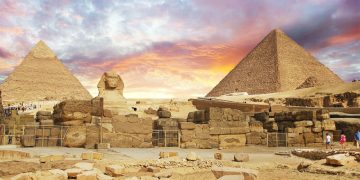
The Pyramids of Giza and the Great Sphinx are some of the most iconic structures in the world, symbolizing the grandeur and mystery of Ancient Egyptian civilization. Located on the outskirts of Cairo, Egypt, these monuments have fascinated historians, archaeologists, and tourists alike for millennia. They stand as enduring testaments to the ingenuity, power, and cultural richness of one of the world’s oldest civilizations.
For centuries, these monumental structures have attracted millions of visitors, each drawn to the mystique and splendor of ancient Egypt. Whether admired for their sheer architectural brilliance, their historical significance, or their connection to one of the world’s greatest cultures, the pyramids and the Sphinx continue to inspire awe and wonder.
This article delves into the historical, cultural, and architectural significance of the Pyramids of Giza and the Great Sphinx, exploring their role in ancient Egyptian society, the ongoing fascination they generate, and how they continue to shape the modern tourist experience in Egypt.
1. The Great Pyramids of Giza: Architectural Marvels of the Ancient World
1.1 The Origins and Purpose of the Pyramids
The Pyramids of Giza are located on the Giza Plateau, just outside of Cairo. The complex consists of three main pyramids, each serving as the tomb of a pharaoh from the Fourth Dynasty of the Old Kingdom of Egypt. These monumental structures were built over 4,500 years ago, making them some of the oldest and most remarkable constructions in human history.
The Great Pyramid, also known as the Pyramid of Khufu (or Cheops), is the largest and most famous of the three pyramids. It was originally constructed as the final resting place for Pharaoh Khufu, the second pharaoh of the Fourth Dynasty. The pyramid was originally covered in smooth limestone casing, which has since been removed, leaving the rough core visible today.
The two other pyramids, built for Khufu’s successors, Pharaoh Khafre and Menkaure, are slightly smaller in size but equally impressive. The Pyramids of Giza were constructed to reflect the Egyptians’ belief in the afterlife, where pharaohs were thought to become gods after death. The grandeur of these tombs symbolized the divine status of the rulers and was designed to help them ascend to the heavens.
1.2 The Architecture of the Pyramids
The construction of the pyramids required extraordinary engineering skills, an immense workforce, and a profound understanding of mathematics and astronomy. The Great Pyramid of Khufu, originally standing at 481 feet (146 meters), was the tallest man-made structure in the world for over 3,800 years.
The design of the pyramid is based on a precise mathematical ratio, with the base forming a square and the sides sloping at a precise angle to form a perfect pyramid. The alignment of the pyramids is also noteworthy, as they are aligned with the cardinal points of the compass, demonstrating the Egyptians’ sophisticated understanding of astronomy.
The construction methods used to build these immense structures remain the subject of much debate. While the exact techniques are still not fully understood, it is believed that the pyramids were constructed using a combination of ramps, rollers, and levers to move the massive stone blocks into place. The construction of the Great Pyramid alone is estimated to have involved 2.3 million limestone blocks, each weighing an average of 2.5 tons.
1.3 The Mystery of the Pyramids
Despite being extensively studied for centuries, the construction techniques and the exact methods of building the pyramids continue to be a source of mystery and intrigue. Archaeologists have proposed various theories over the years, but no single explanation has been universally accepted.
One of the most enduring questions is how the ancient Egyptians managed to transport and position the massive stone blocks. Some theories suggest that a system of ramps was used to move the stones into place, while others propose that the blocks were dragged using sledges or rolled across logs.
There are also debates about the role of the pyramids in Egyptian society and whether their construction was purely a religious and funerary endeavor, or if they had other symbolic or cultural significance. Regardless of these mysteries, the sheer scale and precision of the pyramids make them one of the greatest achievements in human history.
2. The Great Sphinx: A Symbol of Strength and Mystique
2.1 The Origins and Purpose of the Sphinx
Standing guard near the pyramids is the Great Sphinx, a massive limestone statue that has captivated the imagination of visitors for centuries. The Sphinx is a mythical creature, typically depicted with the body of a lion and the head of a human. In Egypt, the Sphinx is associated with the god Horus, often depicted as a falcon-headed god who was believed to protect the pharaohs.
The Great Sphinx of Giza is the largest monolithic statue in the world, measuring approximately 240 feet (73 meters) in length and 66 feet (20 meters) in height. The statue is thought to have been carved during the reign of Pharaoh Khafre, the builder of the second-largest pyramid at Giza. However, there are some theories that suggest the Sphinx may be much older, potentially dating back to the earlier dynasties of Egypt.
2.2 The Purpose of the Sphinx
The exact purpose of the Sphinx is still a subject of debate among scholars. Some believe that it was intended as a symbol of royal power and protection for the pyramids. Others propose that the Sphinx was created to represent the sun god Ra-Horakhty, linking it to Egyptian cosmology and religion. The Sphinx is often seen as an emblem of divine strength, standing watch over the pharaohs’ tombs and ensuring their protection in the afterlife.
The Sphinx also seems to have a symbolic relationship with the sun’s journey across the sky, as it faces directly east, aligning with the sunrise on the equinox. This celestial connection emphasizes the Sphinx’s role in Egyptian religious practices and its importance in the cosmic order.
2.3 The Mysteries of the Sphinx
Over the centuries, the Great Sphinx has undergone significant erosion and damage, primarily due to natural forces such as wind and sand. The nose of the Sphinx, for example, was famously damaged and has been missing since at least the 16th century. The reasons for this destruction are unknown, though there are various theories, ranging from deliberate defacement during religious iconoclasm to natural wear over time.
One of the most enduring mysteries surrounding the Sphinx is its hidden chambers. Some archaeologists believe there may be undiscovered rooms beneath the statue that could contain valuable artifacts or further insight into the history of ancient Egypt. Various attempts have been made to explore these chambers, but none have yielded definitive results.
3. The Cultural and Historical Significance of the Pyramids and Sphinx
3.1 The Role of the Pyramids and Sphinx in Ancient Egyptian Society
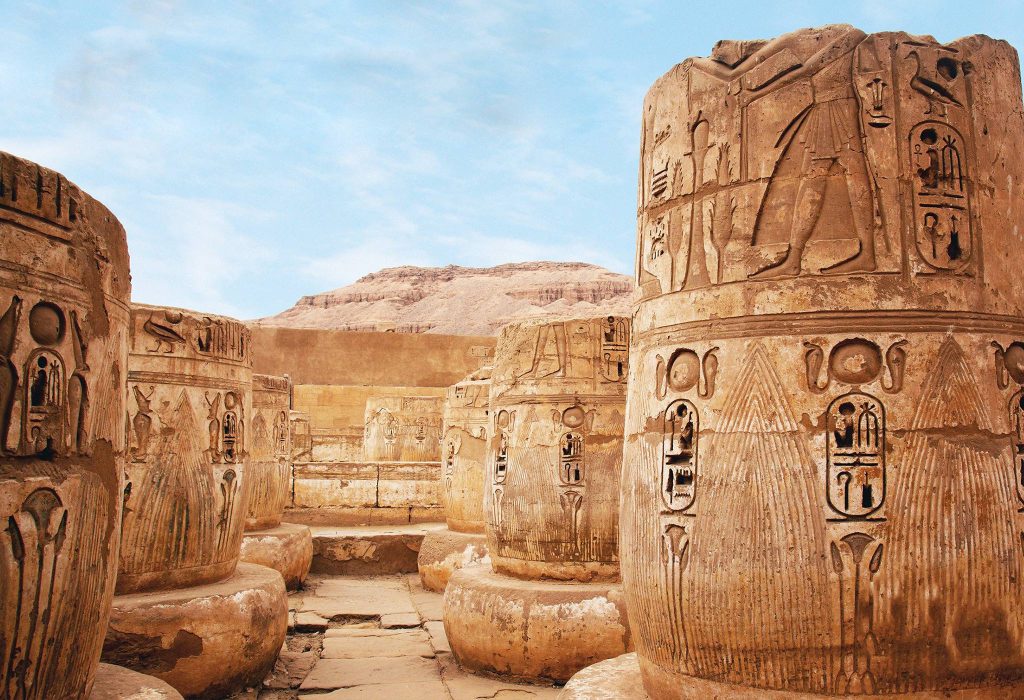
The pyramids and the Sphinx were not only monumental architectural feats but also central to the religious and political life of ancient Egypt. The pharaohs, as the living gods of Egypt, believed they would join the gods in the afterlife, where their souls would be immortal. The pyramids were designed to be resplendent tombs, filled with treasures, artifacts, and offerings to ensure a successful journey to the next life.
The Sphinx, as a symbol of divine protection, was an essential part of this belief system, standing as a guardian over the tombs and the pharaoh’s eternal soul.
3.2 The Influence on Modern Culture
The pyramids and the Sphinx have long been a source of cultural inspiration. Their mystical qualities have been immortalized in art, literature, and film, from the works of Herodotus, the ancient Greek historian who described the pyramids in his writings, to modern depictions in films such as The Mummy and documentaries exploring Egypt’s ancient history.
In addition, the mystery and grandeur of the pyramids have also played a role in shaping the modern fascination with Egyptology. Today, Egyptologists continue to study the ancient structures, attempting to uncover the secrets behind their construction and the culture that built them.
4. Tourism and the Pyramids: An Enduring Attraction
4.1 The Pyramids and Sphinx as Tourist Destinations
The Pyramids of Giza and the Sphinx continue to be top tourist attractions, drawing millions of visitors from around the world. Travelers come to see these ancient wonders firsthand, marveling at their sheer scale and mystery. The site is part of a larger UNESCO World Heritage area, reflecting its global cultural importance.
Tourism to the Giza Plateau has not only become a major source of income for Egypt but has also allowed for the preservation and conservation of the monuments. In recent years, there have been efforts to protect the monuments from environmental damage, such as the installation of barriers to reduce the impact of urban development and pollution on the site.
4.2 The Future of the Pyramids and Sphinx
As the world continues to change, the Pyramids of Giza and the Great Sphinx remain as constant symbols of ancient Egyptian greatness. While the monuments face challenges from climate change, tourism pressures, and urbanization, efforts to preserve and protect these wonders are underway, ensuring that future generations will be able to experience their magnificence.
Conclusion: The Enduring Legacy of the Pyramids and the Sphinx
The Pyramids of Giza and the Great Sphinx are much more than just stone structures; they are testaments to human ingenuity, religious devotion, and the grandeur of one of the world’s oldest civilizations. As symbols of Ancient Egypt, they continue to inspire awe, wonder, and exploration, captivating millions of visitors every year.
Their mysteries, grandeur, and timeless beauty are a reminder of the importance of preserving our cultural heritage and the enduring power of the ancient world. Whether as archaeological wonders, cultural icons, or symbols of human achievement, the Pyramids and the Sphinx remain central to the identity of Egypt and its role in shaping human history.