








Introduction: The Timeless Charm of Venice
Venice, the floating city of Italy, is a destination unlike any other. With its intricate network of canals, historic buildings, and artistic legacy, it continues to captivate travelers from around the world. Famous for its gondola rides, Piazza San Marco, and timeless architecture, Venice is often regarded as one of the most romantic and photogenic cities on the planet.
The city of canals has long been a center of culture, art, and history, and over the centuries, its architectural masterpieces and stunning waterways have become synonymous with Italian elegance. Venice offers a one-of-a-kind travel experience that seamlessly combines the beauty of nature, human creativity, and ancient traditions. From its grand palaces to the serene canals, every corner of Venice tells a unique story.
This article will explore the enchanting canals, historic architecture, and the distinct culture of Venice, shedding light on why this water city continues to allure millions of visitors each year. It will also examine its historical significance, modern-day challenges, and the steps taken to preserve this world-renowned city for future generations.
1. The Unique Geography and Canals of Venice
1.1 The Birth of Venice: A City on Water
Venice is often described as a city on water, and for good reason. The entire city is built on an archipelago of 118 small islands in the Venetian Lagoon, situated in the northeastern part of Italy. The islands are connected by a network of over 400 bridges, with the canals serving as the main streets of the city. This remarkable geography has given Venice a unique and unmistakable character, where boats serve as the primary mode of transportation.
The origins of Venice date back to the 5th century AD, when refugees fled to the lagoon to escape invasions from Germanic tribes. The early Venetians built their homes on wooden platforms, eventually constructing the city’s iconic canals and structures that have become a global symbol of innovation and adaptability.
1.2 The Canals: Venice’s Waterways
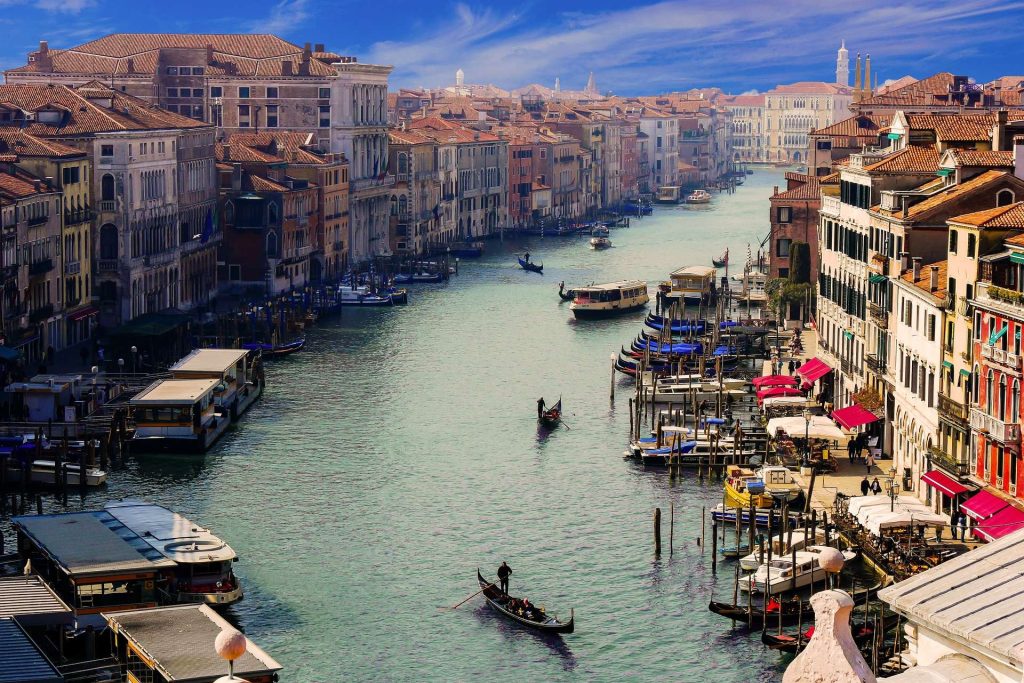
The canals of Venice are perhaps the most famous aspect of the city. They are not just picturesque waterways, but rather a functional system that has sustained the city for centuries. There are four main canals in Venice, with the most significant being the Grand Canal, which serves as the primary thoroughfare and is lined with historic palaces and churches. The Grand Canal runs in a reverse S-shape through the city and spans approximately 3.8 kilometers. It is not only a key transportation route but also an iconic element of the cityscape, providing a stunning view of Venice’s history and architectural evolution.
Aside from the Grand Canal, there are numerous smaller canals that wind their way through the city’s districts. These narrow canals give Venice its distinctive, labyrinthine feel, inviting visitors to explore its winding pathways on foot or by boat. Travelers can take gondola rides or vaporetto (water bus) tours to traverse these waterways, immersing themselves in the history and atmosphere of the city.
1.3 Gondolas: A Symbol of Venice
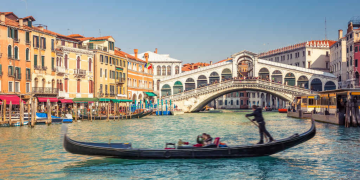
No mention of Venice’s canals would be complete without referring to the famous gondolas. These traditional Venetian boats are perhaps the most romantic and recognizable aspect of the city’s waterways. With their sleek, black hulls and decorative, ornate carvings, gondolas offer tourists a chance to experience Venice from a more intimate perspective.
Gondola rides have been a tradition in Venice for over 1,000 years, originally serving as a practical means of transportation for the nobility and wealthy citizens. Today, they have become a must-do activity for visitors looking to explore the canals in style. Gondoliers, dressed in their classic striped shirts, navigate the winding waterways while providing tourists with a unique view of the city’s historic buildings and landmarks.
2. Venice’s Historic Architecture: A Blend of Art and Culture
2.1 Venetian Gothic: A Distinctive Architectural Style
Venice is home to some of the most impressive examples of Gothic architecture in the world, often referred to as Venetian Gothic. This style blends traditional Gothic elements with influences from the Byzantine, Moorish, and Renaissance periods, reflecting Venice’s rich history as a crossroads of cultures.
One of the most stunning examples of Venetian Gothic architecture is the Doge’s Palace (Palazzo Ducale), located in Piazza San Marco. This palace was the residence of the Doge, the supreme ruler of the Venetian Republic, and it showcases the characteristic pointed arches, delicate carvings, and intricate mosaics that define Venetian Gothic design. The Bridge of Sighs, which connects the Doge’s Palace to the prison, is another iconic structure of this architectural style.
Venetian Gothic can also be seen in many of the palaces along the Grand Canal. The Ca’ d’Oro, for example, is a masterpiece of Venetian Gothic design, with its ornate façade and delicate, lace-like stonework. These grand buildings stand as a testament to the power and wealth of Venice during the Middle Ages and the Renaissance.
2.2 Renaissance Influence on Venetian Architecture
In addition to its Gothic roots, Venice was also greatly influenced by the Renaissance. The city’s architects began to embrace the classical ideals of symmetry, proportion, and harmony, which can be seen in some of the most important buildings of the city, including Santa Maria della Salute and St. Mark’s Basilica.
St. Mark’s Basilica is one of the most famous examples of Venetian Renaissance architecture, known for its stunning gold mosaics, Byzantine influences, and massive domes. The basilica’s five-domed structure and lavish interior are designed to impress, representing the city’s connection to both the Christian faith and the Eastern Mediterranean world.
2.3 Baroque and Neoclassical Influences
The Baroque period also left a significant mark on the architecture of Venice. Piazza San Marco, with its striking neoclassical columns and grand clock tower, embodies the exuberance of Baroque design. Buildings like the Palazzo Grassi and Ca’ Rezzonico demonstrate the city’s ability to combine luxurious details and innovative design.
3. Venice’s Cultural Heritage: Art, Music, and Festivals
3.1 Venice as a Center of Art
Venice has long been a center of art, and its galleries and museums are home to some of the most important works in Western art history. The Gallerie dell’Accademia houses an impressive collection of Venetian Renaissance masterpieces, featuring works by Titian, Veronese, and Tintoretto.
The Peggy Guggenheim Collection, housed in the former palazzo of the Guggenheim family, displays an extraordinary collection of modern art, including pieces by Picasso, Dali, and Pollock. Venice has nurtured generations of artists, from Renaissance masters to contemporary visionaries, making it a world-renowned cultural destination.
3.2 Venetian Music and the Opera Scene
Venice is also deeply rooted in the world of music, especially classical and operatic traditions. The Teatro La Fenice, one of Italy’s most famous opera houses, is a must-visit for lovers of music and culture. La Fenice has hosted some of the greatest composers of the 18th and 19th centuries, including Verdi and Rossini, and it remains a major hub for the operatic arts.
3.3 The Venice Carnival: A Celebration of Tradition
One of the most iconic events in Venice is the Carnival of Venice, a centuries-old tradition celebrated with grand masquerade balls, vibrant costumes, and elaborate parades. The Carnival takes place annually in the weeks leading up to Lent and draws thousands of visitors eager to participate in the festivities.
During Carnival, the city transforms into a theatrical wonderland, where masks are worn to conceal identities, and everyone is invited to become part of the celebration. The Carnival is a reflection of Venice’s history as a city of intrigue, mystery, and festivity.
4. The Challenges Facing Venice: Preservation and Sustainability
4.1 The Threat of Rising Sea Levels
One of the most pressing challenges facing Venice is the threat posed by rising sea levels due to climate change. The city’s location in the Venetian Lagoon makes it particularly vulnerable to flooding, which has become increasingly frequent in recent decades. The annual phenomenon of Acqua Alta (high water) is a major concern, as it floods parts of the city and poses a threat to Venice’s historic structures.
To combat this, the Italian government has implemented the MOSE project, a large-scale engineering initiative designed to protect the city from rising waters by installing barriers at the entrances of the lagoon.
4.2 The Impact of Overtourism
Tourism is both a blessing and a challenge for Venice. While the city depends on the tourism industry for its economy, the sheer volume of visitors can lead to overtourism, putting pressure on local infrastructure, polluting the canals, and contributing to the degradation of historic buildings. Efforts have been made to mitigate the effects of mass tourism, including restrictions on cruise ships and initiatives to encourage sustainable travel practices.
Conclusion: Venice’s Unrivaled Charm and Future
Venice remains one of the most remarkable cities in the world, offering an unparalleled blend of beauty, history, and culture. Its enchanting canals, magnificent architecture, and rich artistic heritage continue to captivate those who visit. However, the city faces significant challenges in the modern age, from environmental threats to the pressures of overtourism.
As Venice moves forward, it is crucial to preserve its unique heritage while ensuring its future as a sustainable and vibrant cultural center. The city’s incredible beauty and historic importance ensure that it will continue to be a destination for travelers seeking to experience its timeless charm for many generations to come.