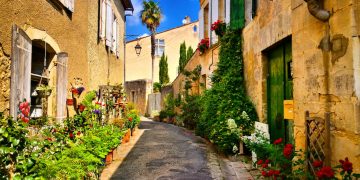









In an age where travel has become more accessible than ever, mass tourism has increasingly taken a toll on the environment, local communities, and the overall travel experience. Tourist hotspots, once serene and authentic, are now often overcrowded and commercialized. The pressures of modern tourism—like environmental degradation, overtourism, and the depletion of local resources—have led many travelers to seek a more mindful and sustainable way to explore the world. Enter slow travel: a travel philosophy that encourages avoiding tourist traps and embracing a deeper, more meaningful connection to local cultures, people, and ways of life.
Slow travel is a movement that challenges the conventional, fast-paced approach to exploring new destinations. Rather than checking off a list of must-see attractions, slow travel encourages travelers to savor the journey, linger longer in one place, and immerse themselves in the rhythms of local life. In doing so, it offers the opportunity to travel not just for the sake of ticking off landmarks, but to truly experience the essence of a place and its people. This article explores the principles, benefits, and practices of slow travel, along with how it can create a more sustainable, fulfilling travel experience.
Understanding Slow Travel: The Philosophy Behind the Movement
Slow travel is rooted in the concept of “slow movement,” a broader cultural shift that started in the 1980s with the Slow Food movement. The Slow Food movement, which began in Italy as a response to the rise of fast food culture, promoted the appreciation of local, seasonal, and sustainably produced food. It advocated for a return to a more deliberate and thoughtful way of living—one that emphasizes quality over speed. In a similar vein, slow travel encourages travelers to engage with destinations on a deeper level, focusing on experiences rather than simply rushing through a checklist of tourist sites.
At its core, slow travel is about rejecting the fast-paced, “tick-the-box” mentality that often comes with conventional tourism. Instead, it advocates for a more immersive, intentional experience that prioritizes cultural exchange, sustainability, and mindfulness. Travelers who embrace slow travel tend to avoid popular tourist spots in favor of quieter, less crowded destinations where they can build more authentic connections with local people and the environment.
The Impact of Mass Tourism: Why Slow Travel is More Important Than Ever
While travel has always been a source of joy and education, the rise of budget airlines, online booking platforms, and social media has resulted in mass tourism. This shift has led to overcrowded attractions, environmental damage, and the commodification of once-pristine locales. Some of the most iconic destinations in the world, like Venice, Barcelona, and Machu Picchu, have become overwhelmed by tourists. The negative effects of this type of tourism are becoming increasingly apparent:
1. Environmental Degradation
Mass tourism contributes significantly to environmental harm. Overcrowding in popular destinations leads to habitat destruction, pollution, and strain on local resources like water and electricity. Additionally, the carbon footprint of travel, especially air travel, adds to global climate change, making sustainability a pressing concern for modern travelers.
2. Cultural Dilution
When a destination becomes overrun with tourists, local cultures and traditions often get diluted or commercialized to cater to foreign tastes and expectations. Local businesses may prioritize tourist-friendly services over authentic cultural practices, leading to a loss of local identity. For instance, in some heavily touristed towns, the real traditions, cuisines, and customs of the local population are overshadowed by the needs of tourists.
3. Overcrowding and Diminished Quality of Experience
The very attractions that draw tourists—the Eiffel Tower in Paris, the Colosseum in Rome, or the beaches of Bali—are becoming overcrowded and less enjoyable. Instead of experiencing the true beauty and history of these places, visitors may feel frustrated by long lines, overcrowded spaces, and over-commercialization. This takes away from the magic and authenticity that these destinations once offered.
4. Strain on Local Communities
Tourism is often seen as a boon for local economies, but the reality is more complicated. While some local businesses thrive off of tourism, many communities face increased costs of living, displacement due to rising rents, and the loss of local character. When tourism becomes the primary source of income, it can disrupt the local economy and create a dependency on external factors.
By contrast, slow travel provides a more sustainable and enriching alternative. Rather than contributing to these negative trends, slow travel seeks to preserve local cultures, reduce environmental impact, and provide a more fulfilling travel experience for both travelers and hosts.
Principles of Slow Travel
Slow travel encourages a shift in mindset from a goal-oriented approach to one focused on experiences, connections, and the journey itself. Here are the key principles that define slow travel:
1. Immersing Yourself in Local Culture
Slow travel is all about experiencing life as the locals do. This could mean learning the local language, participating in cultural activities, and interacting with local residents in meaningful ways. Whether it’s attending a traditional cooking class, visiting a neighborhood market, or sharing a meal with a local family, the focus is on creating connections with the people and culture of the place.
2. Choosing Less Touristy, Off-the-Beaten-Path Destinations
Instead of visiting well-known tourist hotspots, slow travelers tend to seek out hidden gems that are less crowded and offer a more authentic experience. These destinations may not be as famous, but they provide a chance to experience the true essence of a place without the distractions and crowds of popular attractions.
3. Taking Your Time
One of the hallmarks of slow travel is the focus on taking time to truly savor a destination. Rather than rushing from one attraction to the next, slow travelers aim to stay in each place for a longer period, allowing themselves time to truly explore, reflect, and enjoy. This approach leads to a deeper understanding of the place and a more fulfilling experience.
4. Sustainable and Responsible Travel
Slow travel emphasizes environmental sustainability and responsible tourism. This means reducing your carbon footprint by using public transportation, choosing eco-friendly accommodations, and supporting local businesses that prioritize sustainability. Slow travel also encourages travelers to be mindful of their impact on the environment and local communities.
5. Embracing Simplicity
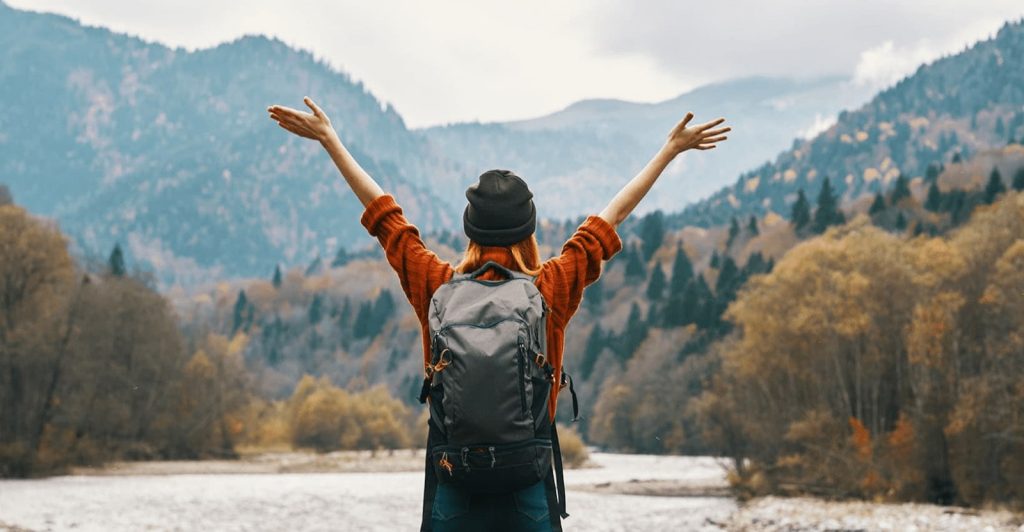
Slow travel encourages a simpler, more relaxed approach to life. It’s about disconnecting from the pressures of modern life and enjoying the present moment. This might mean unplugging from technology, simplifying your itinerary, or slowing down to appreciate the small details around you—the sounds, sights, and smells of a new place.
Practical Ways to Practice Slow Travel
Embracing slow travel requires a shift in how we approach our travels. Here are some practical tips for those looking to embrace this more mindful and immersive form of exploration:
1. Travel by Train or Bus Instead of Flying
Flying is one of the most carbon-intensive modes of transportation. By opting for slower forms of travel like trains or buses, you not only reduce your environmental impact but also experience the landscape in a more personal, immersive way. Trains and buses often offer scenic views and a slower pace, allowing you to appreciate the journey as much as the destination.
2. Spend More Time in Fewer Places
Rather than visiting multiple cities or countries in a short period, slow travelers focus on spending more time in fewer places. This allows you to dive deeper into the culture and atmosphere of a destination, and it reduces the environmental impact of frequent travel. You might spend several days or even weeks in a small town or village, discovering its hidden gems and establishing connections with local people.
3. Support Local and Sustainable Businesses
One of the core principles of slow travel is supporting local businesses. Stay in locally-owned guesthouses or homestays, dine at family-run restaurants, and buy products from local artisans. These actions not only help sustain the local economy but also ensure that your travel experience is more authentic and enriching.
4. Engage in Meaningful Cultural Exchange
Instead of merely observing a culture as a tourist, slow travel encourages active engagement. This could mean participating in local traditions, learning to cook traditional dishes, volunteering with community projects, or simply spending time with local people. These experiences deepen your understanding of the place and create more memorable, meaningful connections.
5. Unplug and Disconnect
Slow travel invites travelers to unplug from the fast-paced digital world. While it’s tempting to constantly check social media or rely on Google Maps, slow travel encourages a return to mindfulness. Turn off your phone, avoid over-planning, and allow yourself to get “lost” in the moment. This can create a richer, more authentic travel experience and allow you to truly immerse yourself in the place you’re visiting.
The Benefits of Slow Travel
1. Deeper Cultural Understanding
By spending more time in one place and engaging with local people, slow travelers gain a deeper understanding of the culture and way of life. This level of immersion is impossible to achieve in a short, whirlwind trip that focuses solely on tourist attractions. Slow travel allows for genuine connections and authentic experiences.
2. Environmental Benefits
By choosing more sustainable modes of transportation and reducing the frequency of travel, slow travelers significantly reduce their carbon footprint. Additionally, by staying in eco-friendly accommodations and supporting sustainable local businesses, slow travel can have a positive impact on the environment.
3. Personal Fulfillment
Rather than racing from one destination to the next, slow travel encourages reflection, introspection, and mindfulness. It allows travelers to savor their experiences, slow down, and appreciate the present moment. This leads to a more fulfilling and rewarding travel experience that is less about ticking off landmarks and more about meaningful connections.
4. Economic Support for Local Communities
Slow travel benefits local economies by encouraging travelers to spend money in smaller, lesser-known destinations. This provides economic opportunities for local communities that may not benefit from the mass tourism that floods popular tourist hotspots.
Conclusion: A Mindful and Transformative Approach to Travel
Slow travel is more than just a trend—it is a movement that promotes conscious, sustainable, and meaningful travel experiences. By focusing on local lifestyles, embracing the slow pace of life, and fostering deep connections with both the people and the environment, slow travel offers a way to explore the world with greater depth and responsibility. As the travel industry continues to evolve, slow travel stands as a beacon for those seeking not only to explore new destinations but to experience them in a way that is respectful, sustainable, and transformative.
The slow travel philosophy challenges us to reconsider the way we travel—inviting us to enjoy the journey as much as the destination and to experience the world at a pace that allows for true connection, reflection, and understanding. In the process, we can become more mindful travelers, better stewards of the planet, and richer in our appreciation of the world around us.