








In the world of adventure sports, few pursuits are as exhilarating or as demanding as extreme skiing and snow mountain exploration. These activities combine technical skill, physical endurance, mental toughness, and an unrelenting passion for the mountains. While traditional skiing and snowboarding focus on resort slopes, extreme skiing and snow mountain exploration take thrill-seekers off the beaten path, into the wild, where the risks and rewards are amplified.
These sports demand more than just the ability to ski—they require deep knowledge of mountain safety, navigation, and decision-making, as well as an intimate understanding of avalanche dynamics, weather patterns, and the physical demands of high-altitude exploration. Whether it’s carving down an untouched mountain face or navigating treacherous ridgelines in the backcountry, the challenges of extreme skiing and snow mountain exploration are as mental as they are physical.
This article delves deep into the world of extreme skiing and snow mountain exploration. We will explore the history, techniques, risks, safety measures, and the culture surrounding these high-stakes activities, while also profiling some of the world’s most iconic locations for skiing and snow exploration. Along the way, we’ll uncover the psychology behind pushing the limits of what’s possible and examine the fine balance between adrenaline, skill, and safety.
The Evolution of Extreme Skiing and Snow Mountain Exploration
Early Roots: Skiing as a Means of Transportation
The roots of skiing can be traced back thousands of years to early civilizations in Scandinavia, Asia, and the Alps, where skis were primarily used as a means of transportation across snow-covered terrain. Early explorers used skis to traverse deep snow and rugged landscapes, with little regard for recreation or sport. These practical skis were often rudimentary, designed for function rather than speed or style.
It wasn’t until the early 20th century that skiing began to evolve into a sport, with recreational and competitive skiing becoming popular in countries like Norway and Switzerland. By the 1930s and 1940s, alpine skiing had gained popularity, especially in ski resorts across Europe and North America. However, it was in the post-World War II era that skiing transitioned from a recreational activity to a more extreme and adventurous sport.
The Rise of Extreme Skiing
As skiing evolved, so did the boundaries of what was considered possible. In the 1970s and 1980s, pioneers in the sport began pushing the limits, moving away from groomed resort slopes and venturing into the backcountry. Ski mountaineering, a form of skiing that combines mountaineering techniques with skiing, became increasingly popular, especially in regions like the French Alps, the Canadian Rockies, and the American Pacific Northwest.
The 1990s and early 2000s saw the rise of extreme skiing as we know it today—marked by high-octane stunts, steep descents, off-piste exploration, and the use of helicopters and snowmobiles to access remote, pristine areas. Skiing became not just a sport, but an adventure. As athletes sought to conquer some of the world’s most challenging peaks, extreme skiing began to intersect with mountaineering, alpine climbing, and other high-risk adventure sports.
Types of Extreme Skiing
Extreme skiing can be broken down into several categories, each with its own distinct set of challenges and appeal. The common thread throughout these disciplines is the pursuit of adrenaline and the desire to push the boundaries of human performance on snow-covered terrain.
1. Freeride Skiing
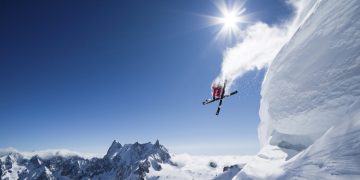
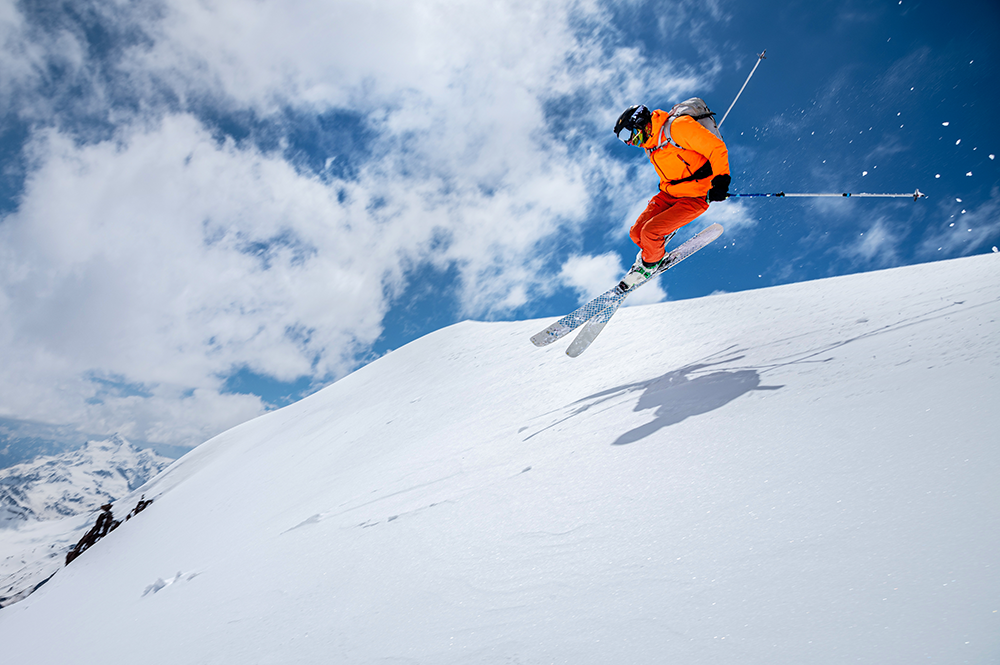
Freeride skiing, often referred to as off-piste skiing, is the most accessible form of extreme skiing. It involves skiing outside of the groomed trails, often on natural, ungroomed terrain. Freeride skiers make use of the natural features of the mountain, such as cliffs, bowls, and trees, to perform jumps, tricks, and technical descents.
The sport has gained immense popularity due to its freedom and the challenge it presents. Freeride skiers are constantly assessing terrain for potential hazards like avalanche risk, hidden rocks, or tree wells. While freeride skiing may seem straightforward, it requires advanced technical skills in terms of navigation, snow conditions, and judgment.
2. Ski Mountaineering
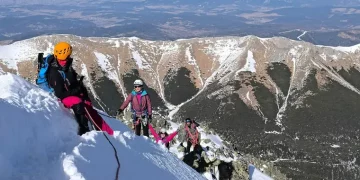
Ski mountaineering is a more technical and physically demanding form of extreme skiing that involves skiing to the summit of a mountain, often using climbing gear like crampons, ice axes, and ropes to ascend. Ski mountaineers must be proficient in both climbing and skiing, as they often traverse glaciers, climb steep snow-covered ridgelines, and then descend the same mountain.
This form of skiing is often associated with remote, high-altitude peaks, and it requires advanced skills in avalanche safety, navigation, and self-rescue. Ski mountaineering often involves multi-day trips, and participants may face weather changes, rapidly shifting snow conditions, and the physical challenges of high-altitude environments.
3. Heli-Skiing
Heli-skiing takes extreme skiing to another level by using helicopters to access remote, untouched peaks. This allows skiers to reach backcountry locations that would otherwise be inaccessible. With heli-skiing, athletes can ski down vast, untracked snowfields, cliffs, and bowls, with the freedom to explore an entire mountain range in a single day.
While heli-skiing offers unparalleled access to pristine terrain, it comes with its own set of risks, including avalanches, extreme weather conditions, and the inherent danger of helicopter travel. Despite the risks, heli-skiing remains one of the most thrilling and sought-after experiences for expert skiers looking to explore the wildest snow-covered landscapes.
4. Extreme Ski Racing
For those who thrive on competition and speed, extreme ski racing takes the challenge of skiing to the next level. Events like the Xtreme Verbier are famous for their combination of high-speed racing and technical terrain. Athletes race down steep, rocky faces, navigating jumps, cliffs, and difficult snow conditions, often with little room for error.
Extreme ski racing pushes the limits of human speed and skill, requiring intense focus, reaction time, and the ability to adapt quickly to changing conditions. It is one of the most dangerous forms of extreme skiing, with athletes often navigating treacherous terrain at speeds of up to 80 mph (130 km/h).
The Gear: Equipment for Extreme Skiing
Extreme skiing and snow mountain exploration require specialized equipment designed to handle the unique challenges of off-piste terrain and high-altitude environments. Here’s a breakdown of the essential gear used in these sports:
1. Skis
For extreme skiing, skis are often wider and more robust than traditional resort skis, allowing for better stability in deep snow and off-piste conditions. The most common types of skis used for extreme skiing are powder skis and alpine touring skis. Powder skis are designed for flotation in deep snow, while alpine touring skis are lighter and equipped with a system for climbing uphill.
2. Avalanche Safety Gear
Avalanche safety gear is a must for anyone engaging in backcountry skiing or ski mountaineering. This includes an avalanche transceiver (for locating others in case of a burial), a probe (for pinpointing the location of a buried skier), and a shovel (for digging out snow). Some skiers also use avalanche airbags, which can help keep them on the surface of an avalanche.
3. Climbing Gear
For ski mountaineering, climbing gear is essential. This includes ice axes, crampons, ropes, harnesses, and carabiners. Ski mountaineers often use these tools to ascend steep, technical terrain or glaciers.
4. Helmets and Protective Gear
Helmets are essential for safety, especially when skiing in extreme environments where terrain is unpredictable. Additionally, many skiers wear protective padding, back protectors, and knee guards to reduce the risk of injury during high-speed descents or while navigating technical obstacles.
5. Clothing and Outerwear
Clothing designed for extreme skiing must be lightweight, durable, and capable of withstanding harsh weather conditions. Skiers typically wear moisture-wicking base layers, thermal mid-layers, and waterproof outer shells to protect against snow, rain, and wind. Insulated gloves, goggles, and face masks are also crucial to combat cold temperatures and reduce exposure to the elements.
The Risks of Extreme Skiing and Snow Mountain Exploration
While extreme skiing and snow mountain exploration are exhilarating, they are not without significant risks. The combination of difficult terrain, unpredictable weather, and high-altitude environments can lead to accidents and fatalities. Here are some of the key risks involved:
1. Avalanches
Avalanches are one of the biggest dangers faced by extreme skiers, particularly in the backcountry. These massive, fast-moving walls of snow can bury skiers in seconds. Understanding avalanche terrain, conditions, and having the proper safety equipment is essential for minimizing this risk.
2. Weather Conditions
Mountain weather can change rapidly, with conditions like snowstorms, fog, or high winds making navigation and skiing treacherous. Extreme skiers must be prepared for sudden shifts in weather and have the ability to make quick decisions based on changing conditions.
3. Falls and Injury
Extreme skiing often involves high-speed descents on steep slopes, which increases the risk of falls and injuries. Colliding with rocks, trees, or other obstacles can result in serious injuries, even for experienced skiers.
4. Altitude Sickness
Skiing at high altitudes, especially in ski mountaineering, exposes skiers to the risks of altitude sickness. Symptoms include headaches, dizziness, nausea, and shortness of breath. Acclimatization is critical to avoiding altitude-related illness.
5. Isolation
Skiing in remote, backcountry areas often means that help is far away in case of an emergency. Extreme skiers must have a high level of self-sufficiency, as well as advanced knowledge of rescue techniques and survival skills.
Conclusion: The Allure of Extreme Skiing and Snow Mountain Exploration
Extreme skiing and snow mountain exploration represent the ultimate fusion of adventure, athleticism, and the natural world. These sports push individuals to their limits, testing their physical and mental resilience, while also fostering a deep respect for the mountains and the forces of nature.
For those drawn to the thrill of the extreme, these sports offer the chance to experience some of the most breathtaking, remote landscapes in the world, all while challenging oneself in ways that few other activities can. However, extreme skiing and snow mountain exploration also require serious preparation, a deep understanding of mountain safety, and a willingness to accept the inherent risks that come with exploring the world’s most rugged, unforgiving environments.
Whether you’re looking to ski untouched powder, scale a high-altitude peak, or race down a steep mountain face, the world of extreme skiing and snow mountain exploration is one of the most exhilarating and rewarding ways to experience the raw beauty of the natural world. But remember—while the pursuit of adventure can be thrilling, it should always be balanced with respect for the mountains, the conditions, and most importantly, safety.