








Japan, a country renowned for its rich cultural heritage and stunning natural landscapes, has long been a sought-after destination for travelers seeking a unique blend of ancient traditions and breathtaking seasonal beauty. With its four distinct seasons—spring, summer, autumn, and winter—Japan offers a diverse range of experiences that change throughout the year, making it an ideal location for anyone looking to immerse themselves in the changing tapestry of nature and culture.
From the delicate cherry blossoms in spring to the vibrant autumn foliage, Japan’s seasonal landscape is as varied as it is beautiful. Beyond its natural beauty, Japan’s cultural traditions, which have evolved over centuries, continue to captivate visitors with their emphasis on harmony, craftsmanship, and spirituality. These elements, when combined with the country’s awe-inspiring landscapes, create a travel experience that is both enriching and unforgettable.
This article will explore Japan’s traditional culture, the seasonal charm of its landscapes, and why this dynamic blend of history, culture, and nature makes Japan a must-visit destination for travelers. We will delve into Japan’s cultural practices, examine how its seasons influence travel and tourism, and highlight some of the most iconic cultural experiences and natural wonders that draw visitors to this fascinating country.
The Allure of Traditional Japanese Culture
1. Cultural Heritage: A Blend of the Ancient and the Modern
Japan’s cultural heritage is an intricate tapestry woven from millennia of history, art, and philosophy. Traditional Japanese culture has preserved a deep respect for nature, simplicity, and mindfulness, values that are reflected in the country’s arts, architecture, and daily practices. These traditions, passed down through generations, continue to shape the Japanese way of life and remain central to the nation’s identity.
Tea Ceremony (Chanoyu)
One of the most iconic expressions of Japanese culture is the tea ceremony, or chanoyu, which embodies the principles of harmony, respect, purity, and tranquility. This ceremonial preparation and drinking of matcha (powdered green tea) takes place in a minimalist environment, where every gesture is executed with precision and mindfulness. It reflects the Japanese appreciation for the moment, and visitors who have the opportunity to participate in a tea ceremony can gain a deeper understanding of the values that underlie Japanese culture.
Traditional Arts: Calligraphy, Ikebana, and More
Japanese calligraphy (shodo) is an art form that combines writing with aesthetics. Practitioners use brushes and ink to create characters with a fluidity and beauty that transcends mere communication. Similarly, ikebana—the art of flower arranging—emphasizes balance, simplicity, and the natural beauty of the flowers themselves. Both arts reflect the Japanese concept of “wabi-sabi,” the appreciation of imperfection and transience.
Architecture: From Temples to Castles
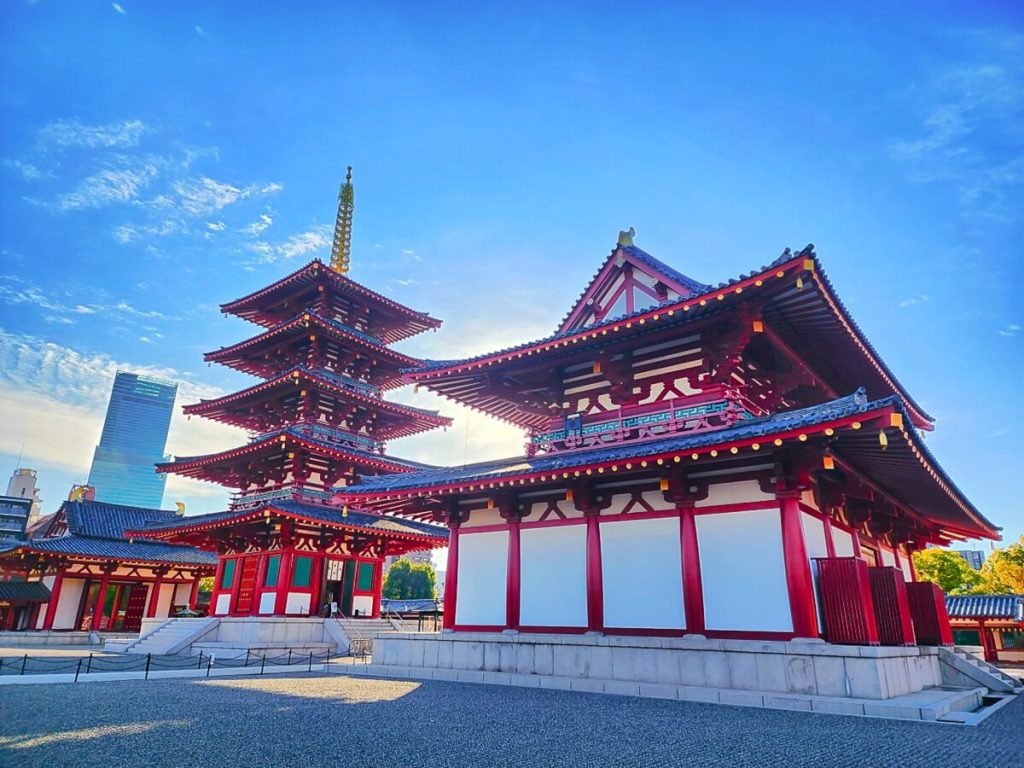
Japanese architecture, from the humble minka farmhouses to the grandiose Buddhist temples and Shinto shrines, highlights the country’s reverence for nature and tranquility. Traditional wooden buildings, tatami mat rooms, sliding doors, and shoji screens invite a sense of peace and natural flow. Notable examples such as Kyoto’s Kinkaku-ji (Golden Pavilion), the sprawling Himeji Castle, and the serene temples of Nara exemplify the beauty and spiritual depth that traditional Japanese architecture offers.
Festivals (Matsuri)
Japan’s festivals, known as matsuri, are an essential part of the nation’s cultural fabric. They celebrate various seasons, deities, and historical events. Whether it’s the summer Gion Matsuri in Kyoto, with its grand processions and lively atmosphere, or the winter Aizu Lantern Festival, which illuminates the night sky with thousands of candles, these festivals offer a vivid glimpse into Japanese traditions, customs, and community spirit.
2. Spiritual Practices: Shintoism and Buddhism
Shintoism, Japan’s indigenous religion, and Buddhism, which was introduced to Japan in the 6th century, play an integral role in shaping the country’s cultural identity. Shinto shrines, often nestled in tranquil natural settings, invite visitors to participate in rituals of purification, prayer, and offerings to the kami (spirits or deities). Likewise, Buddhist temples, with their Zen gardens and meditative spaces, encourage contemplation and self-reflection.
Visiting places like the Fushimi Inari Shrine in Kyoto, with its iconic red torii gates, or the peaceful temples of Mount Koya offers travelers a chance to experience the spiritual tranquility that has been a part of Japan’s culture for centuries.
3. Cuisine: A Reflection of Japanese Culture
Japanese cuisine is another important facet of its cultural identity. Known for its emphasis on fresh, seasonal ingredients, and intricate presentation, Japanese food—whether sushi, tempura, ramen, or kaiseki (traditional multi-course meal)—is a manifestation of the country’s values of simplicity, balance, and respect for nature. Travelers can explore local delicacies in different regions, from Hokkaido’s fresh seafood to Kyoto’s traditional sweets.
Japanese culinary experiences are often paired with seasonal themes. For example, sakura (cherry blossom) season is marked by a profusion of seasonal treats such as sakura mochi (sweet rice cakes) and hanami (cherry blossom viewing) picnics, where friends and families gather under blooming cherry trees to enjoy food, drink, and nature’s beauty.
Japan’s Four Distinct Seasons: A Natural Wonderland
One of the most remarkable aspects of Japan is the way its four seasons shape the country’s culture and tourism industry. The seasonal beauty of Japan is not just a backdrop but a driving force behind much of the country’s traditional customs and activities. Each season offers something unique and remarkable, making Japan a year-round destination for travelers.
1. Spring: The Magic of Cherry Blossoms
Spring in Japan is synonymous with the iconic sakura (cherry blossoms), which bloom in a dazzling display of delicate pink and white flowers across the country. The arrival of spring is eagerly awaited, and the cherry blossom season is a time for celebration, reflection, and connection with nature. Hanami (flower viewing) picnics under blooming cherry trees are a beloved tradition, where people gather to appreciate the fleeting beauty of the blossoms.
Best Places for Cherry Blossom Viewing
While cherry blossoms bloom across Japan, some of the most famous viewing spots include the gardens around Kyoto’s Kiyomizu-dera Temple, the Shinjuku Gyoen National Garden in Tokyo, and the picturesque riverside parks in Takamatsu. Many travelers flock to these areas in March and April to witness this brief but spectacular seasonal phenomenon.
2. Summer: Festivals, Fireworks, and the Great Outdoors
Summer in Japan is marked by high temperatures and a vibrant festival culture. The country comes alive with matsuri, featuring parades, traditional dances, and performances that celebrate local heritage. The summer festivals in Japan are an essential part of the culture, and their excitement is contagious, as visitors and locals alike don colorful yukatas (summer kimonos) and enjoy fireworks displays, food stalls, and games.
Iconic Summer Experiences
- Gion Matsuri in Kyoto is one of the most famous summer festivals, showcasing massive floats and traditional processions.
- Tanabata Festival, celebrated in early July, features vibrant paper decorations and celebratory events to honor the star-crossed lovers Orihime and Hikoboshi.
- Fireworks festivals (Hanabi Taikai), like the Sumida River Fireworks Festival in Tokyo, illuminate the night sky with spectacular pyrotechnic displays.
Summer also offers opportunities for hiking and exploring the Japanese Alps, visiting coastal areas, or relaxing at one of Japan’s many hot spring resorts (onsen).
3. Autumn: The Beauty of Fall Foliage
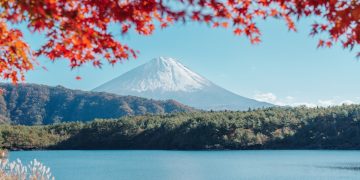
Autumn is arguably one of Japan’s most visually stunning seasons, as the country’s mountains, temples, and parks are transformed into a kaleidoscope of vibrant red, orange, and yellow leaves. The fall foliage, or koyo, is an annual event that attracts travelers from around the world. This season is perfect for hiking through mountainous regions or strolling through serene gardens to witness the beauty of nature’s changing colors.
Best Spots for Autumn Foliage
Some of the most spectacular places to see autumn foliage include:
- Nikko, with its historic shrines set against a backdrop of colorful trees.
- Kyoto, where the temple gardens, particularly at places like Kiyomizu-dera and Tofuku-ji, are transformed into an array of autumn colors.
- Hakone, a mountain region known for its hot springs and breathtaking views of Mount Fuji surrounded by fall colors.
4. Winter: A Snowy Wonderland
Japan’s winter is a magical time, especially in the northern regions. The cold weather brings snow to many areas, transforming the landscape into a winter wonderland. Skiing and snowboarding are major attractions in places like Hokkaido and the Japanese Alps, where powder snow is some of the best in the world. Winter in Japan is also a time for festivals, hot spring bathing, and enjoying hearty, warming foods.
Winter Experiences in Japan
- Sapporo Snow Festival, held in February, is famous for its massive ice sculptures and snow art.
- Onsen (hot spring) resorts, like those in Hakone, provide a relaxing and rejuvenating experience in the cold months, where visitors can enjoy outdoor baths surrounded by snow.
- Winter foods, such as nabe (hot pot) and oden, are staples during this season, offering comfort and warmth.
Why Japan is an Ideal Destination for Travelers
Japan offers a rare combination of cultural richness, natural beauty, and modern sophistication that is unmatched by most other countries. Whether you’re a history enthusiast, a nature lover, an adventure seeker, or a foodie, Japan has something for everyone. Its four distinct seasons provide a continuous variety of experiences, making it a perfect year-round destination for travelers seeking both tranquility and excitement.
Japan’s ability to seamlessly blend ancient traditions with modern innovation, coupled with its deep respect for nature and the changing seasons, ensures that every visit to the country is filled with discovery and awe. From the serene temples to the lively festivals, from the quiet mountain retreats to the bustling streets of Tokyo, Japan presents an endless array of possibilities for exploration and adventure.
Whether you’re captivated by the country’s traditional tea ceremonies or enchanted by its seasonal beauty, Japan remains one of the most unique and enriching destinations for travelers worldwide. The culture, history, and landscapes make it not just a destination but an experience that will leave a lasting impression long after your journey ends.