








Traveling is often an exciting and transformative experience, offering a chance to explore new destinations, meet different cultures, and step out of one’s comfort zone. However, with all the excitement of discovering new places, it’s important to remember that travel can sometimes present unexpected challenges or emergencies. Whether it’s a medical emergency, a natural disaster, a lost passport, or a transportation strike, being prepared for the unexpected is essential to ensuring your safety and well-being while abroad.
The key to minimizing the risks and maximizing the enjoyment of your travels lies in thorough preparation. This means more than just booking flights and accommodations—it’s about planning for the worst-case scenarios, too. This article will discuss the importance of understanding local emergency contacts, purchasing travel insurance, and always being prepared with emergency essentials. By understanding these steps and taking the time to prepare ahead of time, travelers can feel more secure and confident, knowing they are ready for whatever comes their way.
Understanding the Importance of Local Emergency Contacts
Every country has its own set of emergency contacts that are vital for travelers to know. In many instances, especially when traveling to foreign countries, unfamiliarity with local emergency services can lead to delayed responses in critical situations. It is crucial to take the time to familiarize yourself with the emergency contact numbers for your destination before you travel. These numbers can include:
1. Emergency Services (Police, Ambulance, Fire)
In many countries, emergency services such as police, medical assistance, and firefighting services are bundled under a single emergency number. For example:
- In the United States, dial 911.
- In the European Union, dial 112.
- In the UK, dial 999 or 112.
- In Australia, dial 000.
Knowing the correct emergency number will help you respond swiftly in an emergency, whether it’s a medical issue, a natural disaster, or any other type of crisis.
2. Local Embassies or Consulates
If you lose your passport or need assistance in a foreign country, local embassies and consulates are the first point of contact. They can help with replacing lost travel documents, offering emergency assistance, or providing contact information for local services. Ensure that you have the contact details for your country’s embassy or consulate in the country you are visiting. This is particularly important for travelers visiting regions where safety may be a concern or where diplomatic services may be less accessible.
3. Local Hospitals and Medical Centers
Knowing the location and contact information of the nearest hospital or medical center can be crucial in the event of a health emergency. In some destinations, particularly rural or remote areas, medical facilities may be scarce, and finding appropriate medical care can be difficult. Make sure you have the phone numbers for local medical centers, urgent care clinics, or hospitals readily accessible.
4. Tourist Assistance Hotlines
Many countries offer tourist assistance hotlines that can provide information about the country, safety tips, and emergency resources. These hotlines can help you in times of distress and can often provide advice on how to avoid common travel scams, where to find safe accommodations, or what to do in the event of a natural disaster.
5. Travel Insurance Emergency Numbers
Travel insurance providers typically offer a 24/7 emergency hotline for their customers. Whether you’re dealing with a medical emergency, a lost bag, or a travel delay, these services can assist you with a range of issues while abroad. Ensure that you have your travel insurance details, including the emergency number, written down and easily accessible.
By researching and saving the correct emergency contacts for your destination ahead of time, you ensure that, if an emergency does occur, you won’t be scrambling for help in a foreign language or environment.
Travel Insurance: A Vital Safety Net
Travel insurance is often an afterthought for many travelers, but it’s one of the most important investments you can make to protect yourself when traveling. While it may seem like an extra expense at the time of booking, travel insurance provides peace of mind, knowing that you’re covered for a range of potential emergencies. There are different types of travel insurance, and choosing the right one depends on the nature of your trip, your health, and your specific needs.
Types of Travel Insurance
1. Medical Insurance
Travel medical insurance covers unexpected medical expenses while abroad, which may include hospital stays, doctor visits, and emergency medical evacuation. If you become ill or injured while traveling, this type of insurance can help cover the cost of treatment and transportation back to your home country, if necessary. Without medical insurance, medical expenses abroad can be incredibly expensive, and in some countries, you may even be required to pay upfront for treatment.
2. Trip Cancellation Insurance
This insurance provides coverage in case you need to cancel or cut short your trip due to unforeseen circumstances, such as illness, a family emergency, or a natural disaster. It can reimburse you for non-refundable expenses such as flights, accommodation, and tour bookings.
3. Baggage Insurance
Baggage insurance covers the cost of lost, stolen, or damaged luggage. It can also cover the expense of purchasing essential items like clothing and toiletries if your baggage is delayed for a certain period. If you’re traveling with valuable items, consider opting for a more comprehensive policy that also covers theft or loss of electronics, jewelry, and important documents.
4. Evacuation Insurance
If you’re traveling to remote or high-risk areas, evacuation insurance is crucial. It covers the cost of emergency evacuation in the event of a natural disaster, civil unrest, or a medical emergency requiring specialized care. For example, if you’re caught in a remote area after an earthquake or fall ill in a rural region with limited medical facilities, evacuation insurance would cover the costs of being transported to a safer location.
5. Travel Delay Insurance
Travel delays are more common than many travelers expect. Bad weather, mechanical issues, or political unrest can result in delayed or canceled flights, missed connections, and disrupted travel plans. Travel delay insurance can help cover costs like hotel accommodations, meals, and alternative transportation during such disruptions.
Why You Shouldn’t Skip Travel Insurance
Even if you’re traveling to a well-known, safe destination, unexpected incidents can occur at any time. Natural disasters, terrorist attacks, medical emergencies, and even lost luggage can derail your trip. Travel insurance not only gives you financial protection but also helps you manage unexpected disruptions, ensuring that your trip remains as stress-free as possible.
When purchasing travel insurance, make sure to read the policy carefully and check for any exclusions or limitations. Some policies may not cover pre-existing medical conditions, certain high-risk activities (such as extreme sports), or cancellations due to political unrest. It’s important to select a policy that suits your specific needs and the level of risk you’re comfortable with.
Essential Emergency Items to Pack
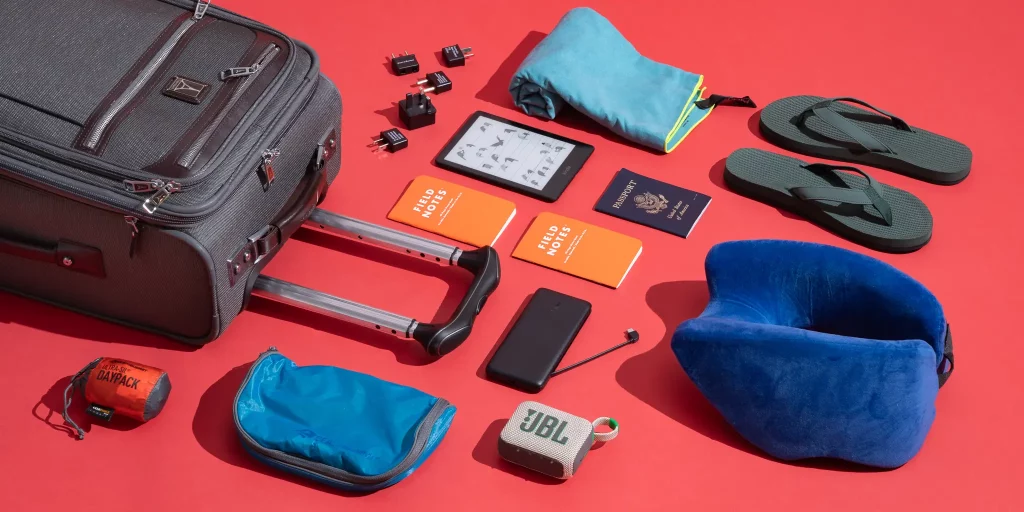
Even with the best preparations, emergencies can still happen while traveling. Packing certain items in your luggage can make all the difference when it comes to staying safe and being able to respond quickly in an emergency. Here are some essential emergency items you should always have with you while traveling:
1. First Aid Kit
A basic first aid kit is an essential item for any traveler. Your kit should include bandages, antiseptic wipes, adhesive tape, gauze pads, pain relievers, allergy medications, and any other personal medications you may need. If you’re traveling to remote areas, consider adding items like splints, insect repellent, and sunscreen.
2. Portable Charger and Power Bank
Being able to contact emergency services or use your phone for navigation in an emergency is crucial. Having a fully charged phone can be a lifesaver, so carrying a portable charger or power bank is an essential precaution. Make sure the power bank is capable of charging your phone multiple times if necessary.
3. Copies of Important Documents
It’s always a good idea to carry photocopies of your passport, travel insurance, itinerary, and other important documents. These copies can be useful if your documents are lost or stolen. Store them separately from the originals (for example, in a different bag or pouch) to minimize the risk of losing everything at once.
4. Water Purification Tablets or Filter
If you’re traveling to areas where access to clean water is limited or where water contamination is a concern, carrying water purification tablets or a portable water filter can be lifesaving. These tools can help you ensure you have access to safe drinking water, even in the most remote places.
5. Multi-tool or Swiss Army Knife
A multi-tool or Swiss Army knife is a versatile and useful item to have on hand, especially in emergency situations. These tools can help with everything from opening cans to making basic repairs to your gear. However, be sure to check the regulations for bringing sharp items through airport security.
6. Travel Locks
If you’re traveling in areas where theft may be a concern, travel locks can help secure your belongings. Use them for your luggage, lockers, or hotel rooms to add an extra layer of security.
7. Personal Identification and Emergency Contact Info
It’s always important to have a list of emergency contacts, including family members, local embassy information, and your travel insurance provider. Keep a written copy of these details on you at all times, as well as on a secure app or cloud service.
8. Flashlight or Headlamp
A small, battery-powered flashlight or headlamp is useful in situations where power is out, or when you’re navigating unfamiliar or dimly lit areas. It’s a compact and relatively inexpensive item that can make a big difference in an emergency.
Conclusion: Preparedness is Key
While no one likes to think about emergencies while traveling, they are a reality that every traveler must be prepared for. Knowing local emergency contacts, purchasing comprehensive travel insurance, and packing essential emergency items can ensure that you are equipped to handle whatever comes your way. With these preparations in place, you can focus on enjoying your trip with the peace of mind that you’re ready for any unforeseen situation.
Traveling can be an incredible experience, and taking these proactive steps will allow you to embrace adventure while minimizing risks. By being prepared, you can enjoy a safer, more relaxed, and more fulfilling journey, knowing that you’re ready for whatever comes your way.