









In the modern age, where environmental concerns are growing, the impact of travel on the planet’s well-being has become a topic of increasing urgency. The transportation sector, which includes cars, planes, trains, and ships, is one of the largest contributors to global greenhouse gas emissions. As individuals, we can make a significant impact on reducing our carbon footprint by opting for more sustainable modes of transportation. Public transportation and cycling are two of the most effective and accessible ways to lower emissions. This article explores the environmental benefits of these eco-friendly travel options, compares their effectiveness, and highlights practical steps for individuals to incorporate them into their daily routines.
1. The Environmental Impact of Transportation
Carbon Emissions and Their Effect on Climate Change
The transportation sector accounts for approximately 14% of global greenhouse gas emissions, a major contributor to global warming and climate change. The burning of fossil fuels in vehicles releases carbon dioxide (CO₂), nitrous oxides (NOₓ), and particulate matter into the atmosphere. These pollutants contribute to the greenhouse effect, accelerating the rise in global temperatures and resulting in severe weather patterns, rising sea levels, and threats to biodiversity.
Personal cars, especially those powered by gasoline and diesel, are a significant source of these emissions. According to the International Energy Agency (IEA), road transport is responsible for 70% of total transport-related emissions. In addition, air travel and freight shipping contribute a large portion of the remaining emissions.
Thus, reducing emissions from transportation is critical for mitigating climate change and achieving global sustainability goals, such as those outlined in the Paris Agreement.
The Need for Alternative Transport Solutions
Given the substantial impact of transportation on the environment, many cities and countries are working towards promoting more sustainable alternatives. This shift includes increasing investment in public transportation, developing infrastructure for cycling and walking, and encouraging the adoption of electric vehicles (EVs).
Among the most feasible solutions for individuals to reduce their carbon footprints are public transportation and cycling—two methods that not only lower emissions but also offer a range of economic and social benefits.
2. The Role of Public Transportation in Reducing Carbon Emissions
Public transportation—such as buses, trains, trams, and subways—plays a key role in reducing carbon emissions. The core benefit of public transport lies in its ability to move a large number of people efficiently, while reducing the number of individual vehicles on the road.
High Capacity and Low Emissions
Modern public transportation systems, particularly those running on clean energy sources (e.g., electric trains or buses), can significantly reduce the carbon footprint per person compared to private car use. According to the European Environment Agency (EEA), a bus carrying 20 passengers emits less CO₂ than 20 cars traveling the same distance. Trains, particularly electric ones, can be even more efficient, with emissions per passenger kilometer much lower than private vehicles.
Reducing Traffic Congestion and Improving Air Quality
In cities with robust public transport networks, congestion on the roads can be significantly alleviated. Fewer cars on the road means less traffic, which not only reduces emissions but also improves overall air quality. Many urban areas suffer from poor air quality due to emissions from vehicles, leading to health problems such as asthma, bronchitis, and cardiovascular diseases. By opting for public transport, individuals can contribute to cleaner air and healthier communities.
Cost-Effectiveness and Accessibility
Public transportation is often more affordable than owning and maintaining a private vehicle. For those living in urban areas, it can be a cheaper alternative to the combined costs of gas, maintenance, and parking fees. Furthermore, public transport is often more accessible to people of all income levels, making it an equitable transportation option for diverse populations.
Moreover, the reduction in the number of cars on the road can also have positive effects on urban planning, reducing the need for extensive parking spaces and making cities more pedestrian-friendly.
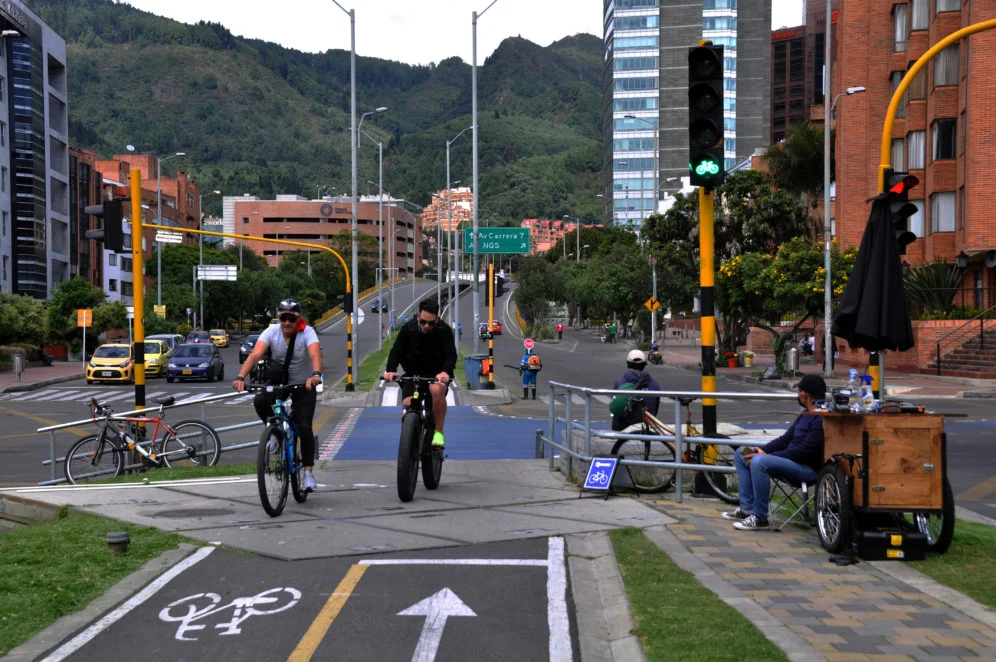
3. Cycling: A Personal and Sustainable Travel Option
Cycling is another highly effective mode of eco-friendly transportation. Not only is cycling a zero-emission mode of transport, but it also provides health benefits and is a low-cost option for individuals.
Environmental Benefits of Cycling
A study by the European Cyclists’ Federation found that cycling produces nearly zero emissions, especially when compared to other transport modes. A bicycle requires minimal resources to manufacture, and the emissions associated with its use are extremely low. In addition, bicycles do not contribute to road congestion, and their use reduces the need for extensive road infrastructure.
By choosing to cycle instead of driving, an individual can eliminate their carbon footprint from a given journey. For example, cycling a distance of 10 kilometers (about 6 miles) emits approximately 0 grams of CO₂, while a car trip for the same distance could emit more than 2 kilograms of CO₂, depending on the type of car.
Health and Economic Benefits of Cycling
Cycling provides excellent cardiovascular exercise, improving physical health by enhancing stamina, reducing the risk of chronic diseases, and promoting mental well-being. The environmental benefits of cycling are thus compounded by the positive effects it has on an individual’s health, making it a sustainable lifestyle choice in more ways than one.
Furthermore, cycling is a cost-effective transportation method. The cost of purchasing and maintaining a bicycle is significantly lower than that of a car, making it an affordable alternative for people across different socio-economic backgrounds. In addition, cycling can often be faster than driving, especially in congested urban areas where traffic jams and limited parking can make car travel time-consuming.
Infrastructure and Policy Support for Cycling
For cycling to become a viable option for more people, infrastructure must be developed to ensure cyclists’ safety and convenience. Many cities worldwide are investing in bike lanes, bike-sharing programs, and cyclist-friendly policies to encourage cycling. Cities like Copenhagen and Amsterdam have already set the example by designing urban environments that prioritize cycling over motorized transport. As more governments recognize the environmental, health, and economic benefits of cycling, we can expect to see increased efforts to integrate cycling into public transportation systems.
4. The Integration of Public Transport and Cycling
The combination of public transportation and cycling offers a powerful synergy in reducing the carbon footprint. These two modes of transport can complement each other in creating an integrated, sustainable travel system.
Last-Mile Connectivity
Public transportation systems can sometimes leave commuters with a “last-mile” problem, where the final stretch of the journey—whether from a bus stop, train station, or subway station—requires additional transportation. This is where cycling becomes crucial. By making bicycles available at key transportation hubs (e.g., through bike-sharing systems or dedicated bike racks), commuters can easily combine public transport with cycling, making their journey both eco-friendly and efficient.
Promoting Multi-modal Transportation
Many cities are promoting multi-modal transportation, where commuters seamlessly switch between different modes of transport based on convenience and efficiency. For example, a commuter may take the bus or train for longer distances and use a bicycle for short trips in-between or to reach their final destination. This approach not only reduces emissions but also helps to decrease road congestion and improve urban mobility.
5. Encouraging Eco-Friendly Travel: What Can Individuals Do?
While systemic changes in transportation infrastructure are necessary, individuals can also take steps to reduce their carbon footprint. By making conscious choices about travel, people can make a significant difference.
How to Incorporate Public Transport and Cycling into Daily Life
- Plan Your Commutes: Assess whether public transportation or cycling can be integrated into your daily commute. Use apps to plan your route and find the most convenient combination of transport options.
- Embrace a Bike-Friendly Lifestyle: If you live in a city with adequate cycling infrastructure, consider cycling for short trips instead of driving.
- Support Public Transport Initiatives: Advocate for better and more sustainable public transport options in your city. This includes supporting policies that promote electric buses, efficient train systems, and improved cycling infrastructure.
Small Changes, Big Impact
Opting for public transport or cycling, even a few times a week, can have a profound impact on reducing one’s carbon footprint. Additionally, public awareness campaigns and government policies can help raise awareness about the benefits of these transportation modes.
6. Conclusion
As the effects of climate change become more evident, it is crucial that individuals and communities take responsibility for reducing their carbon footprint. Public transportation and cycling are two of the most effective and sustainable ways to achieve this. By reducing emissions, improving air quality, and enhancing personal health, these eco-friendly travel options offer a pathway to a more sustainable future.
Governments, businesses, and individuals must continue to collaborate to create a transport system that prioritizes environmental sustainability and accessibility. Through a combination of efforts, we can significantly reduce the environmental impact of transportation and move toward a cleaner, healthier planet.