









Introduction
Extreme adventures—whether they involve scaling towering peaks, exploring remote jungles, diving into deep oceans, or crossing vast deserts—offer unparalleled opportunities for personal growth, excitement, and discovery. These activities allow individuals to test their limits, experience the world in unique ways, and create memories that last a lifetime. However, as thrilling as these pursuits can be, they also come with inherent risks that require careful preparation, awareness, and precautions.
Safety should always be the number one priority when engaging in extreme adventures. From the moment you start planning your journey to the moment you return, it is crucial to take proactive steps to minimize risks and ensure that you and your companions are adequately prepared for the challenges you may face. While extreme sports and expeditions are designed to push boundaries, they should never come at the cost of safety. With proper planning, awareness, and precautions, you can mitigate risks and enjoy a safe, rewarding experience.
This article provides essential safety tips for those planning extreme adventures. Whether you are embarking on a mountain climbing expedition, participating in an off-road safari, or exploring remote wilderness areas, these tips will guide you in preparing for the unexpected and ensuring your safety throughout your adventure.
1. Planning and Preparation: The Cornerstone of Safety
No matter how skilled or experienced you are in extreme sports or adventure travel, preparation is key. Proper planning involves both mental and physical preparation to ensure you are ready to face the challenges of the environment and activities ahead.
1.1. Know Your Limits
The first step in planning an extreme adventure is to honestly assess your physical and mental limits. Are you physically fit enough to handle the demands of the activity? Do you have the necessary skills and experience to tackle the challenges involved? If you are attempting an activity for the first time, it is essential to take a realistic approach and gradually build up your experience before tackling more advanced challenges.
Extreme adventures often require physical endurance, mental toughness, and the ability to handle stress in difficult circumstances. If you are unsure about your abilities, consider taking a training course or working with a guide or instructor who can help prepare you for the experience. This is particularly important in high-risk activities like mountaineering, scuba diving, and skydiving, where skills and safety awareness are paramount.
1.2. Research the Environment
Every extreme adventure takes place in a unique environment, whether it’s a remote mountain range, a vast desert, or a deep ocean. Researching the specific challenges and risks associated with the environment is crucial to ensuring your safety. Consider the following:
- Weather Conditions: Weather can dramatically affect your safety during an extreme adventure. Be aware of seasonal weather patterns, potential storms, and extreme temperatures. For example, mountain climbers must be aware of the risk of avalanches and sudden weather changes, while desert explorers must prepare for intense heat and dehydration.
- Local Wildlife and Hazards: Some adventure activities involve encounters with dangerous animals or hazardous plants. Research the potential wildlife threats in the area and take appropriate precautions. If you’re going on a safari, for example, make sure you understand how to safely interact with wild animals and follow the advice of your guides.
- Topography and Terrain: Understanding the terrain you’re exploring is vital for navigating it safely. Whether it’s understanding the cliffs you’ll be climbing, the rivers you’ll be crossing, or the dunes you’ll be trekking through, the better you understand the environment, the safer you’ll be.
1.3. Get the Right Gear
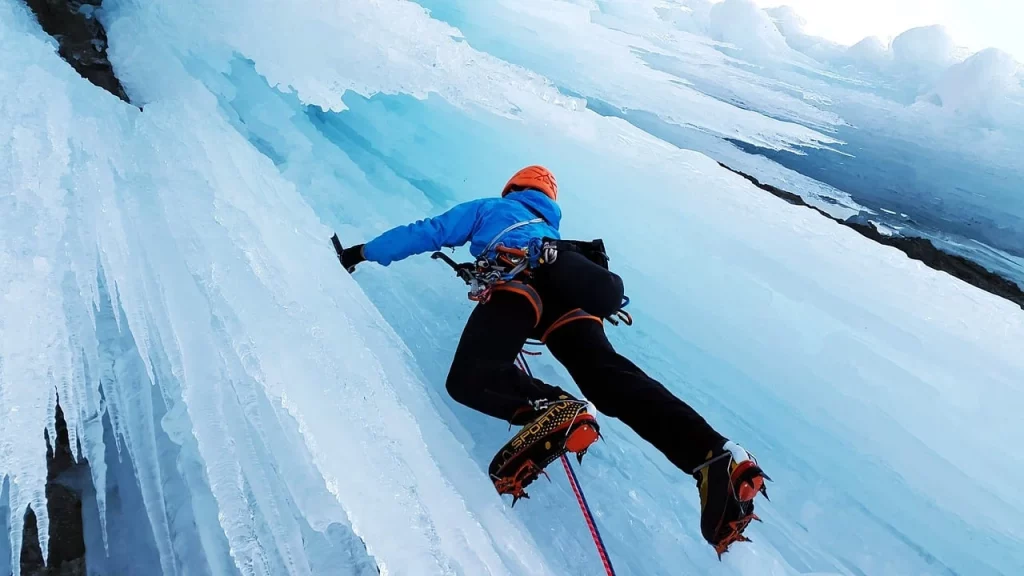
Appropriate gear is essential to ensure both safety and comfort. Depending on the activity, you may need specialized equipment, such as harnesses, helmets, ropes, climbing shoes, or wetsuits. For instance, mountaineers should invest in quality ice axes, crampons, and climbing ropes, while scuba divers need to ensure their equipment is well-maintained and up to current safety standards.
Beyond equipment for the activity itself, don’t forget to pack essential safety items like:
- First Aid Kit: Always carry a well-stocked first aid kit with you. This should include items like bandages, antiseptic, pain relievers, tweezers, and any medications specific to your needs.
- Navigation Tools: A map, compass, or GPS device is critical when venturing into unfamiliar territories. Make sure you are comfortable using them before your journey.
- Emergency Supplies: Depending on the environment, you may need to carry extra food, water, and shelter in case you get stranded or lost.
2. Physical Conditioning and Skill Development
Extreme adventures demand a high level of physical conditioning and skill. Whether you’re climbing, trekking, diving, or kayaking, your physical fitness will determine how well you handle the challenges ahead.
2.1. Conditioning for Strength and Endurance
Physical preparation for extreme activities should focus on building both strength and endurance. This might include strength training exercises, cardiovascular conditioning, flexibility routines, and sport-specific drills. For example:
- Mountain Climbing: Focus on building leg strength, core stability, and cardiovascular endurance. Hiking and climbing with weight on your back will improve your stamina.
- Scuba Diving: Cardio workouts, especially swimming and breath-holding exercises, will enhance your lung capacity and stamina, which are critical when diving at deep depths.
- Desert Exploration: Training in hot conditions (or using heat simulation training) can help your body adapt to high temperatures and improve your endurance in extreme heat.
2.2. Training for Specific Skills
In addition to physical conditioning, you should also work on the specific skills required for the activity. Whether it’s mastering a particular technique like ice climbing, understanding navigation skills for trekking in remote regions, or learning how to safely operate equipment such as ATVs or boats, skill development is crucial.
If you’re new to an activity, it’s highly recommended to take lessons or courses with an experienced instructor. This will ensure you gain the skills necessary to execute the activity safely. For example, attending a scuba diving course to get certified before diving in open water or taking a mountaineering class before attempting a challenging summit will reduce your risk of injury.
3. Understand and Manage Risks During the Adventure
Even with meticulous planning and training, extreme adventures come with inherent risks. Knowing how to manage those risks in real-time can be the difference between life and death.
3.1. Understand the Risks of the Activity
It’s essential to understand the specific risks associated with the activity you’re undertaking. For instance, extreme sports like rock climbing, skydiving, and white-water rafting carry a high risk of injury, but this risk can be minimized through training, equipment, and safety measures.
Before engaging in these activities, learn about the common injuries or accidents associated with the sport and how to avoid them. For instance, in rock climbing, falls are a common danger, so it’s important to know how to properly secure yourself with ropes and harnesses.
3.2. Take Precautions Against Environmental Dangers
Environmental dangers such as extreme temperatures, altitude sickness, dehydration, and hypothermia are common in many remote or rugged regions. Be mindful of these risks and take necessary precautions:
- Altitude Sickness: If you’re venturing into high-altitude environments, such as mountain expeditions, acclimatization is key. Gradual ascent and hydration are important strategies to prevent altitude sickness.
- Dehydration and Heatstroke: In hot environments, especially deserts, it’s essential to stay hydrated and protect yourself from the sun. Wear sunscreen, light clothing, and take regular breaks in shaded areas.
- Cold Weather Hazards: In cold environments, such as the Arctic or high-altitude mountains, frostbite and hypothermia are risks. Dress in layers, and make sure your clothing is waterproof and insulated.
3.3. Communication and Emergency Preparedness
Clear communication is vital when venturing into remote areas, where help may be far away or difficult to reach. Always have a communication plan in place, such as using satellite phones, two-way radios, or emergency beacons, especially in areas without cell phone reception.
- Buddy System: Never travel alone in extreme environments. Having a partner with you increases safety and ensures that help is available if something goes wrong.
- Emergency Action Plan: Make sure everyone involved in the adventure knows what to do in case of an emergency. This includes basic first aid procedures, evacuation routes, and signaling for help.
4. Respect for the Environment and Local Communities
Extreme adventure enthusiasts must not only be concerned with their safety but also with the environmental impact of their activities. Respect for the environment and the communities you encounter is vital.
4.1. Leave No Trace
Practicing responsible travel includes following Leave No Trace principles, such as packing out all trash, minimizing noise and disturbances, and respecting local wildlife. Extreme sports and outdoor exploration often take place in pristine wilderness areas that require special care and attention to preserve their natural beauty.
4.2. Cultural Sensitivity
In many remote regions, you may come into contact with indigenous communities. Be respectful of local customs, traditions, and ways of life. Avoid taking photographs without permission, and always seek to engage in a manner that promotes mutual respect and understanding.
5. Post-Adventure: Recovery and Reflection
After completing an extreme adventure, it’s important to take time for recovery, both physically and mentally. This could involve:
- Physical Recovery: Stretching, hydration, and rest are essential for muscle recovery after strenuous activity. Pay attention to any injuries or strains that need medical attention.
- Mental Recovery: Extreme adventures can be mentally exhausting. Reflecting on the experience, journaling, or talking with fellow adventurers can help process the emotions and thoughts associated with the journey.
Conclusion
Extreme adventures offer exhilarating experiences, but they also require thorough planning, physical conditioning, risk awareness, and respect for the environment. By following safety guidelines and remaining conscious of the potential hazards, you can maximize the thrill of your adventure while minimizing the risks. Ultimately, the key to enjoying a safe and successful extreme adventure lies in preparedness, awareness, and a commitment to responsible travel practices. Whether you are scaling mountains, diving into the ocean, or trekking through deserts, safety is the foundation upon which every great adventure is built.