








Introduction:
Southeast Asia has long been a favorite destination for travelers, renowned for its stunning landscapes, rich cultures, and vibrant cities. However, as tourism in the region becomes more commercialized, some of its most captivating and lesser-known spots are slipping under the radar. These hidden gems are often less crowded, more affordable, and offer a unique perspective on the region’s history, culture, and natural beauty.
This article takes you off the beaten path to explore the less-touristy destinations in Southeast Asia. Whether you’re seeking untouched beaches, secluded islands, remote villages, or historical treasures, Southeast Asia is full of destinations that offer a more intimate, authentic travel experience. In this article, we will uncover these hidden gems, helping you discover a new side of Southeast Asia that most tourists miss.
1. Why Seek Off-the-Beaten-Path Destinations in Southeast Asia?
Southeast Asia’s most famous destinations—such as Bangkok, Bali, and Ho Chi Minh City—attract millions of visitors each year. While these places are undoubtedly worth exploring, they can often feel crowded and commercialized, with long queues, inflated prices, and a lack of authenticity.
For travelers seeking peace, solitude, and more genuine interactions with locals, off-the-beaten-path destinations offer the opportunity to experience the real soul of Southeast Asia. Here are a few reasons why these less-visited places are worth considering:
Avoiding Overcrowded Tourist Spots
Many popular Southeast Asian destinations experience an overwhelming influx of tourists, especially during peak seasons. Lesser-known destinations often offer a welcome respite, allowing travelers to enjoy the sights without the throngs of people that can make more famous locations less enjoyable.
Cultural Authenticity
Tourists flock to major cities for their iconic landmarks, but these places often cater to international visitors, which can lead to the commercialization of local culture. By visiting off-the-beaten-path destinations, travelers can experience authentic traditions and local customs that haven’t been diluted by mass tourism.
Natural Beauty and Peace
Southeast Asia is home to diverse ecosystems—dense jungles, crystal-clear waters, and dramatic mountains. In less-visited regions, travelers can enjoy pristine landscapes that have yet to be spoiled by development or overcrowded resorts.
2. Hidden Gems in Southeast Asia: Off-the-Beaten-Path Destinations
Let’s explore some of the most captivating and lesser-known destinations in Southeast Asia that offer rich cultural experiences, stunning natural beauty, and opportunities for adventure.
1. Luang Prabang, Laos: A Cultural Haven
While Vientiane and Vang Vien have gained popularity in recent years, Luang Prabang remains one of Laos’s most tranquil and culturally rich cities. The city is a UNESCO World Heritage Site, known for its well-preserved architecture, traditional Buddhist temples, and serene landscapes.
- Why Visit: Nestled on the banks of the Mekong River, Luang Prabang offers visitors a chance to experience traditional Laotian culture, with ornate temples such as Wat Xieng Thong and Wat Mai, as well as the stunning natural beauty of the Kuang Si Falls.
- Local Experience: Wake up early to watch the daily alms-giving ceremony, where monks walk through the streets collecting offerings. Take a cooking class to learn how to prepare laap (a traditional Laotian salad) or explore local night markets for handmade crafts.
2. Kampot, Cambodia: A Slow-Paced Riverside Escape
While Siem Reap and Phnom Penh draw the majority of tourists in Cambodia, Kampot offers a slower-paced, off-the-radar escape. This riverside town is known for its picturesque landscapes, colonial architecture, and proximity to the Bokor National Park and the famous Kampot Pepper.
- Why Visit: Kampot is famous for its charming riverside views, the lush pepper plantations, and the nearby Kep beach. The town’s relaxed atmosphere and colonial French architecture make it an excellent place for a peaceful getaway.
- Local Experience: Take a boat ride along the Kampot River, explore the Bokor Hill Station, a French colonial ghost town, and taste the world-famous Kampot pepper in local dishes.
3. Sihanoukville’s Islands, Cambodia: Serenity in the Gulf of Thailand
While Sihanoukville has developed into a popular coastal destination, the small islands off its coast remain largely unspoiled. Islands like Koh Rong and Koh Rong Samloem offer crystal-clear waters, white sandy beaches, and vibrant coral reefs, perfect for diving and relaxation.
- Why Visit: These islands are a haven for travelers looking to escape the hustle and bustle of more commercialized beach resorts. Enjoy uninhabited beaches, private bungalows, and untouched marine life.
- Local Experience: Rent a kayak to explore hidden coves, hike through dense jungles, or go snorkeling to discover the rich underwater life. The beaches are perfect for those looking to relax away from the crowds.
4. Phong Nha-Kẻ Bàng National Park, Vietnam: A Cave Explorer’s Paradise
Vietnam’s Phong Nha-Kẻ Bàng National Park is a UNESCO World Heritage Site that is often overlooked by tourists heading to Hanoi or Ho Chi Minh City. This park is home to some of the world’s most impressive caves, including the Son Doong Cave, the largest cave in the world.
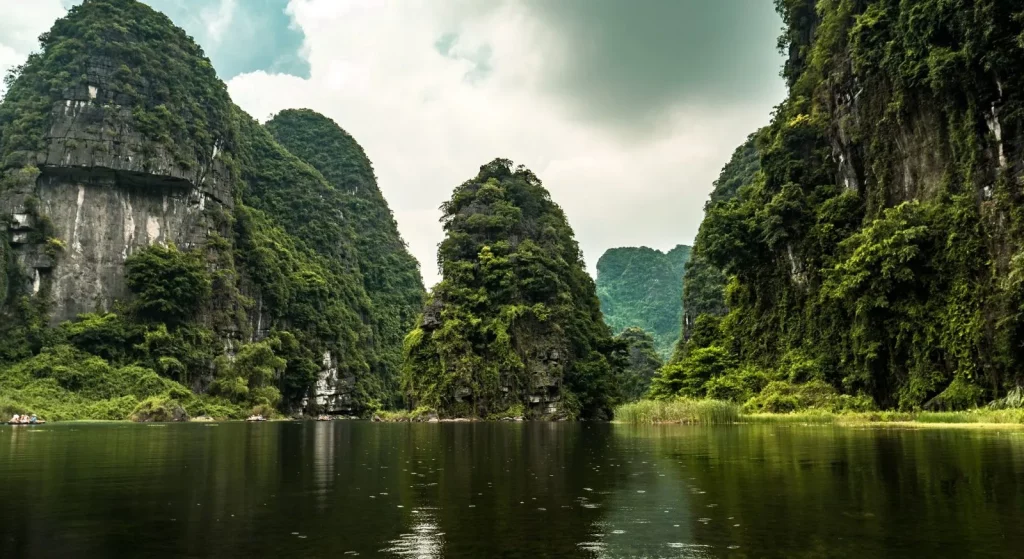
- Why Visit: Phong Nha is an adventurer’s dream, offering cave exploration, trekking, and kayaking through lush forests and river systems. It’s also an area of incredible biodiversity and natural beauty, with limestone mountains, waterfalls, and lush green valleys.
- Local Experience: Explore the impressive Phong Nha Cave, take a boat ride on the Son River, or visit the Paradise Cave. Those seeking more of a challenge can join an expedition to the remote Son Doong Cave.
5. Koh Lanta, Thailand: A Tranquil Island Escape
While Phuket and Krabi are famous for their beach resorts, Koh Lanta is a quieter alternative, offering an authentic Thai island experience without the mass tourism. The island is known for its laid-back atmosphere, beautiful beaches, and traditional fishing villages.
- Why Visit: Koh Lanta is perfect for those seeking a peaceful retreat amidst nature. The island is home to Lanta Old Town, with its traditional wooden houses, and the stunning Mu Koh Lanta National Park, which offers hiking trails, waterfalls, and pristine beaches.
- Local Experience: Visit the island’s sea gypsy villages, where you can learn about local fishing traditions, enjoy fresh seafood, and explore secluded beaches. Koh Lanta is also a great base for diving trips to the nearby Koh Haa and Koh Phi Phi.
6. The Cardamom Mountains, Cambodia: A Wilderness Adventure
The Cardamom Mountains are one of the most biodiverse regions in Southeast Asia and are still largely unexplored by tourists. This remote region, located in southwestern Cambodia, is home to jungles, rivers, and wildlife, including endangered species like the Indochinese tiger.
- Why Visit: The Cardamom Mountains are an adventure-lover’s paradise, offering opportunities for eco-tourism, trekking, wildlife spotting, and camping. The area remains largely undeveloped, ensuring a pristine wilderness experience.
- Local Experience: Trek through dense jungles, go kayaking on the Tatai River, and spot wildlife like wild elephants and monkeys. You can also visit the Tatai Waterfalls or stay in eco-lodges that promote sustainable tourism practices.
3. Tips for Exploring Off-the-Beaten-Path Destinations in Southeast Asia
Traveling to lesser-known destinations can offer an enriching and authentic experience, but it’s important to plan carefully to ensure a smooth and enjoyable journey.
1. Research and Plan Ahead
Many off-the-beaten-path destinations in Southeast Asia require more effort to reach, so be sure to do your research in advance. Look up transportation options, local accommodations, and activities available in the region. Sometimes, visiting these places may require longer travel times or booking in advance, especially during the low tourist season.
2. Respect Local Cultures and Traditions
When visiting less touristy regions, it’s essential to be respectful of local customs and traditions. Some areas may have different social norms, and understanding these cultural differences will help ensure a positive experience for both you and the locals.
3. Be Prepared for Basic Amenities
While many off-the-beaten-path destinations offer incredible natural beauty and unique experiences, they may lack the amenities and services found in larger tourist hubs. Be prepared for basic accommodations, limited internet access, and fewer dining options.
4. Be Mindful of the Environment
Many hidden gems in Southeast Asia are off the radar because they are pristine and unspoiled. As responsible travelers, it’s essential to practice eco-tourism and leave no trace. Respect nature, avoid littering, and support businesses that prioritize sustainability.
4. Conclusion
Southeast Asia is a treasure trove of hidden gems, offering travelers the chance to explore unique and authentic destinations away from the crowds. From the tranquil riverside town of Kampot to the pristine beaches of Koh Rong, the region is brimming with opportunities for adventure, cultural immersion, and natural beauty.
By venturing off the beaten path, you not only avoid the commercialization of more famous destinations but also gain a deeper appreciation for the diverse cultures and landscapes that Southeast Asia has to offer. Whether you’re exploring remote caves in Vietnam, hiking through the Cardamom Mountains of Cambodia, or enjoying the peaceful beaches of Koh Lanta, these lesser-known destinations promise a truly enriching travel experience.