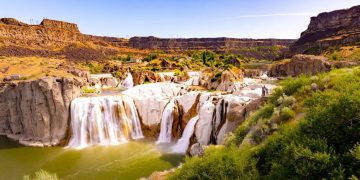









In an era where the world is more connected than ever before, the desire to experience unique, untouched, and pristine environments is becoming a significant draw for modern travelers. While cultural exploration and historical sites have long been the primary focus of travel, a growing number of travelers are turning their attention to nature’s hidden gems—remote, secluded destinations that are far off the beaten path. These untouched landscapes offer travelers an opportunity to experience the raw beauty of the world, away from the crowds and the commercialization of traditional tourist spots.
Secluded natural destinations can range from remote islands and deep jungle reserves to isolated mountains and hidden valleys. The allure of these places lies not only in their untouched beauty but also in the sense of discovery and tranquility they offer. For many, these journeys provide a much-needed escape from the fast-paced modern world and offer a chance to reconnect with nature in its purest form.
This article will explore the rising trend of exploring secluded natural destinations, the reasons behind this growing interest, and the impact such travel has on both the environment and the traveler. We will examine some of the world’s most remote and pristine natural places that are attracting intrepid travelers, while also addressing the ethical considerations involved in such travel.
The Allure of Secluded Natural Destinations
1. Escaping the Crowds
In recent decades, many of the world’s most popular tourist destinations have become overcrowded, with millions of travelers flocking to landmarks like the Eiffel Tower, the Great Wall of China, or Machu Picchu. While these sites undoubtedly hold historical and cultural significance, their mass popularity often detracts from the very experiences that travelers seek. Long lines, overcrowded spaces, and the commercialization of once-authentic destinations can leave travelers feeling disconnected from the essence of the place.
Secluded natural destinations, in contrast, offer an antidote to this. These off-the-beaten-path spots provide the opportunity to immerse oneself in natural surroundings without the distractions of large crowds. For those seeking solitude, serenity, and the ability to connect with nature on a deeper level, these destinations provide an unrivaled experience. Whether it’s hiking to a remote mountain lake or camping on a secluded beach, the ability to enjoy these spaces in peace and quiet is a major draw for many travelers.
2. The Call of Unspoiled Beauty
The natural world is full of awe-inspiring beauty, much of which remains relatively undiscovered or unexplored. The appeal of secluded natural destinations lies in their untouched and unspoiled landscapes. From dense rainforests to vast deserts, remote valleys to pristine lakes, these destinations offer an opportunity to witness nature in its most pure and authentic form.
In many ways, these destinations allow travelers to step back in time and experience the earth as it was before human development took its toll. The sight of towering cliffs, ancient trees, or wildlife thriving in their natural habitat evokes a sense of wonder and reverence that is often lost in heavily touristed areas. These experiences provide a deeper connection to the planet and its ecosystems, making them all the more meaningful.
3. Reconnecting with Nature
For many modern travelers, a trip to a secluded natural destination represents more than just a vacation—it’s a journey back to their roots. In a world increasingly dominated by technology, urbanization, and busy lifestyles, people are seeking meaningful ways to reconnect with the natural world. Secluded destinations offer the chance to unplug, slow down, and engage in outdoor activities that promote mindfulness and well-being.
Whether it’s hiking through remote national parks, kayaking in hidden coves, or simply sitting in silence in the midst of an ancient forest, these experiences encourage travelers to cultivate a deeper relationship with nature. This reconnection is not only rejuvenating for the body but also for the mind, providing clarity, peace, and a sense of renewal.
Why Secluded Natural Destinations Are Gaining Popularity
1. Increased Awareness of Environmental Conservation
As climate change and environmental degradation become more pressing issues, there is a growing awareness among travelers about the importance of conservation. Many are seeking destinations where they can experience nature while also contributing to its preservation. Secluded natural destinations, particularly those in fragile ecosystems, are often less commercialized and better protected from overdevelopment. Travelers are increasingly choosing destinations that promote eco-tourism and conservation efforts, supporting local communities and conservation initiatives.
For example, some remote destinations offer opportunities for travelers to participate in conservation programs, such as wildlife monitoring, habitat restoration, or sustainable farming practices. By visiting these destinations, travelers not only gain a deeper appreciation for the environment but also contribute directly to its preservation.
2. The Rise of Adventure Tourism
Adventure tourism is another factor driving the demand for secluded natural destinations. As travelers seek more active, engaging experiences, remote destinations that offer unique outdoor activities—such as trekking, mountaineering, scuba diving, or wildlife safaris—are gaining in popularity. These destinations provide an opportunity to push physical and mental boundaries while also offering an authentic, immersive experience in nature.
Regions like Patagonia, the Himalayas, and the Galápagos Islands attract adventure travelers with their rugged landscapes and unparalleled opportunities for exploration. Whether it’s summiting a mountain peak, exploring hidden caves, or trekking through dense jungle, adventure tourism allows travelers to experience nature in a way that is both physically demanding and rewarding.
3. The Desire for Authenticity and Isolation
In an age where everything is accessible online and mass-produced experiences dominate the travel industry, many travelers are seeking authenticity and a sense of isolation. Secluded natural destinations offer the perfect antidote to the ubiquitous tourist experience. These places are often free from commercialized tourist traps and offer a more authentic experience of local culture, wildlife, and the natural world.
In some cases, travelers are even willing to forgo modern amenities in exchange for a more immersive experience in nature. Remote mountain huts, isolated beach resorts, and primitive camping trips offer a way to disconnect from technology and reconnect with the simplicity of life. For some, the lack of internet or mobile phone service is an essential part of the experience—an opportunity to truly disconnect and immerse themselves in their surroundings.
Top Secluded Natural Destinations for Travelers
1. Patagonia, Argentina and Chile
Patagonia, located at the southern tip of South America, is one of the most remote and stunning natural regions in the world. Its vast landscapes, including towering mountains, expansive glaciers, and windswept plains, provide a playground for nature lovers and adventure travelers alike. The region is home to iconic national parks such as Torres del Paine and Los Glaciares, where visitors can hike, trek, and explore some of the most pristine wilderness areas on Earth.
Patagonia remains largely untouched by mass tourism, making it an ideal destination for those seeking isolation and natural beauty. The region’s rugged terrain also offers unique opportunities for wildlife observation, with species like guanacos, pumas, and condors inhabiting the area.
2. The Amazon Rainforest, Brazil and Peru
The Amazon Rainforest is one of the most biodiverse places on Earth, and much of it remains largely unexplored by modern civilization. For travelers looking for a truly remote and immersive natural experience, the Amazon offers an unparalleled opportunity to venture deep into one of the world’s last frontiers. Whether you explore the rainforest by boat or embark on guided treks through the dense jungle, a trip to the Amazon provides a unique opportunity to witness rare wildlife, pristine ecosystems, and indigenous cultures that have lived in harmony with nature for centuries.
While parts of the Amazon are under threat from deforestation, responsible eco-tourism and conservation initiatives are helping to protect the region. Many tours and lodges in the Amazon work with local communities to ensure that visitors have a minimal environmental impact while still experiencing the wonders of the rainforest.
3. Svalbard, Norway
Located between Norway and the North Pole, Svalbard is a remote archipelago known for its dramatic Arctic landscapes. Home to polar bears, reindeer, and a host of seabirds, Svalbard offers travelers the chance to experience the Arctic wilderness in a truly remote setting. Visitors can explore glaciers, icebergs, and pristine fjords, and even go dog-sledding or ice-caving.
Svalbard’s isolation makes it an ideal destination for those seeking solitude in one of the most extreme environments on Earth. The stark beauty of the region and its wildlife make it a dream destination for those interested in eco-tourism, wildlife photography, or adventure travel.
4. New Zealand’s Fiordland National Park
Fiordland National Park, located on New Zealand’s South Island, is home to some of the country’s most breathtaking natural beauty. With its fjords, waterfalls, and mountain peaks, Fiordland is one of the most scenic—and secluded—destinations in the world. The park is home to the famous Milford Sound and Doubtful Sound, two fjords that offer some of the most stunning and tranquil landscapes in the Southern Hemisphere.
Travelers can hike the Milford Track, known as one of the finest walks in the world, or take a boat tour through the fjords to experience this pristine wilderness. The region’s isolation and lack of commercialization make it an ideal destination for those seeking an immersive and peaceful natural experience.
Ethical Considerations for Traveling to Secluded Natural Destinations
While visiting secluded natural destinations can be an incredibly rewarding experience, it is important for travelers to approach such trips with responsibility and respect for the environment. Many of these destinations are fragile ecosystems that are easily disrupted by human activity. Eco-tourism practices, responsible travel, and conservation efforts are crucial in ensuring that these places remain protected for future generations.
Before visiting secluded destinations, travelers should:
- Research the environmental impact of tourism in the area.
- Support eco-friendly accommodations and sustainable practices.
- Avoid disturbing local wildlife or ecosystems.
- Respect indigenous cultures and traditions.
- Consider offsetting carbon emissions or donating to local conservation projects.
Conclusion: A New Era of Travel
As travelers increasingly seek out secluded natural destinations, there is a growing recognition of the importance of preserving the planet’s most pristine and untouched environments. These off-the-beaten-path destinations provide an opportunity to explore nature in its purest form, while also fostering a deeper connection to the planet.
For those willing to venture into remote areas, the rewards are immense: breathtaking landscapes, rare wildlife encounters, and the profound sense of tranquility that only nature can provide. However, it is crucial that this new era of travel is approached with care, responsibility, and a commitment to protecting the natural world for future generations.