









In recent decades, adventure tourism has evolved beyond conventional travel, giving rise to a global fascination with extreme adventures. Travelers today are no longer content with passive sightseeing; they seek experiences that challenge physical limits, ignite adrenaline, and offer profound personal transformation. From scaling towering mountains to diving into the unexplored depths of the ocean, extreme adventures now encompass a wide range of activities that push the boundaries of human endurance and courage.
The rise of extreme adventures is driven by several factors, including advancements in safety technology, the growing popularity of social media showcasing daring feats, and an increasing desire among individuals to step outside their comfort zones. This trend is not only reshaping the tourism industry but also influencing lifestyle choices, personal development, and the perception of risk and reward in contemporary society.
This article explores the emergence of extreme adventures, the psychological and physical motivations behind them, and the key destinations and activities that define this growing trend. We will examine both mountain-based and ocean-based adventures, highlighting the unique challenges and transformative experiences they offer.
The Evolution of Extreme Adventure Tourism
Adventure tourism is not a new concept, but the modern interpretation of extreme adventures differs significantly from traditional exploration. Historically, adventure was largely the domain of explorers and scientists who traveled to uncharted territories for discovery. Today, adventure tourism is a highly commercialized and accessible sector, with activities designed to offer controlled risk and heightened excitement while prioritizing participant safety.
1. From Traditional Adventure to Extreme Experiences
Traditional adventure travel typically included activities like hiking, camping, and basic mountaineering. Modern extreme adventures, however, take risk and challenge to unprecedented levels. Skydiving, ice climbing, big-wave surfing, deep-sea diving, and base jumping are no longer niche pursuits—they have become aspirational goals for thrill-seekers worldwide.
Technological advancements have played a significant role in enabling these experiences. Lightweight climbing gear, advanced diving suits, GPS navigation, and high-tech safety equipment allow participants to venture further and tackle more demanding environments than ever before. These innovations have transformed extreme adventure from a risky, specialized activity into an increasingly mainstream form of travel.
2. The Role of Media and Social Influence
Social media has amplified the appeal of extreme adventures by showcasing breathtaking feats to a global audience. Platforms such as Instagram, YouTube, and TikTok allow adventurers to share their experiences in real-time, inspiring others to pursue similar challenges. Viral videos of high-altitude mountain climbs, underwater cave explorations, and cliff diving stunts have created a culture that celebrates risk, skill, and daring.
The influence of media also extends to the rise of extreme adventure tourism companies, which now offer guided experiences, training programs, and immersive adventure packages to cater to this growing demand. This professionalization ensures that extreme experiences are safer, more accessible, and structured, without diminishing the thrill and sense of accomplishment.
Psychological Motivations Behind Extreme Adventures
Extreme adventures are more than just physical challenges—they fulfill profound psychological and emotional needs. Understanding these motivations helps explain why this form of travel is gaining widespread popularity.
1. The Pursuit of Flow and Peak Experiences
Psychologists describe “flow” as a state of complete immersion in an activity, where time seems to stand still, and individuals experience heightened focus and fulfillment. Extreme adventures often induce this state by presenting challenges that demand full concentration, skill, and adaptability. Climbing a vertical ice wall, navigating turbulent rapids, or exploring a deep-sea cavern requires participants to be fully present, resulting in intense, memorable experiences.
Similarly, extreme adventures often offer “peak experiences,” moments of profound awe and exhilaration that leave lasting psychological impressions. The combination of physical challenge, environmental beauty, and the sense of overcoming fear produces emotional highs that are difficult to replicate in everyday life.
2. Testing Limits and Building Resilience
Many participants are motivated by a desire to test personal limits and develop resilience. Extreme adventures confront individuals with uncertainty, discomfort, and risk, requiring them to adapt, problem-solve, and persevere. Successfully completing these challenges often leads to increased self-confidence, a greater sense of personal achievement, and improved coping mechanisms for handling stress in daily life.
For instance, summiting a high-altitude peak demands meticulous preparation, physical endurance, and mental fortitude. Likewise, surviving a deep-sea dive in complex underwater conditions requires both skill and composure. The lessons learned in these extreme environments frequently translate to broader life skills and enhanced resilience.
3. Connection with Nature and the Sublime
Extreme adventures often take place in remote, pristine natural environments, providing a unique opportunity to experience the sublime—the sense of awe inspired by nature’s vastness, beauty, and power. Mountains, glaciers, underwater caves, and storm-swept coastlines offer immersive encounters with natural forces that are humbling, exhilarating, and transformative.
This connection with nature is both a psychological and spiritual draw. Travelers report feeling a profound sense of peace, perspective, and interconnectedness when engaging with extreme landscapes, whether gazing at a vast mountain range or descending into the deep blue ocean.
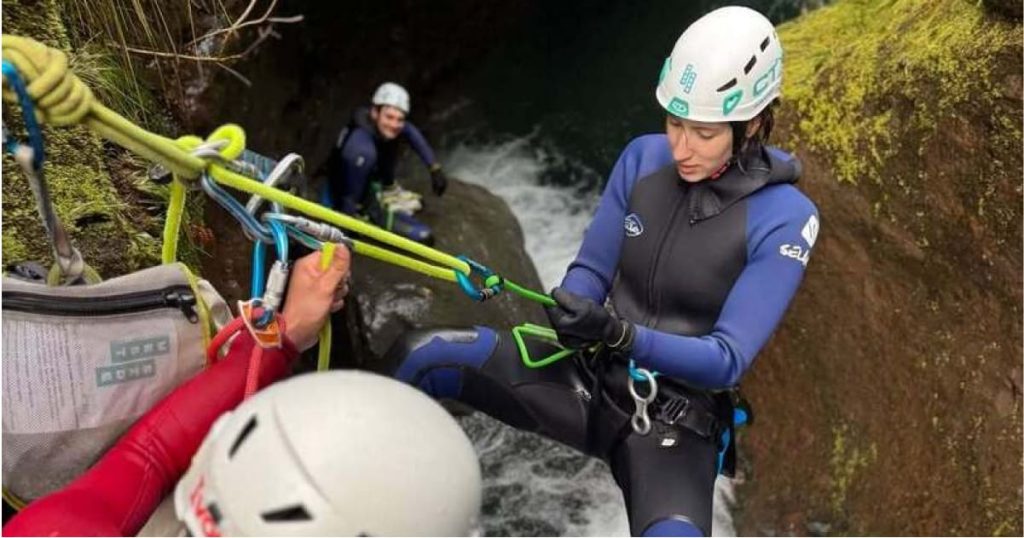
Extreme Adventures in Mountain Environments
Mountains have long symbolized the ultimate challenge in human exploration. Today, they remain central to the extreme adventure movement, attracting climbers, trekkers, and adrenaline seekers from around the world.
1. High-Altitude Mountaineering
High-altitude mountaineering is one of the most demanding forms of extreme adventure. Peaks such as Mount Everest, K2, and Denali challenge climbers with harsh weather, altitude sickness, and technical terrain. Despite the inherent risks, high-altitude mountaineering continues to attract adventurers seeking unparalleled achievement and personal transformation.
The allure of mountaineering lies in its combination of physical exertion, mental discipline, and breathtaking landscapes. Each ascent presents unique obstacles, requiring careful planning, technical skill, and teamwork. The sense of accomplishment upon reaching the summit is often described as life-changing, reinforcing the psychological draw of mountain adventures.
2. Ice Climbing and Glacier Exploration
Ice climbing and glacier exploration provide a unique form of extreme adventure, demanding both technical skill and environmental awareness. Climbers navigate vertical ice formations, frozen waterfalls, and glacial crevasses, often in remote and challenging environments. The combination of physical exertion, mental focus, and visual splendor creates a compelling and memorable experience.
Regions such as the European Alps, Patagonia, and the Canadian Rockies are renowned for their ice climbing opportunities, offering both guided and independent expeditions. Beyond the thrill, ice climbing encourages participants to engage with fragile mountain ecosystems responsibly and sustainably.
3. Paragliding, BASE Jumping, and High-Altitude Aerial Sports
For those seeking extreme adventure from a bird’s-eye perspective, aerial sports offer unparalleled excitement. Paragliding, BASE jumping, and wingsuit flying allow participants to navigate cliffs, mountain ridges, and deep valleys at high speeds. These activities combine skill, courage, and precise judgment, offering experiences that are both exhilarating and awe-inspiring.
Technological advancements in safety equipment and training have made these activities more accessible, allowing more travelers to engage in extreme aerial adventures without compromising safety.
Extreme Adventures in Ocean and Aquatic Environments
While mountains test the limits of altitude and endurance, the ocean presents a different set of challenges—pressure, darkness, and the unpredictability of underwater ecosystems. Extreme ocean adventures attract divers, surfers, and explorers seeking both thrill and discovery.
1. Deep-Sea Diving and Technical Exploration
Deep-sea diving represents the ultimate challenge in underwater exploration. Technical dives to wrecks, caves, and extreme depths require advanced training, specialized equipment, and meticulous planning. Divers confront physical risks such as decompression sickness, nitrogen narcosis, and equipment failure, making preparation and skill essential.
Regions such as the Blue Hole in Belize, the Great Barrier Reef, and the cenotes of Mexico offer unique opportunities for exploration. Divers encounter rarely seen marine life, submerged geological formations, and historic shipwrecks, creating an immersive and unforgettable adventure.
2. Big-Wave Surfing and Extreme Water Sports
For adrenaline seekers, big-wave surfing, kiteboarding, and extreme white-water kayaking provide high-stakes aquatic adventures. Giant waves, turbulent rivers, and storm-driven seas test participants’ skill, reflexes, and courage. The combination of physical exertion, unpredictability, and danger makes these sports a pinnacle of extreme adventure tourism.
Famous destinations for big-wave surfing include Nazaré in Portugal, Mavericks in California, and Teahupo’o in Tahiti. These locations attract elite surfers who seek to push the boundaries of human capability and experience the raw power of nature.
3. Polar and Remote Ocean Expeditions
Polar regions and remote oceanic environments offer extreme adventure opportunities that are both physically demanding and logistically complex. Ice diving in Antarctica, kayaking in the Arctic Circle, and multi-day ocean expeditions challenge participants with extreme temperatures, isolation, and rapidly changing conditions.
These adventures also highlight the fragility of remote ecosystems, emphasizing the importance of responsible exploration and conservation.
The Future of Extreme Adventure Tourism
The popularity of extreme adventure tourism is expected to continue rising, driven by technological innovation, increased accessibility, and a growing desire for meaningful experiences. Emerging trends include:
- Virtual and augmented reality training: Allowing participants to prepare for extreme conditions safely.
- Eco-conscious adventure tourism: Combining adrenaline experiences with environmental stewardship.
- Adventure wellness programs: Integrating extreme activities with mindfulness and personal growth.
- Cross-disciplinary expeditions: Combining mountaineering, diving, and aerial sports in multi-environment challenges.
As the industry grows, balancing thrill with safety, environmental responsibility, and respect for local communities will be critical to ensuring sustainable extreme adventure tourism.
Conclusion: Beyond Limits, Into Transformation
The rise of extreme adventures—from towering mountains to the depths of the oceans—reflects a universal human desire to challenge oneself, explore the unknown, and connect with nature at its most raw and powerful. These experiences push the boundaries of physical and mental endurance, offering not only thrill but also profound personal transformation.
Extreme adventures teach resilience, foster courage, and deepen appreciation for the natural world. They provide an avenue for self-discovery and human connection while highlighting the delicate balance between adventure and environmental stewardship. In an era where experiences are increasingly valued over possessions, the appeal of extreme adventure is set to grow, inspiring a new generation of explorers to test their limits and embrace the extraordinary.