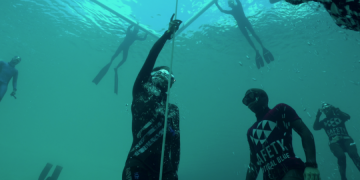









In recent years, deep-sea exploration has shifted from a scientific pursuit to a high-adrenaline activity that attracts extreme sports enthusiasts around the world. Once the domain of researchers and explorers, the depths of the ocean are now becoming a playground for those looking to push the limits of human endurance, courage, and technology. The allure of exploring one of the planet’s final frontiers is irresistible for adventurers and thrill-seekers, eager to experience the mysteries of the deep and the adrenaline rush of underwater exploration.
This article takes a deep dive into the world of deep-sea exploration as an extreme sport. It will explore the evolution of underwater adventure, the technology that makes it possible, the dangers and risks involved, and the profound experiences that draw athletes to the ocean’s abyss.
1. The Fascination with the Deep Sea: A Natural Frontier for Exploration
1.1 The Ocean: Earth’s Final Frontier
The ocean covers more than 70% of the Earth’s surface, yet we have explored only a fraction of its depths. While human history has been defined by exploration—whether it be the discovery of new lands or the conquest of the skies—the ocean has remained a vast, largely uncharted territory. The challenge of venturing into the deep sea has been a longstanding fascination, with the greatest mysteries still lying beneath the waves.
For centuries, humanity has been captivated by the ocean’s beauty, power, and mystery. From ancient legends of sea monsters to modern scientific endeavors, the depths of the ocean have intrigued and terrified those who seek to understand it. With the advent of more sophisticated technologies, what was once a realm of imagination has become an accessible reality for extreme adventurers.
1.2 The Rise of Deep Sea Exploration as a Sport
Historically, deep-sea exploration was reserved for scientists and military professionals. However, with advancements in technology and a growing thirst for adventure, the world’s oceans have become a destination for extreme sports enthusiasts. Activities such as deep-sea diving, submersible expeditions, and underwater cave exploration have gained popularity in recent years, transforming ocean exploration into a thrilling and dangerous pursuit for thrill-seekers.
The first breakthroughs in deep-sea exploration came in the mid-20th century, with innovations like the bathysphere, a spherical diving vessel, and later the development of submarines capable of reaching great depths. These technologies allowed explorers to venture further into the depths of the ocean, bringing back incredible discoveries of marine life, ecosystems, and submerged landscapes.
Now, the deep-sea is no longer just the domain of researchers—extreme sports enthusiasts are diving into this aquatic world for the thrill, challenge, and the opportunity to witness the uncharted wonders beneath the surface.
2. The Thrill of Underwater Exploration: Activities for Extreme Sports Enthusiasts
2.1 Deep-Sea Diving: The Gateway to the Abyss
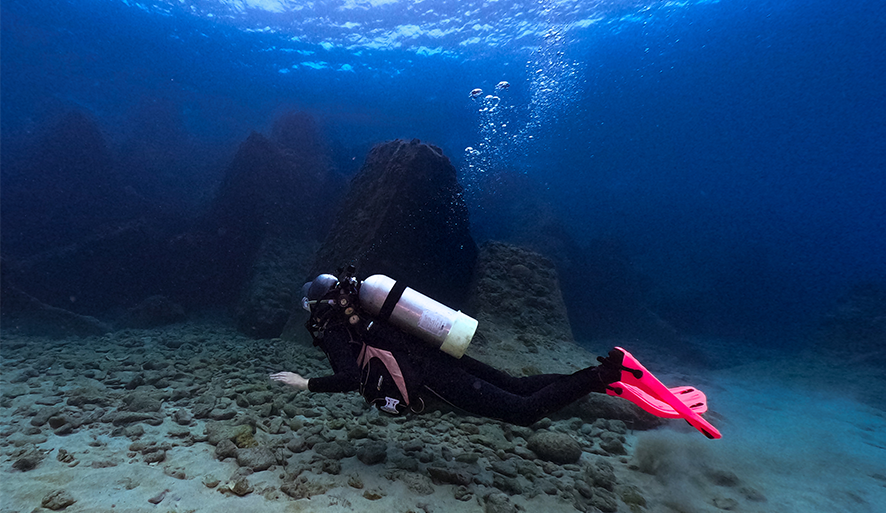
One of the most popular forms of deep-sea exploration among extreme sports enthusiasts is deep-sea diving. Scuba diving, which allows individuals to descend to significant depths with the use of pressurized tanks and diving equipment, is already well-established as a sport. However, deep-sea diving pushes these limits even further, often involving dives to depths of 200 meters (656 feet) or more, where specialized equipment and advanced techniques are required.
The allure of deep-sea diving is the ability to explore underwater ecosystems that remain hidden from the public eye. Divers venture into dark, often silent worlds, encountering marine life that few people have ever seen. This level of exploration requires meticulous preparation, expert knowledge, and a high level of fitness. Beyond the excitement of encountering marine life such as sharks, rays, and whales, divers also have the opportunity to explore submerged shipwrecks, caves, and coral reefs.
2.2 Submersible Expeditions: Taking Exploration to New Depths
While recreational divers can only go so deep, submersible expeditions allow people to explore the ocean’s deepest regions in a more controlled environment. These small, highly specialized submarines are designed to withstand the immense pressure found at depths of up to 10,000 meters (32,808 feet)—the kind of depths where the ocean floor begins to resemble an alien landscape.
In recent years, private expeditions have begun to offer civilians the opportunity to experience deep-sea exploration via submersible. These luxury adventures are aimed at those seeking an extreme experience without the limitations of physical diving. For example, the renowned explorer James Cameron made headlines in 2012 when he completed a solo dive to the bottom of the Mariana Trench, the deepest point on Earth, using the submersible Deepsea Challenger. This groundbreaking achievement brought the possibilities of deep-sea exploration to the forefront of public imagination.
These submersible expeditions offer a unique opportunity to witness the abyssal plains, hydrothermal vents, and bioluminescent organisms that thrive at extreme depths. For extreme sports enthusiasts, this is the ultimate adventure—visiting a world few humans have ever seen.
2.3 Underwater Cave Diving: Conquering the Hidden Depths
For the more daring explorers, underwater cave diving presents one of the most challenging and extreme forms of deep-sea exploration. Unlike traditional open-water diving, cave diving requires specialized training and equipment due to the confined spaces, challenging visibility, and unpredictable conditions. Caves can stretch for miles beneath the Earth’s surface, leading divers through labyrinthine passages that twist and turn, sometimes at depths greater than 100 meters (328 feet).
Cave diving is not for the faint of heart. It demands excellent physical conditioning, a deep understanding of diving principles, and the ability to manage risk in life-threatening environments. However, those who undertake these challenges are often rewarded with surreal experiences—encountering formations such as stalactites, stalagmites, and crystal-clear waters in some of the most isolated and visually stunning underwater environments on Earth.
3. The Challenges and Dangers of Deep-Sea Exploration
3.1 Pressure and Depth: The Ultimate Environmental Challenge
One of the most significant challenges of deep-sea exploration is the immense pressure that increases the deeper one goes. At 200 meters (656 feet), the pressure is roughly 20 times that of sea level, and at extreme depths such as the Mariana Trench, it can exceed 1,000 times sea-level pressure. This immense force can crush divers’ bodies and damage equipment if not designed to withstand such conditions.
To overcome this, deep-sea explorers use specialized technology such as reinforced submersibles, pressurized suits, and dive equipment that can endure these extreme forces. Additionally, divers must be meticulously trained to handle deep dives, including the risks of decompression sickness and nitrogen narcosis, which can impair judgment and physical performance at greater depths.
3.2 Lack of Visibility: The Darkness of the Deep
The deep ocean is pitch black, and in many places, light does not penetrate beyond a few hundred meters. This lack of natural light creates challenges for both divers and submersible operators. Without proper lighting, it becomes difficult to navigate, locate objects of interest, and monitor the environment for potential dangers.
Underwater lighting systems are therefore essential for deep-sea exploration. Modern submersibles and diving gear come equipped with powerful, specialized lights capable of illuminating the dark abyss. However, the darkness still contributes to the psychological and physical challenge of the sport, as divers must often rely on their limited vision and technical skill to navigate the unknown.
3.3 Isolation and Risk of Accidents
The remote and isolated nature of deep-sea exploration means that help is often hours or even days away in the event of an emergency. Divers and submersible operators must be entirely self-sufficient, with extensive contingency plans in place for potential accidents. Additionally, the risk of technical failure is ever-present, as even small malfunctions can have dire consequences when dealing with the extremes of deep-sea pressure, cold, and isolation.
For those involved in extreme underwater sports, proper preparation and the ability to handle emergencies are vital. This includes having redundant equipment, understanding emergency protocols, and being able to perform self-rescue if necessary.
4. The Rewards: Why Deep-Sea Exploration Appeals to Extreme Sports Enthusiasts
4.1 The Adventure of Exploring the Unknown
The primary appeal of deep-sea exploration lies in its uncharted nature. The ocean depths remain one of the last truly unknown frontiers on Earth, and the opportunity to explore this alien world is both humbling and exhilarating. Extreme sports enthusiasts are drawn to the challenge of venturing into a world where few humans have ever set foot, and where discovery is as likely as danger.
For many, the allure lies not only in the exploration itself but in the possibility of encountering unique and unknown species, submerged ecosystems, and ancient geological formations that offer a glimpse into the planet’s history.
4.2 A Sense of Accomplishment and Pushing Human Limits
Completing a deep-sea expedition is not just an adventure—it’s a monumental achievement. The risks involved in extreme underwater sports, combined with the physical and mental endurance required to undertake these activities, make success in deep-sea exploration a truly rewarding experience. Many deep-sea explorers speak of the transformative effect that venturing into the abyss has on their perceptions of human potential and the natural world.
For extreme sports enthusiasts, the challenge of overcoming their fears, pushing their physical limits, and venturing into an unknown and often hostile environment is a powerful motivator. The rewards come not only from the thrill of the experience but from the personal growth that occurs when one faces such challenges.
Conclusion: The Future of Deep-Sea Exploration as an Extreme Sport
Deep-sea exploration has evolved into one of the most captivating and extreme sports of the modern era. With advanced technology and a growing appetite for adventure, more and more enthusiasts are venturing into the abyss, seeking the thrills, challenges, and rewards that come with exploring the unknown.
As technology continues to improve, making deep-sea exploration more accessible and safe, we can expect even greater numbers of extreme sports enthusiasts to take the plunge into the deep. The ocean’s mysteries remain largely unexplored, and the future of underwater exploration promises to be filled with new discoveries, breathtaking experiences, and unparalleled adventures.