









The human desire to explore and conquer the unknown has always been a driving force behind adventure and exploration. From the vast, barren wildernesses of the world to the dense and treacherous jungles, survival challenges have long fascinated adventurers, survivalists, and thrill-seekers. These survival challenges push individuals beyond their physical and mental limits, testing their ability to thrive in environments that are far from hospitable. In recent years, these challenges have grown in popularity, with many individuals eager to embrace the raw, primal instincts required to survive in some of the most hostile environments on Earth.
This article delves into the world of wilderness and jungle survival challenges, exploring what makes these environments so difficult, what skills are essential for survival, and why these experiences have become a thrilling pursuit for modern explorers.
1. The Appeal of the Wild: Why Surviving in the Wilderness and Jungle is Fascinating
1.1 The Primal Desire for Adventure
Throughout history, humans have been drawn to the wild—whether it be the vast deserts, towering mountains, or dense jungles. The allure of the unknown, coupled with the desire to test one’s physical and mental strength, has spurred adventurers to venture into some of the most inhospitable regions of the world.
The rise of survival challenges is a natural extension of this primal desire. In an era where modern conveniences and technology often disconnect us from nature, many individuals seek the opportunity to reconnect with the earth in its rawest form. Wilderness and jungle survival challenges, with their focus on self-sufficiency, adaptability, and resilience, offer participants the opportunity to reclaim this primal connection and test their endurance against the forces of nature.
1.2 The Adventure of the Unknown: A Psychological Push
Exploring remote, hostile environments like the wilderness or jungle provides a unique psychological challenge. These environments often carry an element of danger, whether it be extreme weather conditions, the presence of dangerous wildlife, or the difficulty of finding food and water. This psychological challenge is part of what makes these survival experiences so compelling for adventurers.
Survival challenges demand not just physical strength, but mental fortitude as well. The ability to maintain clarity of thought under duress, to make critical decisions with limited resources, and to stay focused on survival goals are all psychological traits that are tested in the wilderness. Overcoming these challenges can provide a sense of profound accomplishment and an unparalleled connection with both nature and self.
2. The Harsh Realities of Wilderness and Jungle Environments
2.1 Wilderness Survival: Confronting the Elements
The wilderness can encompass many different types of landscapes, from forests and tundras to deserts and mountains. Each of these environments presents its own set of survival challenges, but all share common traits—harsh weather conditions, scarce resources, and isolation. Whether it’s the freezing temperatures of the Arctic tundra or the scorching heat of the desert, survival in the wilderness demands a deep understanding of nature and the ability to adapt to changing conditions.
- Temperature Extremes: One of the most challenging aspects of wilderness survival is dealing with extreme temperatures. Freezing cold or intense heat can quickly lead to hypothermia, dehydration, or heatstroke if proper precautions are not taken. Ensuring that one’s shelter is insulated or having access to water becomes a critical survival skill in extreme conditions.
- Isolation and Self-Sufficiency: In many wilderness survival challenges, adventurers are alone or in small groups, far from any human settlements. The ability to make shelter, start a fire, find food, and purify water without relying on modern technology is key to survival in these remote locations.
- Navigating Dangerous Terrain: Wilderness environments can be treacherous, with steep cliffs, unpredictable weather, and the risk of getting lost. Wilderness explorers must have strong navigation skills, whether they’re using a compass, reading a map, or relying on the position of the sun to guide their way.
2.2 Jungle Survival: Confronting the Wildest Terrain
Jungle environments present a unique set of challenges compared to wilderness exploration. The dense vegetation, humidity, and diversity of dangerous wildlife make jungle survival both physically demanding and mentally taxing. The thick foliage can make it difficult to navigate, while the constant threat of predators, poisonous plants, and insects adds to the danger.
- Navigating Dense Foliage: Unlike the open expanses of the wilderness, jungles are thick with vegetation, creating an almost labyrinthine environment. Adventurers must constantly assess their surroundings and navigate through dense undergrowth, making progress slow and exhausting.
- Dealing with Wildlife: The jungle is home to a wide variety of dangerous creatures, from venomous snakes and spiders to large predators like jaguars and crocodiles. The presence of these animals requires constant vigilance and the ability to recognize dangerous species quickly.
- Tropical Diseases and Hygiene: One of the biggest challenges of jungle survival is the risk of contracting tropical diseases such as malaria, dengue fever, and various parasitic infections. Proper hygiene, mosquito protection, and knowledge of how to treat illnesses are essential for survival.
- The Challenge of Finding Water and Food: In a jungle environment, access to clean water and food can be scarce. Rivers and streams may be contaminated, and while there is an abundance of edible plants and wildlife, knowing what is safe to eat and how to catch food is a crucial skill.
3. The Skills Needed for Survival: Knowledge is Key
Surviving in the wilderness or jungle is not simply about physical endurance—it’s about possessing a wide range of survival skills that allow individuals to thrive in difficult environments. These skills are developed through experience and training, and they are what ultimately determine success or failure in survival situations.
3.1 Shelter and Fire Building
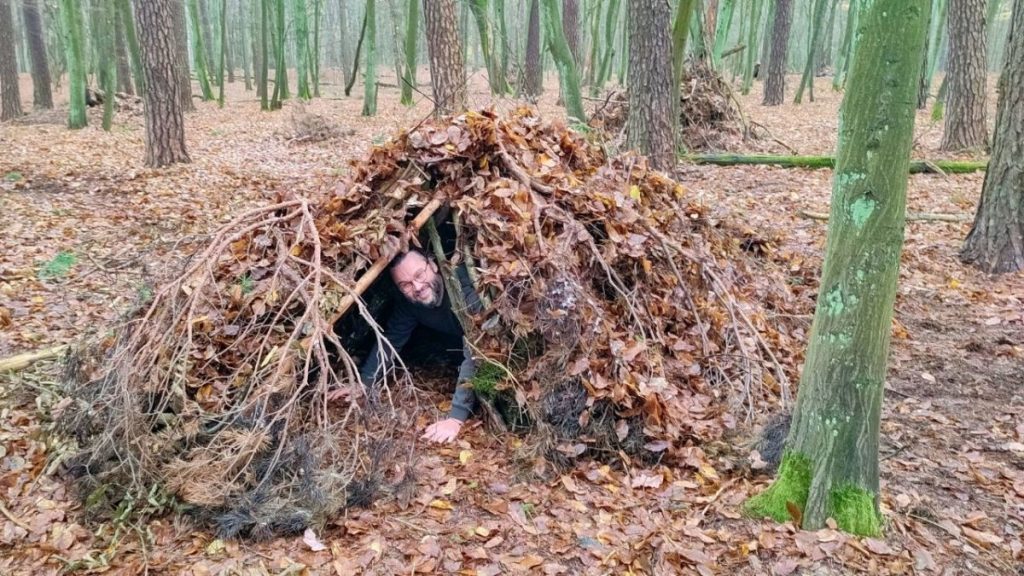
Creating a shelter is one of the first priorities in any survival situation. In extreme weather conditions, having a place to sleep that will protect you from the elements is crucial for maintaining your body temperature. In both wilderness and jungle environments, building an effective shelter requires knowledge of available materials and the ability to create a space that offers insulation, protection from rain, and defense against insects and animals.
Equally important is the ability to build a fire. Fire provides warmth, a means of cooking food, and protection against animals. Knowing how to start a fire without modern tools, using friction methods or natural tinder, is a critical skill for any adventurer.
3.2 Water Sourcing and Purification
In survival situations, access to clean water is essential. Adventurers must know how to find water in both wilderness and jungle environments, whether it’s from streams, rivers, or rainwater. Once water is located, it must be purified to avoid the risk of waterborne diseases. Techniques such as boiling, filtering through natural materials, or using solar stills can make water safe to drink.
3.3 Foraging for Food and Hunting
Finding food in the wilderness or jungle is often one of the most challenging aspects of survival. While the jungle provides a wealth of edible plants and animals, identifying what is safe to consume is critical. Poisonous plants and toxic fruits are a constant threat, and it takes significant knowledge and experience to properly forage for food.
In the wilderness, hunting and fishing may be necessary to provide sustenance. Adventurers must understand how to track, trap, and catch animals or fish using primitive tools. Similarly, in the jungle, the knowledge of how to hunt small game or fish in the rivers becomes invaluable.
3.4 Navigation and Orienteering
In both wilderness and jungle environments, getting lost is a real and present danger. Survivalists need a firm grasp of navigation skills to find their way to safety or to desired locations. Using a map and compass, reading terrain features, and understanding the signs of the natural world—such as the position of the sun or the flow of water—can make all the difference when trying to orient oneself in the wild.
4. The Psychological Challenges of Survival
Surviving in harsh environments isn’t just physically taxing; it also places a significant mental strain on individuals. The isolation, uncertainty, and danger involved in wilderness and jungle exploration can lead to anxiety, fear, and even panic. Survivalists must be mentally resilient, able to stay calm and focused even in the most stressful situations.
4.1 Coping with Stress and Fear
In survival situations, fear is a constant companion. Whether it’s the fear of encountering dangerous wildlife, getting lost, or facing harsh weather conditions, maintaining control over one’s emotions is crucial. Adventurers who cannot manage their fear and stress may make rash decisions, leading to greater risks.
4.2 Mental Resilience and Focus
Staying mentally focused on survival goals is essential for overcoming the challenges of the wilderness or jungle. Positive thinking, emotional control, and the ability to problem-solve under pressure are traits shared by successful survivalists. Those who thrive in survival situations tend to have a high level of mental toughness, able to adapt and stay focused despite adversity.
5. The Reward: Why Survival Challenges are Worth the Risk
Despite the risks and difficulties involved, the rewards of surviving in the wilderness or jungle are immense. The sense of accomplishment, the thrill of overcoming nature’s obstacles, and the deep connection with the environment are powerful motivators for those who pursue survival challenges.
Survival experiences offer individuals a deeper appreciation for the fragility of life and the resilience of the human spirit. They foster a greater respect for nature and help adventurers rediscover their own strength and resourcefulness. For many, the reward is not just surviving, but transforming in the process.
Conclusion: The Allure of Wilderness and Jungle Survival
Survival challenges in the wilderness and jungle offer some of the most extreme and rewarding experiences for adventurers. These challenges not only test physical endurance but also mental resilience, strategic thinking, and adaptability. By confronting the harsh realities of nature, survivalists forge a deeper connection with the environment and a greater appreciation for their own capabilities.
For those brave enough to take on the challenge, the wilderness and jungle become the ultimate proving grounds—a place where the boundary between life and death is razor-thin, and the only way to succeed is by mastering the art of survival.