








Emergencies can strike at any time—whether it’s a natural disaster like an earthquake or hurricane, a medical crisis, or an unexpected accident. In such situations, being well-prepared can be the difference between life and death, comfort and distress. While we cannot predict when or how emergencies will occur, we can control how we prepare for them. Emergency preparedness is about having the knowledge, tools, and mindset in place to respond effectively and safely when the unexpected happens.
This article provides an in-depth guide to emergency preparedness, focusing on practical strategies, emergency kits, family planning, and the vital role of community and government resources. It highlights the importance of proactive preparation in ensuring safety, survival, and recovery in the event of a disaster.
Chapter 1: Understanding the Importance of Emergency Preparedness
1.1 Why Emergency Preparedness Matters
Emergencies—whether large or small—are inevitable. Natural disasters, such as hurricanes, floods, wildfires, and earthquakes, are increasingly common due to climate change, while man-made emergencies like power outages, accidents, or medical crises can happen without warning. The frequency and intensity of these incidents have made it more critical than ever for individuals and families to be prepared.
Emergency preparedness is not just about survival—it’s about minimizing the damage caused by such events, reducing panic, and maintaining a sense of control in the face of chaos. Being prepared can help you:
- Ensure personal safety: Knowing what to do in an emergency can prevent injuries or death.
- Preserve property: Proactive measures can reduce the risk of property damage during a disaster.
- Aid in recovery: A well-prepared individual can help their family, neighbors, and community recover more quickly from a crisis.
- Enhance peace of mind: Knowing that you are ready for any emergency brings confidence and security.
1.2 The Costs of Unpreparedness
The consequences of not preparing for emergencies can be devastating. In the aftermath of natural disasters, such as the 2011 Japanese tsunami, or man-made events like power outages, the unprepared often experience the most severe outcomes. The lack of a plan or emergency supplies can lead to:
- Increased injuries and fatalities
- Greater property damage
- Longer recovery times
- Psychological stress and trauma
Chapter 2: Key Elements of Emergency Preparedness
2.1 Emergency Kits: Essential Supplies for Survival
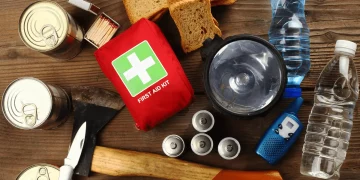
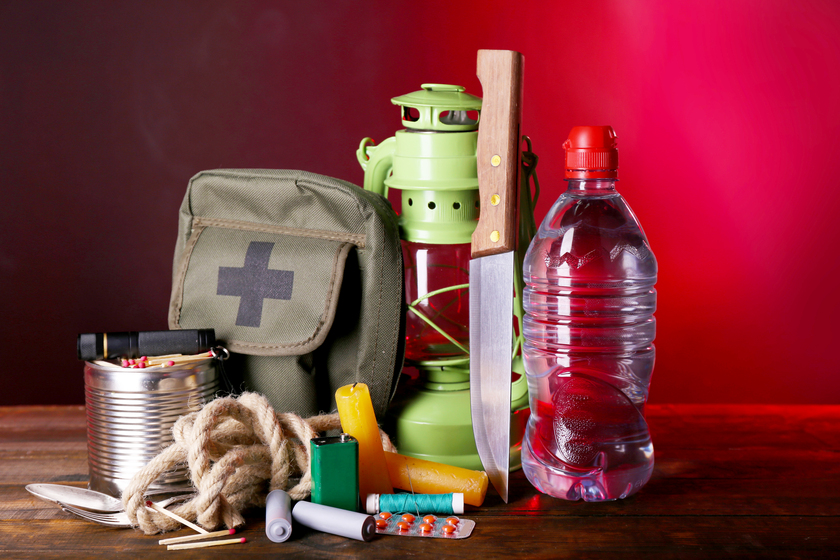
One of the cornerstones of emergency preparedness is the creation of an emergency kit—a collection of supplies that will sustain you and your family for a minimum of 72 hours in case of a disaster. An emergency kit should be tailored to your specific needs and environment but generally includes the following essentials:
Water and Food
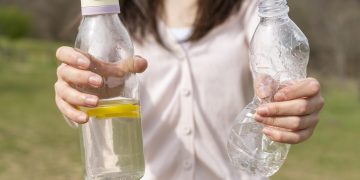
- Water: At least one gallon per person per day for drinking and sanitation, for a minimum of three days.
- Non-perishable food: High-calorie, easy-to-prepare foods such as canned goods, energy bars, dried fruit, and freeze-dried meals. Remember to include a manual can opener.
First Aid and Medical Supplies
- First aid kit: A well-stocked first aid kit should include bandages, antiseptic wipes, adhesive tape, scissors, tweezers, and medications (prescribed and over-the-counter).
- Prescription medications: At least a seven-day supply of critical medications, along with copies of prescriptions.
- Pain relievers and other medical supplies: Aspirin, ibuprofen, and other common medications.
Shelter and Warmth
- Blankets or sleeping bags: To provide warmth and comfort.
- Tents or tarps: For makeshift shelter in case you need to leave your home.
- Clothing: Extra layers of clothing for protection from extreme temperatures.
Tools and Communication Devices
- Flashlight: Battery-powered or solar-powered, with extra batteries.
- Multi-tool: A Swiss army knife or similar tool for general use.
- Portable charger: A solar-powered or hand-crank phone charger.
- Radio: A battery-powered or hand-crank radio to receive emergency broadcasts. Ideally, it should also have the ability to charge a phone.
Important Documents
- Important documents: Copies of ID, passports, medical records, and insurance policies stored in a waterproof container.
- Cash: Small bills and coins, as ATMs and credit card machines may not work during an emergency.
Other Items
- Personal hygiene items: Toilet paper, soap, wet wipes, toothpaste, and other sanitation supplies.
- Masks: N95 or similar masks for filtering harmful air in case of wildfires or pandemics.
- Pet supplies: If applicable, food, water, and medications for your pets.
2.2 Family Emergency Plan
A solid emergency kit is only useful if everyone knows how to use it and what to do in the event of a crisis. This is where a family emergency plan comes into play. The plan should be clear, detailed, and practiced regularly. Here are key steps in creating a family emergency plan:
Designate Emergency Contacts
- Primary contact: Identify a family member or friend who is not in the affected area who can serve as a central point of contact.
- Secondary contacts: Have a list of people in your community who can provide assistance or information.
Create Evacuation Routes
- Multiple routes: Identify several evacuation routes in case primary roads are blocked or inaccessible.
- Meeting points: Designate a safe location where all family members can meet in case you get separated.
Practice Drills
- Regular drills: Conduct fire, earthquake, and flood drills to ensure that everyone knows how to respond quickly and efficiently.
- Review evacuation plans: Practice walking through your evacuation routes and ensuring that everyone knows what to do.
2.3 Home and Property Preparedness
Making your home resilient to disasters is an important component of emergency preparedness. Here’s how you can protect your property:
Strengthen Your Home
- Secure heavy furniture: Anchor bookshelves, cabinets, and other large items to prevent them from tipping over during an earthquake or hurricane.
- Install smoke detectors and carbon monoxide alarms: Ensure they are tested and have fresh batteries.
- Prepare your roof and windows: Reinforce your roof and windows to prevent storm damage.
Create a Fire-Resistant Zone
- Clear brush: If you live in an area prone to wildfires, clear brush and debris around your home to create a defensible space.
- Fire extinguisher: Keep a fire extinguisher in your kitchen, garage, and near potential hazards.
Floodproof Your Home
- Elevate electrical systems: Ensure that your home’s electrical systems are above potential flood levels.
- Seal windows and doors: Install flood barriers and ensure that windows and doors are sealed to prevent water from entering.
2.4 Staying Informed and Alerts
Being informed is key to acting quickly during an emergency. There are various ways to receive emergency alerts and information:
- Emergency alert systems: Sign up for local government warning systems, such as weather alerts or evacuation notices.
- Smartphone apps: Apps like FEMA, Red Cross, and local alert apps send notifications about potential threats and provide guidance on how to respond.
- Community resources: Join local community preparedness groups and stay in touch with neighbors, as they can be a valuable resource in times of crisis.
Chapter 3: Special Considerations for Different Emergencies
3.1 Natural Disasters
Earthquakes
- Drop, Cover, and Hold On: During an earthquake, take cover under a sturdy table or against an interior wall.
- Prepare emergency supplies: Keep your emergency kit in an easily accessible location, especially if you live in an earthquake-prone region.
Floods
- Evacuate early: If you live in a flood zone, know the nearest high ground and have an evacuation plan.
- Flood-proof your home: As mentioned above, elevate electrical systems and seal windows.
Hurricanes and Tornadoes
- Stay indoors: Seek shelter in a basement or storm cellar during a tornado or hurricane.
- Reinforce windows: Install storm shutters or plywood to protect windows from high winds.
Wildfires
- Create defensible space: Clear brush and vegetation around your home to reduce the risk of fire spread.
- Evacuate early: Wildfires move quickly, so leave at the first sign of danger.
3.2 Medical Emergencies
First Aid
- Know basic first aid: Take a first aid and CPR class to ensure you know how to handle medical emergencies like choking, bleeding, or heart attacks.
- Medications: Keep a list of family members’ medications, allergies, and medical conditions in your emergency kit.
Pandemics and Health Crises
- Sanitization supplies: Stock up on hand sanitizers, masks, and disinfectants.
- Quarantine plans: In case of a health crisis like a pandemic, have a plan for isolation and care.
Chapter 4: Community and Government Roles in Emergency Preparedness
4.1 Community Preparedness
Emergencies don’t just affect individuals; they affect entire communities. Community preparedness can significantly reduce the impact of disasters by fostering mutual aid networks, local shelters, and shared resources. Here’s how communities can prepare:
- Community drills: Local authorities should organize community-wide drills for different types of emergencies.
- Local support systems: Establish community groups to provide assistance to the elderly, disabled, and others who may need extra help during an emergency.
- Neighborhood watch programs: Promote awareness and shared responsibility for looking out for one another.
4.2 Government’s Role
Government agencies, such as the Federal Emergency Management Agency (FEMA) in the United States, play a vital role in national emergency preparedness. Governments are responsible for:
- Providing disaster relief: Offering financial assistance, food, shelter, and medical care during major disasters.
- Coordinating response efforts: Ensuring that rescue teams, hospitals, and other resources are mobilized effectively.
- Educating the public: Providing resources and education about how to prepare for different types of emergencies.
Conclusion: Being Ready for the Unexpected
Emergency preparedness is an ongoing process that involves careful planning, resource management, and regular review. While emergencies cannot be avoided, preparation can dramatically reduce their impact. By building a comprehensive emergency kit, creating a family plan, and staying informed, you ensure that you and your loved ones are equipped to handle the unexpected with confidence.
Remember, preparedness is not just about surviving—it’s about thriving in the face of adversity, knowing that you are capable of overcoming whatever challenges lie ahead.