








Introduction
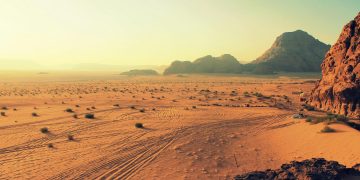
Deserts are among the most extreme environments on Earth, characterized by their arid conditions, intense temperatures, and harsh landscapes. Stretching across continents, deserts have fascinated scientists, explorers, and travelers for centuries. These environments, where life is often pushed to its limits, offer unique challenges for both flora and fauna, yet they also host some of the most resilient and diverse ecosystems on the planet.
In this article, we will delve into the physical characteristics of deserts, the ecological systems that have adapted to extreme conditions, and the survival strategies required to thrive in these barren regions. We will explore the harsh realities of desert life, from the challenges of water scarcity to the extreme temperatures, and how both human societies and wildlife have found ways to adapt and endure in these environments.
1. What Defines a Desert?
Deserts are defined by one primary factor: low precipitation. To be classified as a desert, a region must receive less than 250 millimeters (10 inches) of rainfall per year. This scarcity of water creates a unique set of environmental challenges, not only for humans but also for the plants and animals that have evolved to survive in these harsh conditions. Deserts are not necessarily hot, as many people believe; they can be cold, with large variations in temperature between day and night.
1.1 The Different Types of Deserts
Deserts can be classified into several types based on their geographical location, climate, and characteristics. The three main types of deserts are:
- Subtropical Deserts: These deserts are characterized by high temperatures during the day and cool nights. Examples include the Sahara Desert in Africa and the Sonoran Desert in North America. These deserts receive little to no rainfall and often feature vast sand dunes.
- Cold Deserts: Cold deserts, like the Gobi Desert in Asia and the Great Basin in North America, experience lower temperatures and greater seasonal variation. These deserts are often found at higher elevations and can see snow in the winter, though they still have low annual rainfall.
- Coastal Deserts: Coastal deserts, such as the Atacama Desert in Chile, are influenced by cold ocean currents, which create a dry atmosphere despite the proximity to large bodies of water. These deserts often feature fog but receive very little rainfall, resulting in unique ecosystems.
1.2 The Climate and Weather of Deserts
The most defining feature of any desert is its climate, which is generally characterized by:
- Extreme Temperatures: Deserts experience extreme temperature fluctuations, with daytime temperatures soaring to over 40°C (104°F) in the summer, while nighttime temperatures can drop to freezing in colder deserts or at higher altitudes.
- Low Humidity: The dry air in deserts can lead to intense evaporation of water, making it harder for life forms to retain moisture. Low humidity also increases the sensation of heat during the day and cold at night.
- Wind: Deserts are often subjected to strong winds, which can carry sand and dust, further contributing to the harsh living conditions. These winds also shape the desert landscape, creating dunes and eroding rock formations over time.
2. Desert Ecosystems: Life in the Extreme
Despite their severe conditions, deserts are home to a surprising amount of biodiversity. The organisms that live in deserts have developed specialized adaptations to survive with minimal water, endure extreme heat, and thrive in the absence of lush vegetation.
2.1 Adaptations of Desert Flora
Plants in desert ecosystems have evolved several survival strategies to cope with the scarcity of water. Some of these adaptations include:
- Drought Tolerance: Many desert plants, such as cacti, are able to store large amounts of water in their tissues. Cacti have thick, fleshy stems that act as water reservoirs, allowing them to survive long periods without rainfall. Other plants, like succulents, store water in their leaves or roots.
- Reduced Water Loss: Desert plants often have small or waxy leaves that minimize water loss through evaporation. Many also have deep root systems that allow them to access underground water sources.
- Photosynthesis Adaptations: Some desert plants, such as cacti, use a specialized form of photosynthesis known as CAM (Crassulacean Acid Metabolism), which allows them to open their stomata (pores) at night when it is cooler, reducing water loss during the hottest parts of the day.
2.2 Adaptations of Desert Fauna
Animals in desert environments also exhibit remarkable adaptations that enable them to survive extreme conditions. Some of these adaptations include:
- Water Conservation: Many desert animals, such as the kangaroo rat, can survive without drinking water directly. These animals extract moisture from the food they consume, while their kidneys are adapted to conserve water by producing highly concentrated urine.
- Behavioral Adaptations: Animals like the desert fox and the fennec fox are nocturnal, foraging for food and water during the cooler nighttime hours. By avoiding the daytime heat, these creatures reduce their exposure to extreme temperatures.
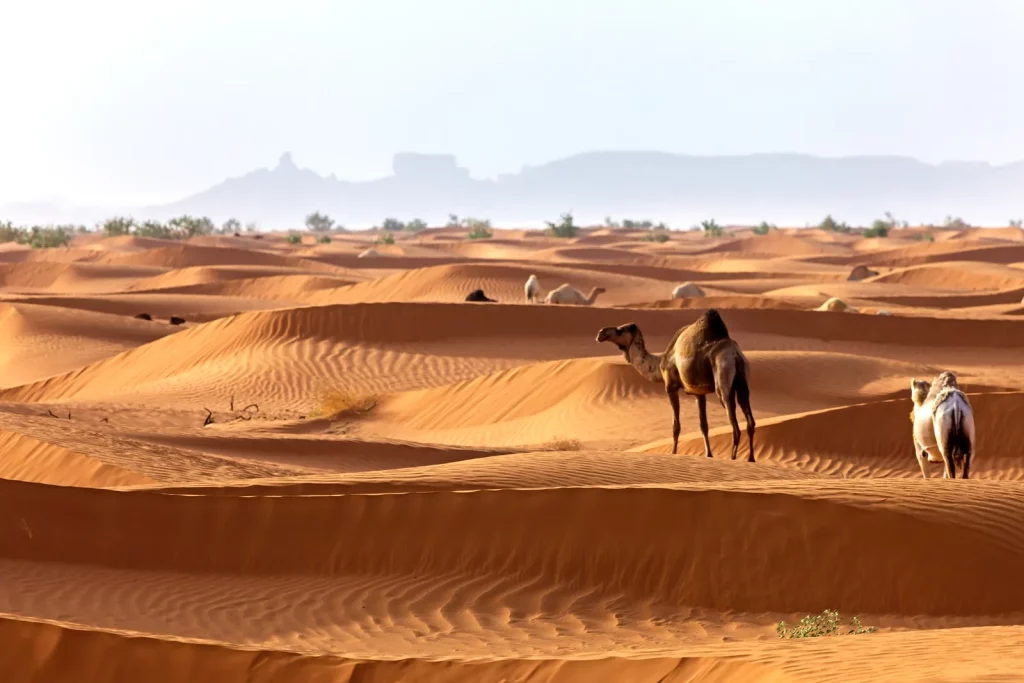
- Physical Adaptations: Some animals have evolved physical traits to survive the harsh desert conditions. The camel, for instance, has long eyelashes and nostrils that can be closed to prevent sand from entering. Its hump stores fat, which can be converted to water when needed, allowing the camel to go for days without drinking.
2.3 The Role of Desert Ecosystems in the Global Environment
Desert ecosystems play a crucial role in the broader environmental system. Despite their low levels of precipitation, deserts are important contributors to the global carbon cycle, as they are home to a variety of plant and animal species that help regulate atmospheric carbon. Additionally, deserts are critical habitats for migratory species and provide essential resources, such as minerals and biodiversity, that are of significant value to both human populations and wildlife.
3. The Challenges of Living in the Desert
Life in the desert is fraught with challenges, both for humans and wildlife. For people living in desert regions, the harsh climate, scarcity of resources, and lack of infrastructure can make survival difficult. However, humans have found ways to adapt to life in these extreme environments over centuries.
3.1 Water Scarcity
One of the most pressing challenges in the desert is the scarcity of water. In many desert regions, freshwater sources are few and far between, and the lack of water makes farming, settlement, and transportation difficult. Desert populations often rely on underground aquifers, wells, or water from distant sources to meet their daily needs.
In some cases, water has become a precious commodity, and communities must implement strict water management practices to avoid depletion of these limited resources. In some desert cities, such as those in the Middle East, desalination technologies are used to turn seawater into freshwater, providing a reliable source of water for residents.
3.2 Extreme Temperatures
The extreme temperatures of deserts present another significant challenge. During the day, the sun can be incredibly intense, leading to heat exhaustion, dehydration, and sunburn. At night, temperatures can plummet, requiring people and animals to seek warmth. This extreme fluctuation in temperature places a high demand on energy and resources, making survival in the desert a constant battle against the elements.
3.3 Sandstorms and Wind Erosion
The wind in deserts is not just an inconvenience; it can be a major hazard. Sandstorms, or dust storms, can occur suddenly, reducing visibility, damaging infrastructure, and posing health risks. These storms also contribute to the erosion of sand dunes and rock formations, shaping the landscape of the desert over time. For people living in desert regions, constructing homes and shelters that can withstand these powerful winds is essential.
4. Human Adaptation to the Desert
Over millennia, humans have developed a variety of strategies to survive and thrive in desert environments. From ancient nomadic tribes to modern-day desert cities, human ingenuity has enabled people to adapt to the extreme conditions of the desert.
4.1 Traditional Desert Living
Nomadic tribes, such as the Bedouins of the Middle East and the Tuaregs of North Africa, have historically relied on the movement of their communities to survive in the desert. These groups often lived in tents, which provided shelter from the intense heat during the day and warmth at night. Their lifestyles were centered around herding animals like camels and goats, which were essential for both food and transportation.
Water Management
Traditional desert dwellers were highly skilled at finding and managing water. They used wells, oasis springs, and underground cisterns to store water for drinking and farming. Knowledge of desert landscapes and natural water sources was passed down through generations, ensuring the survival of these communities.
4.2 Desert Cities and Modern Adaptations
In more recent times, humans have developed cities in the desert, many of which rely on modern technologies to provide essential services like water, electricity, and cooling. Cities like Dubai and Las Vegas are prime examples of how human innovation has overcome the natural challenges of the desert. In these cities, technology such as air conditioning, desalination, and advanced irrigation systems have made life in the desert more manageable.
However, the challenge of managing water resources remains a critical issue in desert cities. Innovations in water conservation, like water recycling and the use of rainwater harvesting, are helping to ensure that these cities remain sustainable in the face of environmental pressures.
5. The Future of Deserts: Climate Change and Sustainability
Climate change poses a significant threat to desert ecosystems and human populations living in desert regions. Rising global temperatures, shifting weather patterns, and increasing frequency of droughts could exacerbate the challenges faced by desert environments.
5.1 The Impact of Climate Change on Desert Ecosystems
Climate change is likely to increase the frequency and intensity of heatwaves, droughts, and sandstorms in desert regions. This could lead to further desertification, where arid land expands and fertile soil turns into desert. As temperatures rise and water sources become more scarce, the delicate balance of desert ecosystems could be disrupted, threatening biodiversity.
5.2 Human Adaptation in the Face of Climate Change
As desert environments become more inhospitable due to climate change, humans will need to continue innovating to survive. This may involve the development of more efficient water management systems, the use of renewable energy sources like solar power, and the expansion of green technologies for desert agriculture. Additionally, addressing the broader issue of climate change through global cooperation and sustainability efforts will be critical to mitigating the impacts on desert environments.
Conclusion
Deserts, with their extreme conditions and unique ecosystems, are some of the most fascinating and challenging environments on Earth. From the blistering heat of the Sahara to the cold, dry expanse of the Gobi, deserts have shaped the lives of both wildlife and humans for millennia. Through innovation, resilience, and adaptation, life has found a way to survive, and even thrive, in these harsh climates. As we look to the future, the lessons learned from desert ecosystems and the human ability to adapt will continue to play a crucial role in how we address environmental challenges in other parts of the world.