








Introduction
Desert survival is one of the most extreme challenges any adventurer or traveler can face. The barren expanses, extreme temperatures, and scarcity of resources make deserts an inhospitable environment for both humans and wildlife. While physical strength and mental toughness are crucial in these situations, desert survival also requires a deep understanding of the environment and thorough preparation. Knowing the terrain, understanding the desert’s behavior, and being able to anticipate its challenges can often be the difference between life and death.
In this article, we will examine the multifaceted nature of desert survival. We will explore the specific skills and mental fortitude needed, but most importantly, we will discuss the importance of understanding the desert environment. From climate knowledge to resource identification, preparation for a desert survival situation is as much about mental readiness and environmental mastery as it is about physical resilience.
1. Understanding the Desert: A Harsh Environment
1.1 The Desert Climate: Extremes in Temperature and Humidity
One of the primary challenges of survival in the desert is the climate. Deserts are defined by their lack of precipitation, receiving less than 250 millimeters (10 inches) of rainfall annually. The low humidity combined with high daytime temperatures and the drastic temperature drop at night creates extreme conditions that test the human body.
- Extreme Heat: The desert sun is intense, with temperatures often soaring above 40°C (104°F) during the day, particularly in subtropical deserts like the Sahara or the Sonoran. This heat can lead to dehydration, heat exhaustion, and heatstroke if the body is not adequately prepared or hydrated.
- Cold Nights: Despite the intense heat of the day, desert temperatures can plummet at night. This drastic drop, especially in cold deserts like the Gobi or the Great Basin, can bring temperatures below freezing. This extreme fluctuation poses a unique survival challenge, requiring individuals to plan for both hot and cold extremes in a 24-hour period.
1.2 The Role of Wind and Sandstorms
Wind is another critical factor in desert survival. In many desert regions, strong winds can whip through the landscape, creating sandstorms that reduce visibility, damage gear, and cause breathing problems due to inhaling fine particles. Moreover, wind erosion shapes the terrain, creating vast sand dunes and rocky outcrops, which can complicate navigation and shelter-building efforts.
Wind also plays a role in regulating temperature in some deserts, intensifying the heat during the day and contributing to the chilling effect at night. Understanding wind patterns and knowing how to use the wind for shelter or navigation can be a key to surviving in the desert.
2. The Essential Survival Skills for Desert Environments
Surviving in the desert demands an in-depth knowledge of various survival techniques. Not only must individuals be physically fit and psychologically resilient, but they must also have a comprehensive understanding of desert-specific skills. These include finding water, building shelter, navigating the terrain, and managing limited resources.
2.1 Water: The Most Vital Resource
Water is the most important resource to conserve and manage in the desert. Since most deserts receive minimal rainfall, fresh water sources are rare. Without water, survival is nearly impossible. Here are some of the ways survivalists manage water needs in the desert:
- Finding Water: While surface water is scarce in deserts, water can often be found in underground aquifers, wells, or oasis springs. Knowing how to identify areas where water may be located is crucial. Animals, plant life, and changes in vegetation can indicate potential water sources. Survivalists can also use techniques like collecting dew or condensation overnight using improvised methods.
- Water Conservation: Once water is located, conserving it becomes paramount. Many desert-dwelling creatures, including humans, have evolved strategies to retain water. This includes avoiding physical exertion during the hottest part of the day, wearing appropriate clothing to minimize perspiration, and drinking in moderation while avoiding direct sun exposure.
- Purification Techniques: If survivalists come across dirty water sources, it is essential to purify it. This can be done through filtration, boiling, or using improvised distillation methods to ensure that the water is safe to drink.
2.2 Shelter: Protection from Heat and Cold
In the desert, the ability to construct a shelter that can shield from both the intense heat of the day and the freezing cold at night is a critical survival skill.
- Finding or Building Shelter: In extreme conditions, a shelter is essential for protecting oneself from both the sun and the cold. A simple shelter can be constructed using materials like rocks, branches, or even sand dunes. Tents or tarps can also be used to create temporary refuges from the elements.
- Shading and Insulation: In hot deserts, building a shelter that can provide adequate shade is vital for staying cool. During the colder desert nights, insulation is key. This might involve covering the body with clothing or using materials like vegetation to create a layer of warmth.
- Shelter Location: A well-chosen location for shelter is crucial. Seek out natural barriers, such as cliffs, boulders, or canyons, which can provide protection from the sun, wind, and sandstorms. Avoid low-lying areas where cold air collects at night, and ensure that the shelter is not too close to a potential flood zone in the event of rare desert rains.
2.3 Navigation: Understanding Desert Terrain
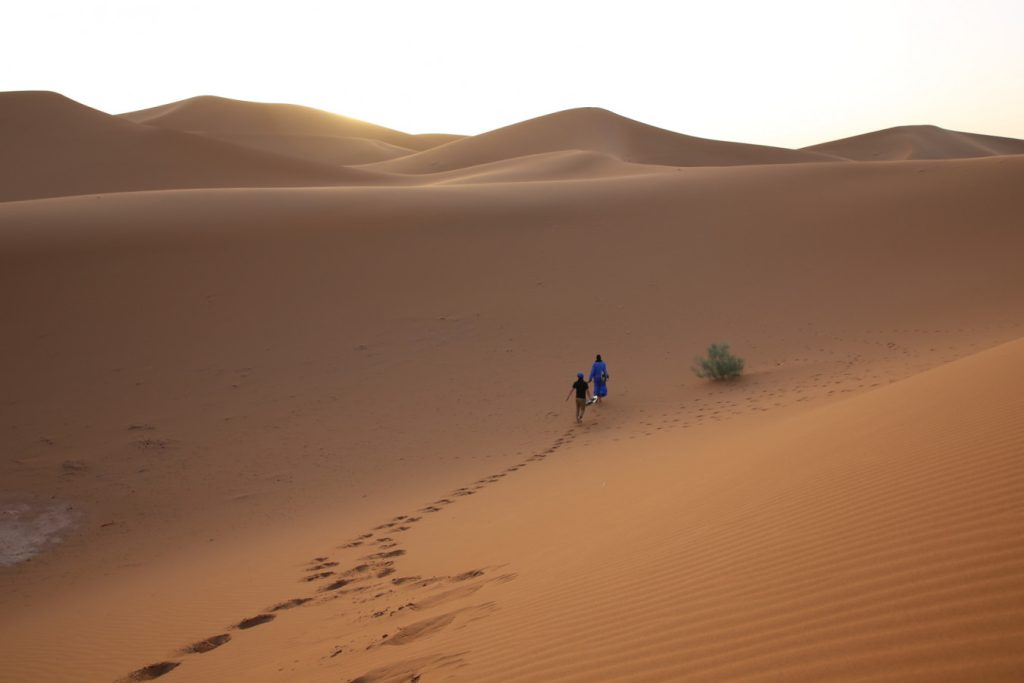
Navigating the desert can be one of the most challenging aspects of survival. With vast expanses of sand dunes and rocky terrain, it’s easy to become disoriented. However, understanding the landscape and the natural indicators of direction is a vital skill.
- Using the Sun and Stars: The sun’s position can help in navigation during the day. In the evening, the stars provide an effective way to maintain direction. Desert dwellers often rely on constellations, such as the North Star in the Northern Hemisphere, for guidance.
- Reading the Terrain: Learning how to recognize patterns in the sand, rocks, and vegetation is crucial for navigation. Windblown sand dunes and rock formations can offer clues about direction, while animal tracks and plant life may indicate water or shelter locations.
- Using Landmarks: While deserts may seem monotonous, certain features like mountain ranges, unique rock formations, or vegetation can serve as important landmarks. Keeping track of these features helps prevent getting lost.
2.4 Fire Making: Staying Warm and Signaling for Help
Fire is a versatile tool in desert survival. Not only does it provide warmth during the cold desert nights, but it can also be used to signal for help and cook food.
- Making Fire: While desert environments may seem arid, various methods can be used to create fire, including using friction-based techniques, magnifying glasses, or fire starters. It’s crucial to keep fire-building supplies in a safe, dry location, as the desert heat can sometimes cause equipment to degrade.
- Signaling for Help: In desert survival situations, signaling is an essential skill. A fire or smoke plume can alert rescuers to your location. In emergencies, creating large, visible signals using clothing or bright materials can also increase the chances of rescue.
3. Mental Toughness: Psychological Preparation for the Desert
While physical survival skills are essential, mental toughness is just as crucial. Surviving in the desert requires a calm, clear-headed approach to problem-solving, emotional resilience, and staying focused on the task at hand.
3.1 Staying Calm Under Pressure
Deserts are unforgiving environments, and the psychological strain of heat, isolation, and scarcity of resources can be overwhelming. To survive, individuals must maintain mental clarity. Panic can lead to poor decision-making, like overexertion or unnecessary risk-taking, which can compromise survival.
3.2 Motivation and Goal Setting
Setting small, achievable goals—whether it’s finding water, building shelter, or traveling a certain distance—can keep an individual focused. Celebrating small victories along the way helps maintain a positive attitude and a sense of progress, which is vital for mental endurance.
3.3 Handling Loneliness and Isolation
Desert survival can also bring about psychological challenges related to isolation and solitude. Many desert survival situations take place in remote areas far from civilization, which can evoke feelings of loneliness, fear, and helplessness. Managing these emotions through self-talk, focusing on survival tasks, and maintaining hope is essential for long-term survival.
4. Preparing for Desert Survival
Successful desert survival begins with thorough preparation. This preparation involves not only acquiring the right gear but also understanding the unique challenges of desert environments and being mentally ready for the obstacles ahead.
4.1 Training and Physical Conditioning
Desert survival demands physical fitness. Travelers should prepare by conditioning their bodies to endure both extreme heat and cold. Cardiovascular training, strength exercises, and endurance conditioning can help improve stamina for long treks across the desert.
4.2 Essential Survival Gear
Survival in the desert requires specific tools and gear. Essential items include:
- Water storage containers and purification tools
- Fire-starting materials, such as waterproof matches or a fire starter
- Appropriate clothing to protect from the sun and the cold, including a hat, gloves, and durable footwear
- Shelter materials, such as a tent, tarp, or lightweight emergency bivvy
- Navigation tools, including a compass, map, or GPS device
4.3 Knowledge of Local Desert Ecology
Before venturing into a desert environment, it is important to study the local desert ecology. Understanding the types of vegetation, wildlife, and seasonal weather patterns can help travelers avoid dangerous plants or animals and locate food and water sources more efficiently.
Conclusion
Desert survival is a demanding test of both physical endurance and mental resilience. While having physical strength and psychological fortitude is important, the key to thriving in such an extreme environment lies in a deep understanding of the desert. Preparing adequately—through knowledge of the environment, mastering survival skills, and physical conditioning—can greatly increase the chances of successfully navigating and surviving the harsh conditions of the desert. In the end, survival in the desert is not just about fighting against nature, but about working with it in a way that respects its challenges and harnesses its resources.