







Introduction
Water has long been a source of fascination and challenge for humans. From calm river excursions to adrenaline-pumping whitewater rapids, water-based activities have evolved into both recreational pastimes and extreme sports. Drifting and extreme water sports combine physical skill, mental fortitude, and a profound connection to nature. Participants are pushed to the limits of endurance, facing unpredictable currents, towering waves, and the raw force of natural waterways.
This article explores the multifaceted world of drifting and extreme water sports, analyzing their history, types, required skills, equipment, safety measures, and top destinations. Beyond entertainment, these activities cultivate resilience, situational awareness, and a deep respect for the environment.
1. History and Evolution of Extreme Water Sports
1.1 Early Origins
The roots of extreme water sports lie in human ingenuity for survival, transportation, and exploration. Early civilizations used primitive rafts, dugout canoes, and kayaks to navigate rivers and coastal waters. Indigenous Arctic populations developed kayaks for hunting, showcasing early ingenuity in boat design.
Recreational water sports began emerging in the 19th century:
- Rafting: Originally a method of transportation and trade, rafting became a recreational pursuit in the mid-1800s in the United States. Early expeditions on the Platte River highlighted both the adventure and danger of river navigation.
- Canoeing and Kayaking: European explorers and adventurers adopted Indigenous designs, gradually transforming them into sport and leisure crafts.
1.2 Modernization and Extreme Adaptations
By the late 20th century, extreme water sports evolved significantly:
- Whitewater Rafting became a competitive sport in the 1970s, with races on rivers of varying difficulty levels.
- Kayaking evolved to include whitewater kayaking, freestyle kayaking, and ocean kayaking, emphasizing agility and technical skills.
- Other Extreme Activities: Wakeboarding, kite surfing, and jet surfing emerged as high-adrenaline sports that push physical and psychological limits.
Technological advances played a major role. Lightweight materials, durable paddles, high-performance rafts, and safety equipment like life jackets and helmets revolutionized the sport, making extreme water sports safer and more accessible.
2. Types of Drifting and Extreme Water Sports
2.1 Whitewater Rafting
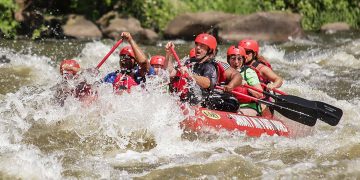
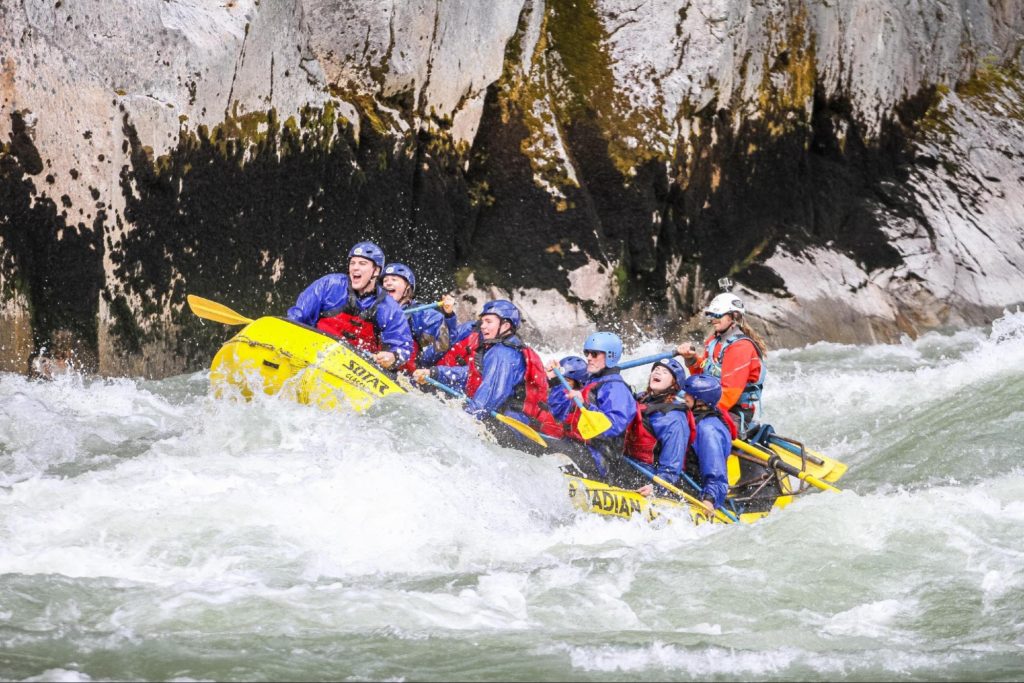
Whitewater rafting is one of the most recognized extreme water activities. Participants navigate inflatable rafts through turbulent rivers characterized by rapids, rocks, and unpredictable currents.
- Difficulty Levels: Rapids are classified I–VI, with Class I being easy and Class VI nearly impossible and dangerous.
- Skills Required: Team coordination, rapid reading, precise paddling, and emergency response.
- Safety: Helmets, life vests, and professional guides are mandatory. Training in rescue techniques is crucial.
- Top Destinations: Zambezi River (Africa), Futaleufú River (Chile), Colorado River (USA).
2.2 Kayaking and Canoeing
Kayaking and canoeing demand balance, agility, and precise control. Whitewater kayaks are designed for maneuvering in rapids, while sea kayaks handle open ocean conditions.
- Freestyle Kayaking: Performing tricks in standing waves or holes.
- Expedition Kayaking: Long-distance travel across rivers or coastal regions, often carrying supplies.
- Canoeing: Typically on calmer waters, but can also adapt to whitewater conditions.
2.3 Surfing and Related Sports
Surfing epitomizes extreme water sports, requiring balance, timing, and courage. Variants include:
- Traditional Surfing: Riding ocean waves with a surfboard.
- Kitesurfing: Using wind power and a kite to glide over water.
- Wakeboarding: Being towed behind a motorboat while performing tricks.
2.4 Jet Surfing and Motorized Boards
Jet surfing uses motorized surfboards, allowing high speeds on flat water and waves. While exhilarating, it requires careful control, protective gear, and awareness of surrounding hazards.
2.5 Riverboarding and Hydrosports
Riverboarding involves lying on a board and navigating rapids feet-first. Other hydrosports include stand-up paddleboarding (SUP) on challenging rivers or oceans, adding a balance-focused extreme twist.
3. Physical and Mental Demands
3.1 Physical Requirements
Extreme water sports challenge strength, endurance, and flexibility. Key areas:
- Upper Body: Paddling and maneuvering require arm, shoulder, and back strength.
- Core: Essential for balance, stability, and rapid response to sudden currents.
- Legs: Used in bracing, standing, and controlling boards.
Endurance is critical for sustained activity, particularly on long river expeditions or prolonged ocean surfing sessions.
3.2 Mental Resilience
Mental toughness separates successful participants from beginners:
- Situational Awareness: Constantly reading water, currents, waves, and weather conditions.
- Risk Management: Knowing limits, reacting to emergencies, and maintaining calm under pressure.
- Focus and Patience: Extreme water sports require decision-making in seconds while maintaining composure.
3.3 Psychological Benefits
Engaging with water in extreme environments strengthens problem-solving, reduces stress, and fosters confidence. It also develops adaptability and mindfulness, as participants must remain fully present in dynamic surroundings.
4. Equipment and Technology
4.1 Essential Gear
- Rafts and Kayaks: Durable, lightweight, designed for specific water conditions.
- Paddles: Ergonomic, strong, and often made from carbon fiber or composite materials.
- Boards: Surfboards, wakeboards, or jet surfboards, tailored to speed and stability needs.
- Personal Safety Equipment: Helmets, life jackets (PFDs), wetsuits, spray skirts.
4.2 Advanced Technology
GPS devices, waterproof communication tools, and satellite trackers enhance safety. High-performance materials increase durability and maneuverability while reducing fatigue.
5. Safety and Risk Management
5.1 Training and Certification
Organizations like the International Rafting Federation (IRF) and American Canoe Association (ACA) provide standardized training and certifications to ensure safety knowledge and technical competence.
5.2 Emergency Preparedness
Participants must know rescue techniques, first aid, and river hazard identification. Familiarity with swift-water rescue, CPR, and emergency signaling is critical.
5.3 Environmental Considerations
Awareness of water conditions, wildlife, and local regulations helps prevent accidents and preserves ecosystems.
6. Global Hotspots for Extreme Water Adventures
- Africa: Zambezi River for rafting; Seychelles for surfing.
- South America: Futaleufú River (Chile) and Rio Pacuare (Costa Rica).
- North America: Colorado River (USA), Bow River (Canada).
- Oceania: Kaituna River (New Zealand) and Gold Coast (Australia).
Each location offers unique challenges and scenery, from rapid-filled rivers to coastal waves, appealing to diverse skill levels.
7. Environmental and Cultural Connections
Extreme water sports connect participants to nature and local cultures. Adventure tourism supports economies but requires responsible practices:
- Eco-Friendly Practices: Reducing pollution, respecting wildlife, and minimizing riverbank impact.
- Cultural Exchange: Engaging with communities near rivers or coastal areas enhances cultural awareness and appreciation.
8. Training for Mastery
Preparation includes:
- Strength Training: Focus on arms, core, and legs.
- Cardiovascular Fitness: Essential for long-duration paddling or surfing.
- Technical Skills: Maneuvering boats, reading currents, wave timing.
- Simulation and Practice: Controlled environment training before tackling extreme rivers or waves.
Conclusion
Drifting and extreme water sports are more than recreational activities—they are tests of human skill, endurance, and courage. Participants face the raw forces of nature, requiring physical strength, mental toughness, and deep environmental awareness. With proper training, equipment, and respect for natural and cultural surroundings, these sports provide unparalleled adventure, personal growth, and a profound connection to the water world.
Whether navigating roaring rapids, surfing monstrous waves, or mastering motorized boards, extreme water sports push the limits of possibility and redefine the boundaries of human achievement.