








Introduction
In recent decades, extreme adventure tourism has evolved into a thriving industry, attracting thrill-seekers from around the globe. Beyond conventional travel experiences, specialized companies now offer high-risk, high-reward expeditions to some of the most remote and inhospitable regions on Earth, including the Arctic ice fields, Antarctic drifting, and polar bear expeditions. These experiences test physical endurance, mental fortitude, and survival skills while providing unparalleled encounters with pristine environments and extraordinary wildlife.
The rise of extreme adventure companies reflects a growing demand for immersive and adrenaline-driven travel experiences. Unlike traditional tourism, these journeys require meticulous planning, specialized gear, and professional guidance. This article examines the full spectrum of extreme polar adventures, including the logistics, environmental considerations, safety measures, and psychological and physical challenges associated with these expeditions.
1. The Rise of Extreme Polar Adventure Tourism
1.1 Historical Context
Exploration of the polar regions has a long history, beginning with early expeditions to the Arctic by European explorers in the 16th century and later to Antarctica in the 19th and 20th centuries. These journeys were often perilous, with high mortality rates due to freezing temperatures, unpredictable ice conditions, and limited technology.
Modern extreme adventure companies have built upon this legacy, offering structured and relatively safer access to these remote regions. Innovations in navigation, communication, and survival gear allow adventurers to experience these extreme environments with guided support while still embracing significant risk and challenge.
1.2 Growth of the Extreme Adventure Market
The extreme adventure tourism industry has grown rapidly, fueled by several factors:
- Increased Accessibility: Advances in transportation, such as ice-class vessels and specialized aircraft, have made polar regions more reachable.
- Adventure Demand: Modern travelers increasingly seek immersive, authentic experiences that test physical and mental limits.
- Media Influence: Documentaries, social media, and travel influencers have popularized extreme polar expeditions as aspirational adventures.
- Corporate Offerings: Companies now offer structured packages for individuals, groups, and even corporate teams seeking high-stakes team-building experiences.
2. Types of Extreme Polar Expeditions
2.1 Arctic Ice Field Expeditions
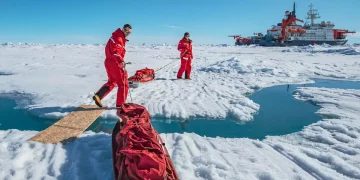
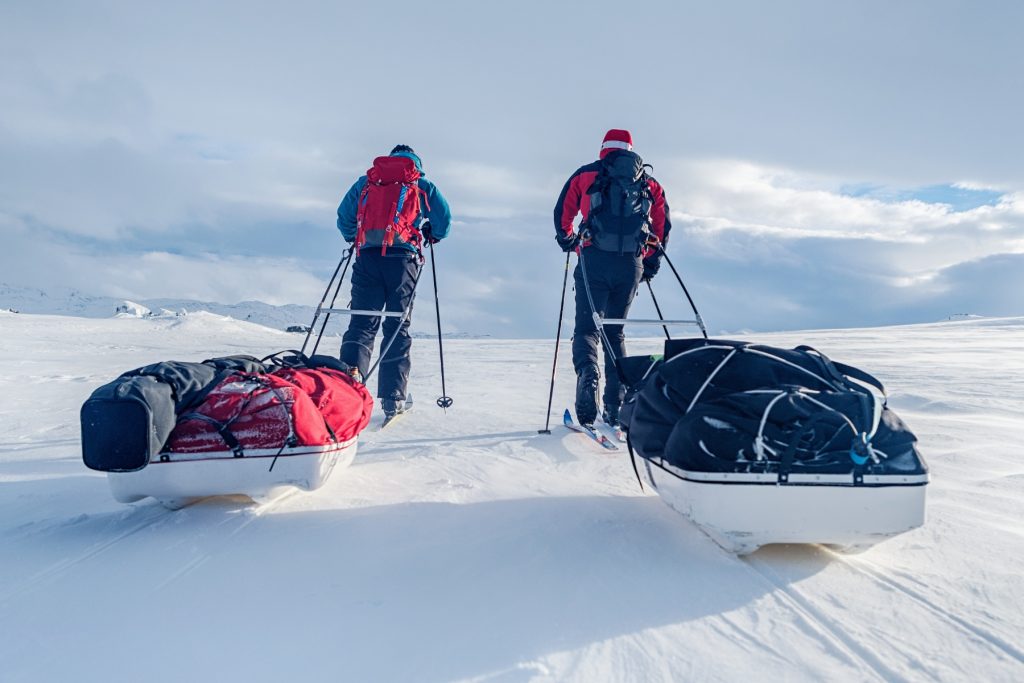
Arctic ice field adventures involve traveling across vast expanses of frozen terrain, often on skis, snowmobiles, or specially equipped vehicles.
- Activities: Glacier trekking, snow camping, ice climbing, and wildlife observation.
- Challenges: Extreme cold, shifting ice, crevasse navigation, and blizzards.
- Notable Destinations: Svalbard (Norway), Greenland, and northern Canada.
Required Skills and Preparation
- Knowledge of polar survival techniques, including building snow shelters and identifying safe routes on ice.
- Training in frostbite prevention, hypothermia management, and navigation using GPS and traditional methods.
- Physical conditioning to endure long hours in subzero temperatures with heavy gear.
2.2 Antarctic Drifting and Exploration
Antarctica offers some of the most dramatic and untouched landscapes on the planet. Adventure companies provide drifting expeditions on ice floes, kayaking among icebergs, and even limited inland trekking.
- Activities: Iceberg kayaking, glacier climbing, polar diving, and research-supported expeditions.
- Risks: Extreme cold, unpredictable weather, sea ice hazards, and isolation from emergency support.
- Popular Regions: Antarctic Peninsula, Ross Sea, Weddell Sea.
Expedition Logistics
- Use of ice-strengthened ships or yachts equipped with helicopters for rapid access to remote areas.
- Mandatory briefing sessions covering environmental protocols, wildlife safety, and emergency procedures.
- Accommodation ranging from onboard vessels to temporary polar camps.
2.3 Polar Bear Expeditions
Polar bear expeditions in the Arctic provide the rare opportunity to observe these apex predators in their natural habitat. These tours typically occur in northern Canada, Greenland, or Svalbard.
- Activities: Wildlife photography, guided observation tours, and educational briefings on conservation.
- Challenges: Proximity to dangerous predators, extreme weather, and remote logistics.
- Safety Protocols: Use of tundra vehicles, professionally trained guides, firearms for deterrence, and strict adherence to safe observation distances.
3. Physical and Mental Challenges of Extreme Polar Adventures
3.1 Physical Demands
Adventurers in polar regions face severe environmental stressors:
- Subzero temperatures and wind chill can rapidly deplete body heat.
- Long treks on snow or ice require high levels of endurance and strength.
- Handling equipment, such as skis, ice axes, and sleds, adds additional physical strain.
Physical preparation is critical. Participants must engage in cardiovascular conditioning, strength training, and cold exposure training to acclimatize to extreme environments.
3.2 Psychological Resilience
Polar expeditions test mental fortitude:
- Isolation and extended exposure to harsh conditions can lead to psychological stress.
- Navigating dangerous terrain requires constant vigilance and decision-making under pressure.
- Coping strategies include mental rehearsal, mindfulness techniques, and team cohesion exercises.
Extreme adventure companies often provide pre-expedition workshops to prepare participants for both physical and psychological challenges.
4. Equipment and Safety Protocols
4.1 Specialized Gear
Polar adventures require highly specialized equipment:
- Clothing: Layered thermal clothing, insulated boots, gloves, and face protection.
- Navigation: GPS devices, satellite phones, compasses, and topographic maps.
- Survival Gear: Ice axes, crampons, avalanche transceivers, and emergency shelters.
- Marine Equipment: For drifting or kayaking, ice-class boats, flotation devices, and cold-water diving suits.
4.2 Risk Management
Safety is paramount due to the extreme conditions:
- Trained guides lead expeditions and enforce strict safety protocols.
- Emergency evacuation plans, including airlift and medical support, are mandatory.
- Participants receive comprehensive pre-expedition training covering first aid, wildlife encounters, and hypothermia management.
5. Environmental and Ethical Considerations
5.1 Impact on Fragile Ecosystems
Polar regions are highly sensitive to environmental disruption:
- Tourism can affect wildlife habitats, particularly for penguins, seals, and polar bears.
- Improper waste disposal and pollution pose serious ecological risks.
5.2 Responsible Tourism Practices
Extreme adventure companies often implement policies to minimize environmental impact:
- Limiting group sizes and expedition frequency.
- Strict waste management protocols.
- Education for participants on sustainable travel and wildlife protection.
6. Notable Extreme Adventure Companies
Several companies have established reputations for safely delivering high-risk polar experiences:
- Quark Expeditions: Specializes in Antarctic cruises and guided polar trekking.
- Natural Habitat Adventures: Offers Arctic wildlife-focused expeditions and responsible polar travel.
- Adventure Canada: Combines cultural insights with Arctic exploration, including polar bear viewing.
- White Desert: Exclusive Antarctic experiences, including inland exploration and luxury camps.
These companies provide highly trained guides, specialized equipment, and emergency support systems, making extreme polar adventures accessible to well-prepared adventurers.
7. Case Studies and Personal Experiences
7.1 Arctic Ice Field Trekking
Participants describe traversing kilometers of ice with temperatures dropping below -30°C. Success requires mastering snow navigation, maintaining body heat, and staying alert for ice hazards.
7.2 Antarctic Drifting Expeditions
Travelers often recount the awe of drifting among icebergs, observing seals and penguins in their pristine habitats, and confronting the psychological challenge of isolation in extreme cold.
7.3 Polar Bear Safari
These expeditions combine adrenaline with education. Travelers learn about predator-prey dynamics, climate change impacts, and conservation, all while maintaining strict safety measures.
8. The Future of Extreme Polar Adventure Tourism
- Sustainability: Companies are increasingly focused on minimizing environmental impact.
- Technological Integration: Improved gear, drones for observation, and satellite communication enhance safety and experience.
- Expedition Personalization: Tailored itineraries allow adventurers to combine physical challenges with educational and research opportunities.
Extreme polar adventure tourism continues to attract thrill-seekers while balancing ecological responsibility and safety.
Conclusion
Extreme adventure companies offering Arctic ice fields, Antarctic drifting, and polar bear expeditions provide a unique blend of thrill, education, and personal transformation. These journeys challenge physical endurance, mental resilience, and survival skills while offering once-in-a-lifetime encounters with some of the planet’s most remote and fragile ecosystems.
Through careful preparation, advanced equipment, and expert guidance, adventurers can safely explore these extreme regions. However, the industry must continue prioritizing environmental stewardship, ethical wildlife interaction, and sustainable tourism practices. For those prepared to embrace the cold, isolation, and exhilaration, extreme polar adventures offer an unparalleled experience that redefines the boundaries of human exploration.