








Introduction
The polar regions—Antarctica and the Arctic—represent the last frontiers of exploration on Earth. These remote and inhospitable landscapes, blanketed by ice and surrounded by vast oceans, have long captivated the imaginations of explorers, scientists, and adventurers. With their extreme environments, both regions offer unique challenges and extraordinary discoveries.
For centuries, humans have attempted to conquer these icy expanses, facing immense physical and psychological trials. The isolation, frigid temperatures, unpredictable weather, and fragile ecosystems all contribute to the enduring mystery of the poles. Yet, despite their harshness, these regions also provide valuable scientific insights, from understanding climate change to discovering previously unknown species. The polar regions are truly enigmatic, inviting those brave enough to venture into their frozen domains.
This article explores why Antarctica and the Arctic continue to be the most mysterious places on Earth for explorers, the challenges involved in reaching these remote areas, the history of polar exploration, and the future of polar expeditions.
1. The Geography and Environment of the Polar Regions
1.1 The Arctic: A Frozen Ocean
The Arctic is located at the northernmost part of the Earth and is predominantly composed of a frozen ocean surrounded by landmasses, including parts of North America, Europe, and Asia. It is defined by its ice-covered waters, which fluctuate in extent due to seasonal variations and ongoing climate change.
- Key Features: The Arctic Ocean is covered by thick sea ice, which serves as both a platform for wildlife and a dangerous obstacle for explorers. The region is home to the North Pole, the point of Earth’s surface where all lines of longitude converge.
- Unique Ecosystem: Despite its harsh conditions, the Arctic supports a diverse range of life, including polar bears, seals, walruses, and migratory birds. The Arctic’s marine life, such as plankton and krill, forms the foundation of its ecosystem, sustaining many species.
- Climate: The Arctic climate is characterized by extreme cold, long winters, and short, cool summers. The average temperature during winter can dip to -40°C (-40°F), while summer temperatures rarely rise above 10°C (50°F).
1.2 Antarctica: The Frozen Continent
Antarctica, located at the southernmost point of the Earth, is a continent of pure ice. Unlike the Arctic, which is primarily ocean-based, Antarctica is a landmass covered by the Antarctic Ice Sheet, the largest single mass of ice on Earth, which holds about 70% of the planet’s fresh water.
- Key Features: Antarctica’s vast ice sheets and glaciers are interspersed with towering mountains, frozen lakes, and deep valleys. The South Pole sits at the heart of the continent, surrounded by a desolate, windswept landscape.
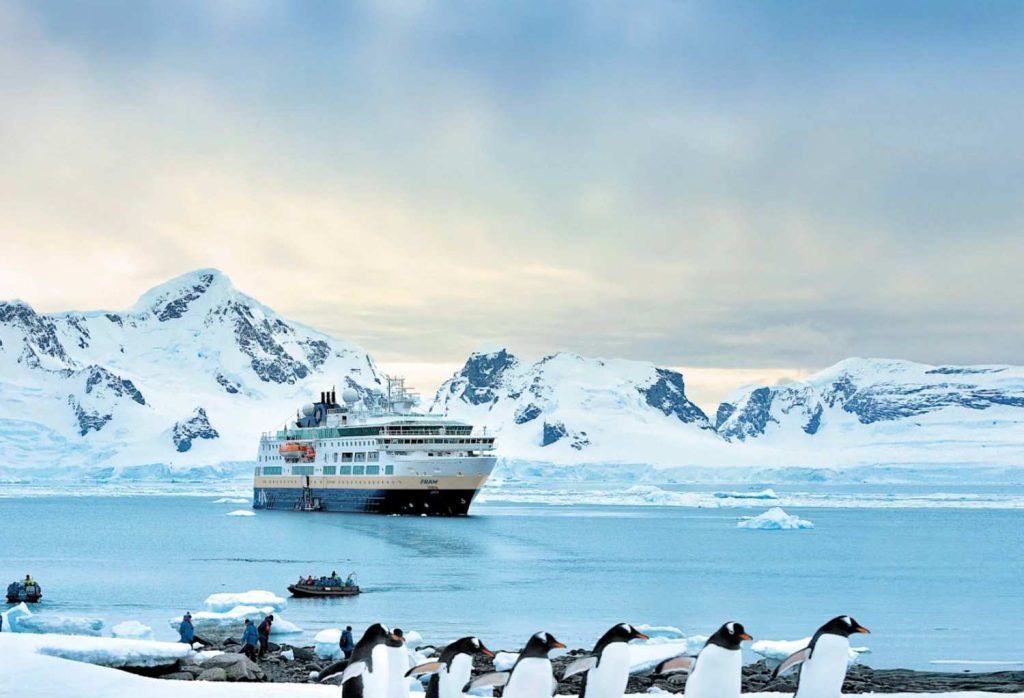
- Unique Ecosystem: Antarctica is home to species such as penguins, seals, and krill, but it lacks terrestrial mammals due to its harsh conditions. Its wildlife is specifically adapted to survive in extreme cold, with most species relying on the surrounding Southern Ocean for food.
- Climate: Antarctica is the coldest, driest, and windiest continent, with temperatures plummeting to -60°C (-76°F) in some areas. The region is subject to katabatic winds, which can reach speeds of over 200 km/h (125 mph), making conditions even more dangerous for explorers.
2. The History of Exploration in the Polar Regions
2.1 Early Exploration and the Race to the Poles
Polar exploration began in earnest during the late 19th and early 20th centuries, driven by curiosity, national pride, and the desire to push the limits of human endurance.
- The Arctic Expeditions: One of the first significant Arctic expeditions was led by the Norwegian explorer Fridtjof Nansen in 1893. Nansen’s mission to drift across the Arctic Ocean aboard the ship Fram was a pivotal moment in polar exploration. Though he did not reach the North Pole, his innovative approach to ice navigation paved the way for future expeditions.
- The Race to the North Pole: The quest to reach the North Pole saw several expeditions in the early 20th century, including those led by Robert Peary (1909) and Roald Amundsen (1926). However, the true achievement of reaching the North Pole remains contentious, as Peary’s claims have been questioned due to lack of concrete evidence.
- Antarctic Exploration: The early 20th century also marked the Great Race to the South Pole. The most famous of these expeditions was led by Robert Falcon Scott and Roald Amundsen. In 1911, Amundsen, a Norwegian explorer, became the first to reach the South Pole, beating Scott’s British team by just a few weeks. Tragically, Scott and his men died on their return journey due to harsh conditions, marking one of the most tragic stories in exploration history.
2.2 Modern Polar Exploration
While early polar expeditions were driven by national interests and personal ambition, modern-day expeditions are increasingly focused on scientific research and environmental preservation.
- Scientific Research: The establishment of research stations in both the Arctic and Antarctica has facilitated the study of polar climates, ecosystems, and the effects of climate change. The Antarctic Treaty (1959) has ensured that the continent remains a zone dedicated to scientific exploration, with countries collaborating to study the environment, glaciology, and biology.
- Adventure Tourism: Today, the polar regions have become sought-after destinations for adventure tourism. Guided expeditions, ranging from Antarctic cruises to Arctic kayaking trips, allow civilians to experience these extreme environments. These modern expeditions have sparked renewed interest in the poles and have made them accessible to those seeking the ultimate challenge.
3. The Challenges of Polar Exploration
3.1 Extreme Weather Conditions
The polar regions are notorious for their extreme weather, which can be unpredictable and dangerous. In both the Arctic and Antarctica, temperatures can plummet to life-threatening lows, and snowstorms can obscure visibility, making navigation nearly impossible.
- The Arctic: Winter conditions in the Arctic are harsh, with freezing winds and temperatures dropping well below -40°C (-40°F). The region’s shifting sea ice further complicates travel, as explorers must navigate ice floes that constantly change position.
- Antarctica: The weather in Antarctica is equally brutal, with temperatures near the South Pole reaching as low as -80°C (-112°F). The continent’s high altitudes and katabatic winds create a lethal combination of cold and wind chill that can freeze exposed skin within minutes.
3.2 Isolation and Psychological Strain
Both the Arctic and Antarctic are isolated from the rest of the world. In Antarctica, the closest human settlements are often thousands of kilometers away. The extreme isolation can have profound psychological effects on explorers.
- Isolation: The lack of contact with family, friends, and civilization can lead to feelings of loneliness and depression. Extended periods of darkness (polar nights) further exacerbate psychological strain.
- Stress: The pressure of navigating treacherous ice, dealing with life-threatening cold, and managing the risks of wildlife encounters creates constant stress for explorers.
3.3 Physical Endurance
Polar exploration demands extraordinary physical strength and endurance. Carrying heavy gear, enduring freezing temperatures, and navigating uneven terrain test the limits of human capability.
- Glaciation: In both regions, ice and snow often make travel difficult. Crevasses, snowdrifts, and thin ice can trap or sink explorers, requiring careful planning and expert navigation.
- Resource Management: Explorers must carefully ration food, fuel, and equipment, as resources are limited in these remote locations.
4. Wildlife and Environmental Concerns
4.1 Arctic Wildlife
The Arctic supports a unique range of wildlife adapted to its harsh conditions:
- Polar Bears: The Arctic’s iconic predator, polar bears are threatened by the melting ice due to climate change.
- Seals: Species like the ringed seal and bearded seal are crucial to the Arctic food chain.
- Migratory Birds: The Arctic is a critical breeding ground for many migratory bird species, including geese and ducks.
4.2 Antarctic Wildlife
Antarctica is home to a variety of species, despite the lack of terrestrial mammals:
- Penguins: The Emperor penguin, the largest of all penguin species, is the most well-known inhabitant of Antarctica.
- Seals: Species such as the Weddell seal and Leopard seal thrive in Antarctic waters.
- Krill: These tiny crustaceans are a key part of the Antarctic food chain, supporting a wide variety of marine life.
4.3 Climate Change and Conservation
Both the Arctic and Antarctic are highly vulnerable to the effects of climate change:
- Melting Ice: Rising global temperatures are causing the ice in both regions to melt at unprecedented rates, affecting local ecosystems and global sea levels.
- Wildlife Impact: Many species, including polar bears and penguins, face threats due to the loss of habitat and food sources. Conservation efforts are underway, but the situation remains dire.
5. The Future of Polar Exploration
5.1 Climate Change Research
Polar regions are critical to understanding climate change. The ice sheets in Antarctica and the Arctic serve as vital climate indicators, and studying these regions helps scientists predict future global trends.
5.2 Adventure Tourism Growth
As interest in polar exploration grows, adventure tourism in these regions is expected to continue rising. However, companies must prioritize sustainable practices to ensure that these fragile ecosystems are protected.
5.3 Environmental Preservation
Efforts to preserve the polar regions, including the Antarctic Treaty System and various conservation initiatives, are essential for the continued protection of these unique environments.
Conclusion
For explorers, the polar regions—Antarctica and the Arctic—remain the most enigmatic places on Earth. Their remote, harsh environments and the extraordinary challenges they present continue to attract adventurers, scientists, and thrill-seekers. These regions are not only crucial for understanding the planet’s climate system but also serve as testing grounds for human resilience and perseverance.
As we look to the future, it is essential that exploration in the polar regions is conducted responsibly, with an emphasis on environmental preservation and sustainable practices. The mystery of the poles will continue to fascinate and inspire, and the pursuit of exploration in these frozen worlds will remain an enduring part of human curiosity and adventure.