








Introduction
The world of photography is constantly evolving, with new equipment and technological advancements hitting the market almost daily. Whether you’re a seasoned professional or a passionate hobbyist, understanding the latest gear and how it impacts your work is crucial to staying ahead. In this comprehensive guide, we will dive deep into the essential components of a photographer’s toolkit, from cameras and lenses to tripods and lighting equipment. We will also explore the nuances of choosing the right gear based on your specific needs, preferences, and shooting style.
1. Cameras: The Heart of Photography
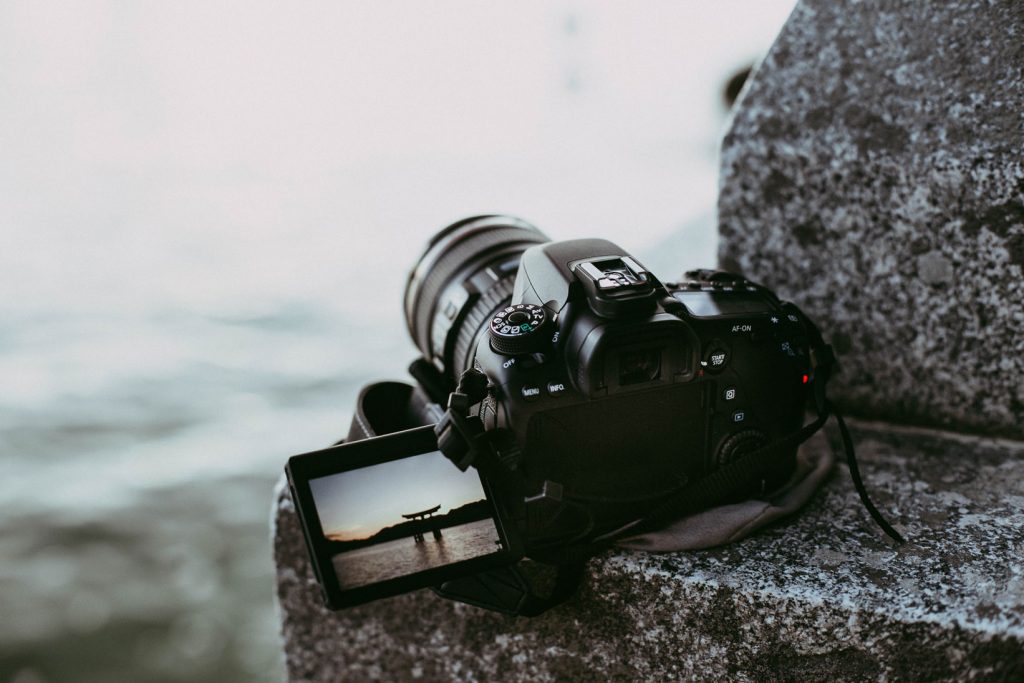
The camera is arguably the most important piece of equipment for any photographer. Over the years, the technology in cameras has drastically improved, offering both beginners and professionals an array of choices. From DSLR to mirrorless and compact systems, each type of camera has its unique advantages and considerations.
DSLR Cameras
DSLR cameras (Digital Single-Lens Reflex) have long been the preferred choice for photographers due to their superior image quality and versatility. These cameras are designed to provide users with full manual control, allowing them to tweak every aspect of their shot. Popular models include the Canon EOS 5D Mark IV and Nikon D850.
Pros:
- Excellent image quality
- Vast range of compatible lenses
- Optical viewfinder for real-time viewing
Cons:
- Larger and heavier than mirrorless cameras
- Slower autofocus compared to newer technologies
Mirrorless Cameras
Mirrorless cameras, while relatively new, have quickly gained traction due to their smaller form factor and cutting-edge technology. Unlike DSLRs, mirrorless cameras don’t have a mirror mechanism, making them lighter and faster. Examples include the Sony Alpha A7R IV and Canon EOS R5.
Pros:
- Lightweight and compact
- Fast autofocus systems
- Electronic viewfinder with real-time exposure preview
Cons:
- Shorter battery life
- Limited lens selection (though this is changing)
Compact Cameras
While compact cameras are not typically used by professionals, they serve as excellent point-and-shoot devices for everyday photography. Modern compact cameras, such as the Sony RX100 series, offer remarkable image quality in a small package.
Pros:
- Extremely portable
- Easy to use with automatic settings
- Good quality for casual photographers
Cons:
- Limited manual control
- Smaller sensors result in lower image quality compared to DSLRs and mirrorless cameras
2. Camera Lenses: Unlocking Creative Potential
Choosing the right lens is just as important as selecting the right camera body. The lens determines how much light enters the camera, the focal length (which affects zoom), and the sharpness of the final image. There are a variety of lenses designed for different styles and types of photography.
Standard Lenses
Standard lenses, typically with a focal length of 50mm, are great all-around choices for general photography. These lenses provide a natural perspective and are commonly used in portrait and street photography. The Canon EF 50mm f/1.8 and Nikon 50mm f/1.8G are popular options.
Pros:
- Fast aperture (wide opening for low light and bokeh)
- Affordable and versatile
Cons:
- Fixed focal length limits zooming
Wide-Angle Lenses
Wide-angle lenses, with focal lengths typically ranging from 14mm to 35mm, are ideal for landscape and architectural photography. They allow photographers to capture a broader field of view, making them a must-have for those who love shooting expansive vistas.
Pros:
- Excellent for wide landscape shots
- Allows photographers to include more in the frame
Cons:
- Distortion at the edges of the frame (though this can be minimized with post-processing)
Telephoto Lenses
Telephoto lenses are characterized by longer focal lengths, typically from 70mm to 200mm or more. They allow photographers to capture distant subjects with great detail and are commonly used in wildlife, sports, and portrait photography.
Pros:
- Ideal for distant subjects
- Great for isolating subjects with a shallow depth of field
Cons:
- Larger, heavier, and more expensive
- Requires more stability when shooting handheld
Macro Lenses
Macro lenses are specialized for extreme close-up photography, often used in nature and product photography. These lenses can focus on subjects that are very close to the camera, allowing photographers to capture fine details.
Pros:
- Excellent for close-up and detailed shots
- Typically sharp with minimal distortion
Cons:
- Fixed focal lengths limit versatility
- Expensive compared to standard lenses
3. Tripods: Stability for Perfect Shots
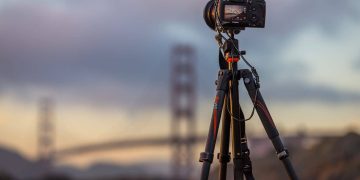
A tripod is an essential accessory for photographers who want to ensure stability and sharpness in their images, especially in low-light conditions or long exposure shots. Having the ability to mount your camera on a stable surface eliminates the risk of camera shake, leading to crisper and clearer photos.
Types of Tripods
- Carbon Fiber Tripods: Known for their lightweight and durability, carbon fiber tripods are favored by photographers who need to travel frequently. While they are generally more expensive, they provide superior strength without the added weight.
- Aluminum Tripods: While heavier than carbon fiber, aluminum tripods are more affordable and still offer decent stability. They are a good choice for budget-conscious photographers.
Choosing the Right Tripod
When selecting a tripod, consider the weight of your camera and lens combination. Look for models that offer adjustable height, flexibility in angles, and a quick-release plate for ease of use. Popular tripod brands include Manfrotto, Gitzo, and Vanguard.
4. Lighting Equipment: Illuminate Your Creativity
Lighting is a critical component in photography, as it directly affects the mood, contrast, and overall quality of the image. Whether you’re shooting indoors or outdoors, having the right lighting gear can make or break your shot.
External Flash Units
For photographers working in low-light conditions or shooting portraits, external flash units offer better control over lighting than built-in flashes. These flashes can be positioned off-camera to create dynamic lighting setups.
Popular models:
- Canon Speedlite 600EX II-RT
- Nikon SB-5000
Continuous Lighting
Continuous lights, such as LED panels, offer constant illumination, making them ideal for video and studio photography. They provide a consistent light source and are often used in product photography.
Popular models:
- Godox SL60W
- Neewer LED Panels
Softboxes and Umbrellas
Softboxes and umbrellas are essential for diffusing light, reducing harsh shadows, and producing softer, more flattering lighting. These accessories are often used in portrait and studio photography.
Popular models:
- Neewer Softbox Kit
- Westcott 43″ Umbrella
5. Camera Bags and Accessories
A well-organized camera bag is essential for keeping your gear safe and easily accessible during shoots. Whether you’re hiking through a national park or shooting a wedding, a good camera bag will ensure that you have everything you need without having to rummage through an unorganized mess.
Types of Camera Bags
- Backpacks: Provide plenty of storage for multiple lenses, bodies, and accessories while also offering comfort for long periods of wear.
- Messenger Bags: Offer a more casual and accessible way to carry gear, often with quick access to camera bodies and lenses.
- Rolling Bags: Great for photographers who travel a lot and need to carry heavy gear. These bags allow you to roll your equipment rather than carry it.
Additional Accessories
- Memory Cards: Always have extra cards on hand, as running out of storage during a shoot can be frustrating.
- Lens Filters: UV, polarizer, and ND filters can enhance your photos and protect your lens from scratches.
- Cleaning Kits: Keep your lenses and camera sensors clean to ensure optimal image quality.
Conclusion
Selecting the right photography equipment is a deeply personal choice, shaped by your photography style, budget, and level of expertise. Whether you’re investing in a high-end DSLR or a lightweight mirrorless camera, understanding the functionality of your gear is essential to maximizing its potential. By choosing the right lenses, tripods, lighting equipment, and accessories, you can enhance your creative vision and take your photography to the next level.
With this guide, you should now have a clearer understanding of the various types of photography gear available and how to choose the best equipment for your needs. Remember, great photography is not just about having the best gear, but about how you use it to capture moments that speak to your audience.