









In recent years, the concept of contactless technology has dramatically reshaped various industries, with the hospitality sector being no exception. As the world becomes increasingly connected through digital tools and smartphones, the demand for more seamless, efficient, and hygienic hotel experiences has led to the rise of contactless hotel check-in. This trend, which gained significant traction during the COVID-19 pandemic, is now seen as a permanent shift in the way guests interact with hotels.
Contactless hotel check-in refers to the ability for guests to check into their hotel rooms without any physical interaction with hotel staff. This process is facilitated by a range of innovative technologies such as mobile apps, self-service kiosks, and digital keys. The movement towards contactless check-in aims to reduce the need for physical contact, streamline the guest experience, and enhance operational efficiency, all while maintaining safety, security, and convenience.
This article explores the rise of contactless hotel check-in, its advantages for both guests and hotel operators, the technology that makes it possible, and the challenges it presents. As we look toward the future, we will also discuss the evolving role of technology in the hospitality industry and how contactless solutions are transforming the guest experience.
1. The Emergence of Contactless Hotel Check-in
1.1 The Pre-pandemic Experience: Traditional Check-in
Before the widespread adoption of contactless technologies, checking into a hotel typically followed a standard process. Upon arrival, guests would approach the front desk, provide their reservation details, show identification, and complete payment. After that, the hotel clerk would issue a physical room key, and guests would proceed to their rooms.
While this method has been tried and tested over the years, it involved a fair amount of paperwork, waiting time, and direct contact with hotel staff. This process became less ideal, particularly during times of crisis or when speed and convenience were top priorities for travelers.
1.2 The Impact of COVID-19 on the Hospitality Industry
The COVID-19 pandemic acted as a catalyst for the widespread adoption of contactless technology in hotels. In an effort to minimize physical interactions, maintain social distancing, and safeguard the health and safety of both guests and staff, hotels began to seek alternative ways to reduce in-person contact.
This led to the rapid deployment of contactless hotel check-in solutions, such as mobile check-ins, digital room keys, and self-service kiosks. The pandemic accelerated a trend that was already gaining momentum, as travelers became more accustomed to the idea of interacting with their smartphones and apps rather than directly with hotel staff.
With public health concerns at the forefront, the adoption of contactless systems not only made hotel stays safer but also more efficient. As travelers began to value convenience and health-conscious services, the use of digital check-in options became a standard expectation, especially for tech-savvy millennials and Gen Z travelers.
2. How Contactless Hotel Check-in Works
2.1 Mobile Apps and Digital Check-in
One of the primary technologies enabling contactless hotel check-in is the use of mobile apps. Many hotels now offer proprietary apps that allow guests to check in remotely before their arrival. Once the booking is confirmed, the guest receives a notification prompting them to complete the check-in process via the app.
Here’s a typical flow for mobile app-based check-in:
- Booking Confirmation: After booking the room, guests receive a link to the hotel’s mobile app (or can download it from the app store).
- Remote Check-in: On the day of arrival, guests can log into the app and input necessary information such as identification, payment, and special requests.
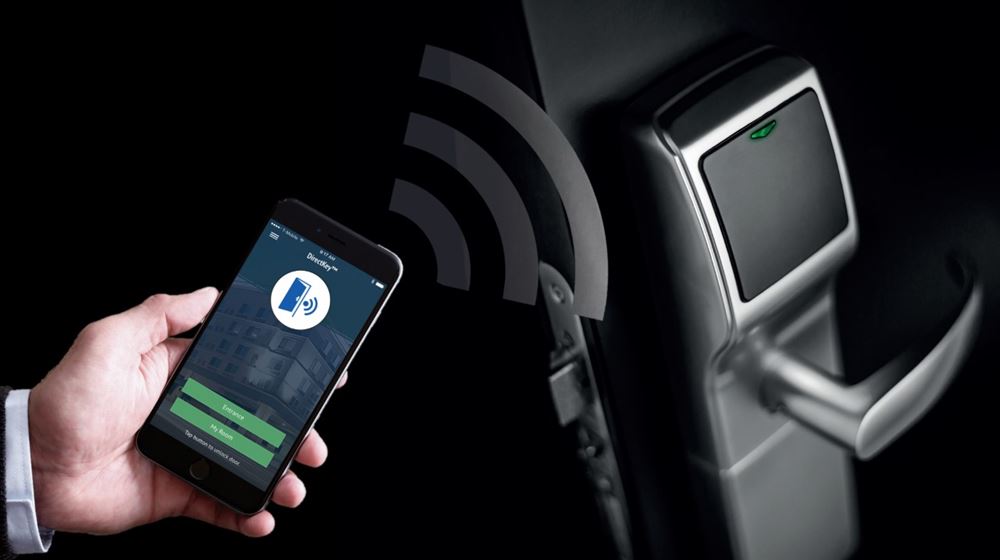
- Digital Room Key: After the check-in process is completed, the app sends a digital room key to the guest’s smartphone, allowing them to unlock their room door via Bluetooth or NFC (Near Field Communication).
- No Front Desk Interaction: Once checked in, guests can bypass the front desk entirely, heading straight to their room with the app serving as the key to access both the room and hotel amenities.
This system not only reduces the waiting time traditionally spent at the front desk but also offers a more convenient and hygienic experience.
2.2 Self-Service Kiosks
For guests who prefer not to use mobile apps or do not have a smartphone, many hotels now provide self-service kiosks in their lobbies. These kiosks are equipped with touchscreens and allow guests to check in quickly by scanning a QR code from their booking confirmation or entering reservation details manually.
Guests can:
- Check in by providing identification or reservation codes.
- Pay for their stay if it has not already been completed online.
- Receive a digital room key or a physical key card from the kiosk.
Self-service kiosks help reduce queues at the front desk, streamline operations, and reduce the workload of hotel staff, especially during peak check-in hours.
2.3 Contactless Payments and Identity Verification
Many contactless check-in systems also integrate contactless payment and identity verification features. For example, guests may have the option to pay via Apple Pay, Google Pay, or other digital wallets directly within the hotel’s app, eliminating the need for cash or credit card swipes.
Some systems also utilize biometric identification (such as facial recognition) to verify guests’ identity upon check-in, further reducing physical contact while enhancing security.
3. Advantages of Contactless Hotel Check-in
3.1 Enhanced Guest Experience
Contactless check-in offers a significantly improved experience for guests. Here are some key benefits:
- Speed and Convenience: Traditional check-in processes often involve waiting in line at the front desk. With mobile apps or self-service kiosks, guests can check in and head straight to their rooms, bypassing the front desk entirely.
- Increased Flexibility: Guests can check in remotely at any time, even before arriving at the hotel. This flexibility is particularly beneficial for those with tight schedules or late-night arrivals.
- Personalized Experience: Many hotel apps offer personalization features, allowing guests to select room preferences, make special requests (e.g., extra towels, late check-out), or access hotel services directly from their phone.
- Safety and Hygiene: In the post-pandemic world, minimizing physical contact is crucial. Contactless check-in reduces exposure to shared surfaces like pens, paper forms, and key cards, ensuring a safer and more hygienic process for guests and staff alike.
3.2 Operational Efficiency for Hotels
For hotel operators, contactless check-in offers significant benefits in terms of efficiency and cost savings:
- Reduced Labor Costs: With fewer guests needing assistance at the front desk, hotels can allocate their staff to other areas, such as housekeeping or concierge services.
- Faster Check-in Times: With fewer touchpoints and quicker check-in processes, hotel staff can handle more guests in less time, particularly during busy periods.
- Improved Guest Flow: By reducing check-in time and minimizing congestion at the front desk, hotels can improve overall guest flow, contributing to a better guest experience.
- Better Resource Allocation: With mobile check-ins, hotels can gain more insights into guest preferences, travel times, and behavior, allowing them to allocate resources more effectively and enhance personalized offerings.
3.3 Increased Guest Satisfaction and Loyalty
The adoption of contactless check-in technologies enhances guest satisfaction. Travelers appreciate the convenience, speed, and modernity that these technologies provide. Hotels that offer seamless, contactless check-in processes may see higher ratings and better guest loyalty.
Additionally, many hotels are able to integrate loyalty programs within their apps, making it easier for guests to earn rewards or redeem points through their digital profiles.
4. Challenges of Contactless Hotel Check-in
4.1 Digital Divide and Technological Barriers
While contactless check-in offers numerous benefits, there are challenges to consider, especially for certain groups of travelers.
- Tech-Savvy Demands: While younger generations and frequent travelers may embrace mobile check-ins with ease, older guests or those not comfortable with technology may feel excluded.
- Access to Technology: Guests without smartphones or those traveling in regions with limited internet access may face difficulties using mobile apps or kiosks for check-in.
- System Reliability: As with any technology, there is always the potential for technical issues. If the mobile app or kiosk system malfunctions, it could lead to delays or frustration for guests.
4.2 Data Privacy and Security Concerns
The increased reliance on digital check-in systems raises concerns about data privacy and security. Guests’ personal information, such as credit card details, identification, and booking preferences, are stored in hotel databases. Hotels must implement stringent cybersecurity measures to protect guest data and comply with privacy regulations like the GDPR (General Data Protection Regulation) in Europe.
To alleviate concerns, hotels must ensure that their contactless check-in systems are secure and transparent about how data is used and stored.
4.3 Implementation Costs
For hotels, especially smaller independent properties, the upfront cost of installing contactless check-in technology (such as apps, kiosks, or digital room keys) can be significant. However, many hotels find that the long-term savings in operational efficiency and increased guest satisfaction make the investment worthwhile.
5. The Future of Contactless Hotel Check-in
5.1 Integration with Other Technologies
As technology continues to evolve, we can expect contactless hotel check-in to integrate with other innovations in the hospitality industry. For example:
- Voice-activated check-ins: With the rise of smart speakers and AI-powered devices, voice-assisted check-in could be the next frontier, where guests simply speak to their devices to check in or unlock doors.
- AI-powered personalization: The use of artificial intelligence could allow hotels to predict guest preferences and offer tailored experiences, making the check-in process even more personalized and efficient.
5.2 Expanding Beyond Hotels
Contactless check-in technology is not limited to just hotels. As other sectors like airlines, car rentals, and even restaurants adopt similar innovations, the travel and tourism ecosystem will become even more seamless and integrated.
5.3 Continued Focus on Hygiene and Safety
As the world continues to adapt to the post-pandemic landscape, contactless technologies will play a key role in ensuring that hygiene, safety, and guest comfort remain at the forefront of the hospitality experience.
Conclusion
Contactless hotel check-in is more than just a passing trend—it is a reflection of the changing expectations of travelers and the evolving demands of the hospitality industry. With the ability to provide faster, safer, and more efficient experiences, contactless check-in systems are likely to become a permanent fixture in the hotel industry.
While there are challenges to overcome, particularly in terms of accessibility, data security, and cost, the benefits for both guests and hotel operators are clear. As technology continues to advance, we can expect even more innovations that will further transform the hotel experience, providing greater convenience, personalization, and satisfaction for travelers worldwide.