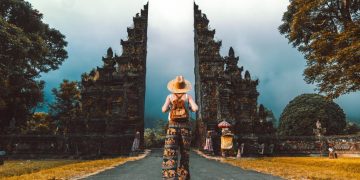









Travel has evolved significantly over the past few decades. While the allure of famous landmarks and well-trodden tourist paths continues to captivate many, an increasing number of modern travelers are seeking out more authentic, off-the-beaten-path experiences. Rather than simply ticking off famous destinations, these travelers are drawn to places that offer a deeper connection to local culture, customs, and traditions. They want to immerse themselves in the heartbeat of a destination, beyond the glossy brochures and iconic landmarks.
In an era of mass tourism and readily available information, the desire for uniqueness and authenticity has become a defining characteristic of many travelers. As people become more conscious of the impacts of tourism on local communities, there is a growing movement toward sustainable, culturally immersive travel that goes beyond superficial sightseeing. Travelers are now more eager than ever to experience the true essence of a place, and this is often found in its people, customs, and everyday life.
This article explores the motivations behind this shift in travel preferences, the value of cultural immersion, and how travelers are increasingly prioritizing local traditions over popular tourist spots. We will delve into how this trend enriches the travel experience and benefits both the traveler and the communities they visit.
The Shift Towards Experiential and Cultural Travel
In recent years, there has been a noticeable shift away from the traditional model of tourism, where the goal was often to visit the most famous landmarks in the world, take a few photos, and check them off a list. Instead, there is a growing emphasis on experiential travel, where the focus is placed on meaningful, immersive experiences that allow travelers to engage with local culture and traditions.
1. The Rise of Cultural Tourism
Cultural tourism, which involves visiting destinations to experience the culture, customs, and way of life of a region or community, has grown exponentially in popularity. Today, cultural tourism is one of the most sought-after forms of travel, especially as travelers seek to enrich their lives with new perspectives and knowledge.
Cultural tourism is not just about visiting museums or monuments; it’s about delving into the local way of life. Travelers might participate in cooking classes to learn traditional recipes, engage in religious ceremonies to understand local beliefs, or stay with local families to experience daily life firsthand. These experiences provide travelers with a much deeper understanding of a destination than merely visiting a few iconic sites.
Why Cultural Immersion Matters
There is something uniquely profound about immersing oneself in a different culture. It allows travelers to break down preconceived notions, confront stereotypes, and gain a deeper appreciation for diversity. Rather than simply being a spectator, cultural tourism encourages active participation, creating a more meaningful and authentic experience.
For example, in Morocco, travelers can explore the bustling souks and markets, where the scents of spices fill the air, but they can also take part in a traditional mint tea ceremony in a local home or visit the artisans who handcraft leather goods. These types of interactions provide insight into the lives of locals that you cannot get from just visiting a popular tourist site.
2. The Appeal of Authenticity Over Commercialized Tourism
Many travelers today are disillusioned with the over-commercialization of popular tourist destinations. Iconic locations like the Eiffel Tower in Paris, the Colosseum in Rome, or Times Square in New York are often overcrowded with tourists, and the experience can feel less about discovery and more about consumerism. The once-in-a-lifetime magic of these sites can quickly become diluted by large crowds, high prices, and mass-produced souvenirs.
In contrast, travelers are now seeking out quieter, more authentic experiences. These experiences allow them to form personal connections with the local culture and avoid the “cookie-cutter” tourist traps that have become synonymous with overcrowded destinations.
Examples of Authentic Travel Experiences
- Japan’s Rural Villages: While Tokyo and Kyoto are famous for their cultural landmarks, visitors seeking a deeper understanding of Japanese life can explore the country’s rural villages. Areas like Shirakawa-go, a UNESCO World Heritage Site, offer a glimpse into traditional thatched-roof houses, ancient farming practices, and quiet rural life.
- Peruvian Andean Villages: Beyond the famed Machu Picchu, travelers can visit remote Andean villages where traditional customs, such as weaving and agricultural practices, have been preserved for centuries. Staying with local Quechua families allows travelers to experience the authentic rhythms of life in the mountains.
- Tanzania’s Maasai Mara: While safari tourism is popular in Africa, some travelers seek out opportunities to engage with local communities, such as the Maasai people, whose traditional lifestyle and customs remain largely intact despite the challenges of modernization. Visitors can participate in Maasai dances, learn about their rituals, and stay in authentic Maasai homesteads, known as “enkangs.”
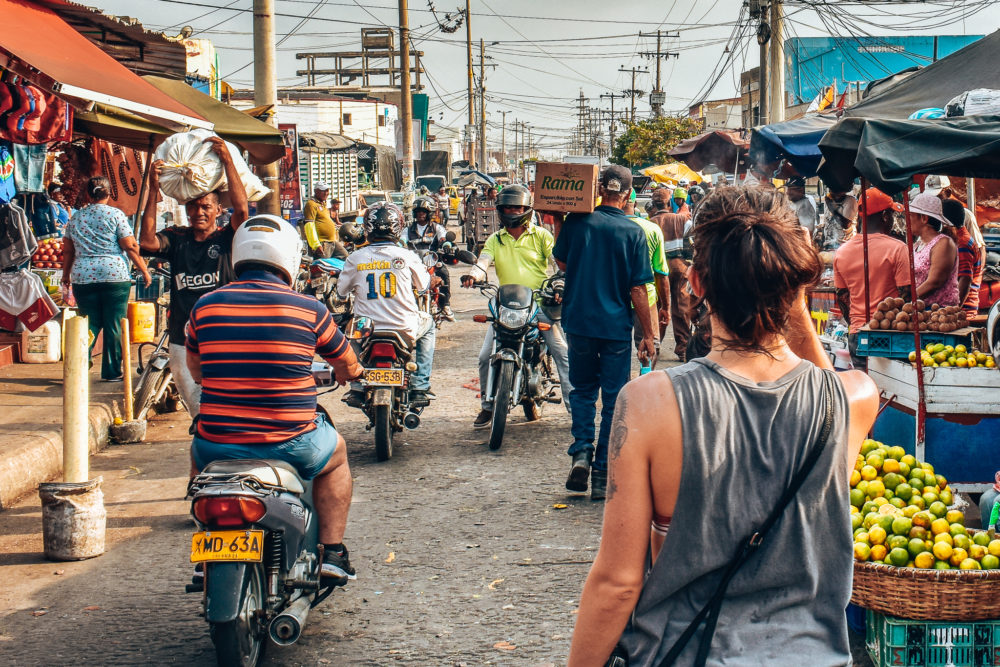
The Benefits of Cultural Immersion for Travelers
Traveling with a focus on culture, traditions, and local customs provides numerous personal benefits, making the experience far more enriching than simply sightseeing.
1. Personal Growth and Self-Discovery
Immersing oneself in a new culture often leads to profound personal growth. Travel forces individuals to confront their assumptions, adapt to new environments, and step outside their comfort zones. This process can lead to a greater sense of self-awareness and understanding. When people travel to places that challenge their worldviews, they often return home with a deeper appreciation for diversity and new perspectives on their own lives.
2. Learning New Skills
Cultural travel offers the chance to acquire new skills that are both practical and personal. Cooking classes, traditional arts and crafts workshops, and language lessons are all part of the cultural tourism experience. These activities allow travelers to connect with locals while learning something that can be applied back home.
For example, participating in a cooking class in Thailand where travelers learn to make authentic pad Thai or curries introduces them to the delicate balance of flavors in Thai cuisine. Similarly, in Italy, travelers can take part in a hands-on pizza-making class or learn the art of pasta from skilled Italian chefs.
3. Building Meaningful Connections
Rather than simply observing from the outside, travelers who engage with local communities often form lasting relationships with the people they meet. Whether through homestays, volunteer programs, or community-based tourism initiatives, travelers are able to interact with locals on a more personal level. These connections not only enrich the travel experience but often lead to lifelong friendships and a deeper sense of belonging in the destination.
In Vietnam, for instance, travelers can join community-based tourism projects that allow them to live and work with local families in rural villages, contributing to sustainable development efforts while learning about traditional farming methods and indigenous customs.
4. Supporting Local Communities
Cultural tourism benefits both the traveler and the local community. By engaging in authentic cultural experiences, travelers contribute to the local economy in a way that is more sustainable than traditional tourism. In many destinations, income from tourism is a vital source of livelihood for local families and communities. Moreover, cultural tourism encourages the preservation of traditions and customs, helping to keep them alive for future generations.
For example, the Sapa region of Vietnam relies heavily on tourism, but through responsible and culturally sensitive tourism practices, travelers can help support local ethnic minorities, such as the Hmong people, by purchasing handmade goods, staying with families, and participating in community projects.
5. Environmental Sustainability
Cultural tourism also tends to have a smaller environmental footprint compared to mass tourism. Popular tourist destinations often experience overcrowding, environmental degradation, and unsustainable practices. By choosing destinations that are off the beaten path and focusing on cultural experiences, travelers can reduce the pressure on over-exploited sites and contribute to the conservation of local ecosystems and heritage sites.
Destinations such as Bhutan have embraced a model of high-value, low-impact tourism, where the number of visitors is limited, and the emphasis is on sustainability and environmental conservation. The revenue generated by tourism helps fund conservation efforts and protects Bhutan’s unique cultural and natural heritage.
The Future of Travel: Cultural Exploration and Responsible Tourism
As the demand for unique, culturally immersive travel experiences continues to rise, it is essential to consider the role of responsible tourism. Sustainable travel practices ensure that both travelers and local communities benefit without causing harm to the environment or cultural heritage.
1. Supporting Local Artisans and Traditions
One key area where travelers can make a meaningful impact is by supporting local artisans and their traditional crafts. Whether it’s purchasing handmade textiles in Peru, attending a pottery workshop in Turkey, or buying locally produced handicrafts in Morocco, spending money on authentic local products helps preserve the skills and crafts that have been passed down through generations.
2. Promoting Cultural Sensitivity
With the increasing trend toward cultural immersion, travelers must also be mindful of the potential risks of cultural appropriation. It is important to approach travel with respect, awareness, and understanding of the local customs, and always prioritize authenticity over superficial experiences. This ensures that the tourism experience is mutually beneficial, enriching both the traveler and the host community.
3. The Role of Technology in Facilitating Cultural Connections
Technology also plays a significant role in shaping the future of cultural travel. With the rise of platforms like Airbnb Experiences, travelers now have greater access to authentic, local experiences that connect them with hosts, guides, and artisans. Digital tools also enable travelers to research and book cultural experiences that are aligned with their values, ensuring they can engage with local communities in a responsible and respectful way.
Conclusion: Embracing the True Essence of Travel
As the world of travel continues to evolve, it’s clear that travelers are increasingly seeking more than just a picture-perfect vacation. They are seeking authentic experiences that connect them with the heart of a destination—the culture, traditions, and people that make it unique. By choosing destinations with rich cultural heritage and engaging with local customs, travelers not only deepen their own understanding of the world but also contribute to the preservation of cultural identities and sustainable tourism practices.
Travel is no longer just about seeing the sights; it’s about truly experiencing the places we visit and forming lasting connections with the cultures and communities that make them special. In doing so, we not only enrich our own lives but also help ensure that future generations can continue to experience the unique beauty and diversity of the world’s cultures.