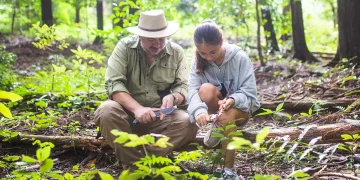









Surviving in extreme environments—whether it’s the scorching heat of the desert, the freezing cold of the Arctic, the dense and humid jungles, or the barren mountains—requires more than just physical endurance. It demands a deep knowledge of essential survival skills, as well as the ability to remain calm and resourceful under extreme stress. For those who find themselves in life-threatening wilderness situations, survival hinges on the mastery of several critical skills: obtaining safe drinking water, building an effective shelter, hunting for food, and protecting oneself from dangerous wildlife.
While modern survival gear and technology can certainly improve one’s odds in extreme conditions, true survival depends on knowledge and adaptability. The ability to quickly assess your environment, use available resources, and employ practical survival techniques is often the deciding factor between life and death. Whether you’re planning an adventure into the wild or want to develop your outdoor skills, understanding how to stay alive in some of the harshest conditions is not just a useful skill—it’s potentially life-saving.
This guide explores these fundamental survival skills in depth, offering insights into water collection and purification, shelter building, hunting, and wildlife defense strategies. It will focus on providing readers with the knowledge necessary to navigate extreme conditions, with practical advice that could be applied in any environment.
The Importance of Survival Skills
Survival is not about being able to fight against nature—it’s about learning how to live with it. The wild environments in which we find ourselves in dire situations are full of both challenges and solutions. Understanding how to use the environment to your advantage is the key to enduring, and eventually thriving, in these extreme conditions.
1. Finding and Purifying Water
In any survival scenario, water is the top priority. Humans can survive for weeks without food but only a few days without water. In extreme environments, the challenge becomes not only finding water but also purifying it to make it safe to drink. Waterborne pathogens and contaminants can quickly lead to illness, which makes purification essential.
1.1 How to Find Water in Extreme Environments
Finding water in the wild is one of the most challenging aspects of survival. The environment may not provide obvious sources, and your knowledge of water behavior is critical.
- Deserts: In arid regions like deserts, water is extremely scarce, but not impossible to find. Look for animal tracks, which often lead to water sources like watering holes. Plant life, such as cactus, also stores water, and it can be extracted by cutting into the flesh of the plant. You can also look for signs of moisture in areas like dry riverbeds.
- Tundra or Snow: In cold climates, melting snow or ice provides a ready source of water. Always ensure that the water is boiled to kill bacteria and other pathogens, as snow may be contaminated with environmental pollutants.
- Forests and Jungles: Dense foliage usually indicates that water is nearby. Follow animal trails, look for large trees or plants like bamboo, which store water in their trunks. Rainwater collection is also an option; setting up a tarp or a makeshift funnel can help capture rainwater for drinking.
1.2 Purification Methods
Once water is found, it often needs to be purified to make it safe to drink.
- Boiling: The most reliable method of purification is boiling. Bringing water to a rolling boil for at least 1-3 minutes kills most pathogens and makes it safe to drink.
- Filtration: If you have no access to boiling equipment, creating a makeshift filter can help. Layer cloth, charcoal, sand, and gravel in a container, and pour the water through the filter. This removes debris and larger contaminants, though you should still boil or chemically treat the water for safety.
- Chemical Treatment: Water purification tablets or iodine can be used to kill bacteria. These are essential tools for any survival kit and should be used when boiling isn’t an option.
2. Building Shelter
Shelter is the second critical survival need. Exposure to the elements—be it extreme cold, heat, rain, or wind—can quickly result in hypothermia or heatstroke. Having a well-constructed shelter allows you to maintain body heat, keep dry, and protect yourself from the surrounding environment.
2.1 Choosing a Shelter Location
When building shelter, selecting the right location is essential. Factors to consider include:
- Protection from the elements: Choose a spot that shields you from strong winds, rainfall, or direct sunlight.
- Safety: Avoid areas near cliffs, unstable rock faces, or areas where wild animals may roam.
- Proximity to resources: Set up camp near a water source, but not so close that flooding or exposure to wild animals becomes a concern.
2.2 Types of Shelters for Extreme Environments
The type of shelter you need depends on the environment you’re in.
2.2.1 In Hot Environments (Deserts, Dry Climates)
In hot environments, shelter is needed primarily for protection against sun exposure and dehydration. Creating shade is vital to prevent heat exhaustion. Consider the following types of shelters:
- Tarp or cloth shelters: Stretching a tarp between trees or tying it to create a shade canopy can effectively block the sun.
- Digging a trench: Digging a shallow trench can provide some relief from the heat by lowering your body to cooler ground temperatures.
2.2.2 In Cold Environments (Arctic, High Altitudes)
In freezing conditions, your shelter must retain heat. Techniques for building shelters in cold environments include:
- Snow caves: Snow is a great insulator, and digging into a snowbank to create a cave can provide excellent protection from the cold.
- Insulated shelters: Building a lean-to with branches, logs, and leaves can help trap body heat, especially if you line the shelter floor with insulation like pine needles or grass.
2.2.3 In Forests and Woodlands
In temperate forests, shelters can be made using available materials like branches, leaves, and grass.
- Debris shelters: Gather branches and leaves to create a sturdy frame and layer them to provide insulation.
- Lean-to shelters: Use fallen trees or branches to create a structure and cover it with leaves, moss, or other natural materials for insulation.
3. Hunting and Finding Food
Hunting and gathering food is the third challenge in survival situations. Although your immediate priority is water and shelter, you’ll eventually need sustenance to stay alive and maintain energy levels.
3.1 Foraging for Edible Plants
Foraging is often the easiest and most effective way to find food in nature. In many environments, edible plants are abundant, but it’s crucial to know which plants are safe to eat.
- Wild Berries and Fruits: In temperate climates, wild berries such as raspberries, blackberries, and blueberries can provide essential nutrients.
- Roots and Tubers: Many wild root vegetables, like dandelion roots, are edible. Make sure you cook them to remove toxins.
- Leaves: Some plants, like dandelions and clover, are edible and can be eaten raw or boiled to make a nutritious soup.
3.2 Hunting Techniques
If foraging isn’t enough or you need a more substantial source of protein, hunting becomes necessary. Here are some basic techniques for hunting in the wild:
- Traps and Snares: Setting traps is an excellent method for catching small animals like rabbits, squirrels, or birds. Snares, made from string or wire, can be set along animal trails to catch unsuspecting prey.
- Fishing: If you’re near a water source, fishing can be a reliable food source. Improvised spears, nets, or fishing lines can be used to catch fish. Even without a rod, you can craft makeshift tools using materials from the environment.
3.3 Eating Insects
Insects are a good source of protein and can be easily collected in most environments. Insects such as ants, grasshoppers, and beetles are high in nutrients. Be cautious, however, and avoid brightly colored insects or those that might be poisonous.
4. Defending Against Wildlife
While the wilderness offers an abundance of resources, it also poses significant dangers, particularly from wildlife. Knowing how to protect yourself from dangerous animals is crucial to survival.
4.1 Avoidance Strategies
One of the most effective ways to protect yourself from wild animals is to avoid encounters altogether. This can be achieved by:
- Making noise: Many animals will avoid humans if they hear them approaching. Shout, bang on rocks, or use a whistle to alert wildlife of your presence.
- Camping smart: Set up your shelter away from known animal paths and avoid leaving food scraps around, which can attract predators.
4.2 Defensive Techniques
If you find yourself face-to-face with a wild animal, your reaction will depend on the situation.
- Bears and Large Mammals: If confronted by a bear or large predator, make yourself appear larger by standing tall and shouting. Back away slowly without turning your back.
- Snake Encounters: Avoid snake bites by keeping a safe distance. If you are bitten, use a tourniquet above the bite and seek immediate medical help if possible.
4.3 Weapon Crafting
In the absence of firearms or modern weapons, crafting rudimentary weapons is an essential survival skill. Spears, arrows, and knives can be made from sharp rocks, sticks, and other natural materials.
5. Mental and Emotional Resilience in Extreme Environments
While physical survival skills are essential, mental resilience is equally important in extreme situations. The stress and isolation of being in a life-threatening environment can take a significant toll on your mental state.
- Stay Calm: Panic can cloud judgment and decision-making. Focus on basic survival needs and keep a clear head.
- Create a Routine: Establishing a daily routine for tasks like water collection, shelter building, and hunting will help maintain focus.
- Positive Mindset: Always keep a positive mindset and visualize success. It’s essential to stay motivated and not give in to despair.
Conclusion
Surviving in extreme environments demands a wide range of skills, from practical techniques like water purification and shelter building to mental resilience and wildlife defense. Mastering these skills increases the likelihood of survival and enhances your ability to thrive under pressure.
While surviving in the wilderness may seem daunting, it is also an opportunity to connect with nature and learn essential life skills that transcend the modern world. Whether you’re preparing for an adventure or just want to be better equipped for the unknown, the skills outlined in this article can provide the foundation for surviving—and ultimately thriving—in extreme environments.