





Introduction
The allure of a European road trip is undeniable. From the majestic Alps of Switzerland to the sun-kissed beaches of the Mediterranean, Europe offers an extraordinary variety of landscapes, cultures, and histories that are best explored at your own pace. Self-driving through Europe allows travelers the flexibility to roam from country to country, take scenic routes off the beaten path, and immerse themselves in local cultures, all while enjoying the thrill of the open road.
Self-driving in Europe is one of the most rewarding ways to travel. It not only offers a level of independence but also lets you experience the beauty and diversity of the continent in a way that no other form of travel can. Whether you’re planning a cross-country adventure or simply looking to explore a specific region, a European road trip offers unparalleled opportunities for discovery.
In this article, we’ll delve into the ins and outs of European self-drive tours, offering practical advice on planning your trip, tips for navigating the roads, must-see destinations, and the best scenic routes that make Europe a dream destination for road trippers.
Why Choose a Self-Drive Tour in Europe?
Europe is well-suited for self-drive tours for a variety of reasons. Here’s why a road trip through this diverse and fascinating continent should be on your travel bucket list:
1. Flexibility and Freedom
When traveling by car, you can set your own pace. You can linger longer in a charming village, stop at scenic viewpoints, or take a detour to visit a hidden gem that isn’t on the typical tourist radar. Unlike organized tours, a self-drive adventure allows you to fully customize your itinerary, giving you the freedom to travel on your own terms.
2. Diverse Landscapes and Cultures
Europe offers an astounding range of landscapes, from the rugged coastlines of Portugal to the rolling vineyards of France and the snowy peaks of the Scandinavian mountains. By driving, you can easily cross borders and experience multiple cultures, languages, and cuisines in a short span of time. Whether you’re in a historic city like Prague or driving through the tranquil countryside of Tuscany, each day offers a new adventure.
3. Convenient Road Infrastructure
Europe has one of the most efficient and well-maintained road networks in the world. From the high-speed highways of Germany to scenic backroads in Italy, Europe’s roads are designed for easy and comfortable driving. With clear road signs, quality signage, and rest areas, driving in Europe is relatively easy for those who are used to driving in countries with similar traffic rules.
4. Access to Remote Areas
Many of Europe’s most picturesque destinations, such as the remote fjords of Norway, the mountains of the Swiss Alps, and the tranquil islands of Greece, are often difficult to reach by public transport. A road trip allows you to access these hidden gems and explore areas that might be off-limits to traditional tourists.
5. Cost-Effectiveness for Groups and Families
For groups or families, renting a car can often be more economical than purchasing multiple train or flight tickets. Additionally, having a vehicle means you can travel directly from one place to another without the hassle of waiting for transportation or worrying about luggage.
Preparing for Your European Road Trip
Before hitting the road, it’s essential to plan your trip carefully. While driving in Europe is relatively easy, there are some practical considerations and legal requirements that you should be aware of.
1. Choosing the Right Vehicle
The type of vehicle you choose depends on your route, travel companions, and preferences. For a solo traveler or a couple, a compact car may be sufficient, but if you’re traveling with family or friends, a larger vehicle such as an SUV or a minivan may be more comfortable. Some rental agencies also offer hybrid or electric vehicles for eco-conscious travelers.
If you’re planning to tackle mountainous regions or rougher terrain, consider renting a 4×4 vehicle with good handling and ground clearance.
2. Driving License Requirements
Most EU countries recognize driving licenses from non-EU countries, especially if you hold an International Driving Permit (IDP) in addition to your regular driver’s license. Make sure to check specific requirements for the countries you’ll be visiting, as some may require an IDP for short-term travelers.
3. Understanding the Road Rules
European road rules vary by country, so familiarize yourself with the local traffic regulations. Some general rules include:
- Speed Limits: Speed limits are generally well-marked. In many countries, highways have limits of 120-130 km/h (74-81 mph), while city limits may be 50 km/h (31 mph). Always check the road signs for local speed limits.
- Driving on the Right: Most of Europe drives on the right-hand side of the road, except for the United Kingdom and Ireland.
- Alcohol Limits: Many European countries have strict alcohol consumption laws, with a legal blood alcohol content (BAC) limit often lower than in other parts of the world. It’s best to avoid alcohol altogether if you’re driving.
- Seatbelts and Safety: Seatbelts are mandatory for all passengers in most European countries. Make sure everyone is buckled up at all times.
4. Insurance and Breakdown Assistance
Ensure that your rental car includes insurance coverage for accidents, damage, and theft. It’s also advisable to have roadside assistance included in case of an emergency. Most rental companies offer comprehensive packages, but always read the fine print to ensure you’re fully covered.
5. Road Tolls and Fees
Many European countries charge tolls on highways and major roads. These tolls can be paid at toll booths or through electronic systems, such as France’s “Télépéage” or Italy’s “Autostrade.” Make sure to have cash or a credit card available for toll payments.
In addition to tolls, parking fees in cities can be expensive, so it’s advisable to plan where you will park and consider using public parking garages or park-and-ride options.
Top Road Trip Routes in Europe
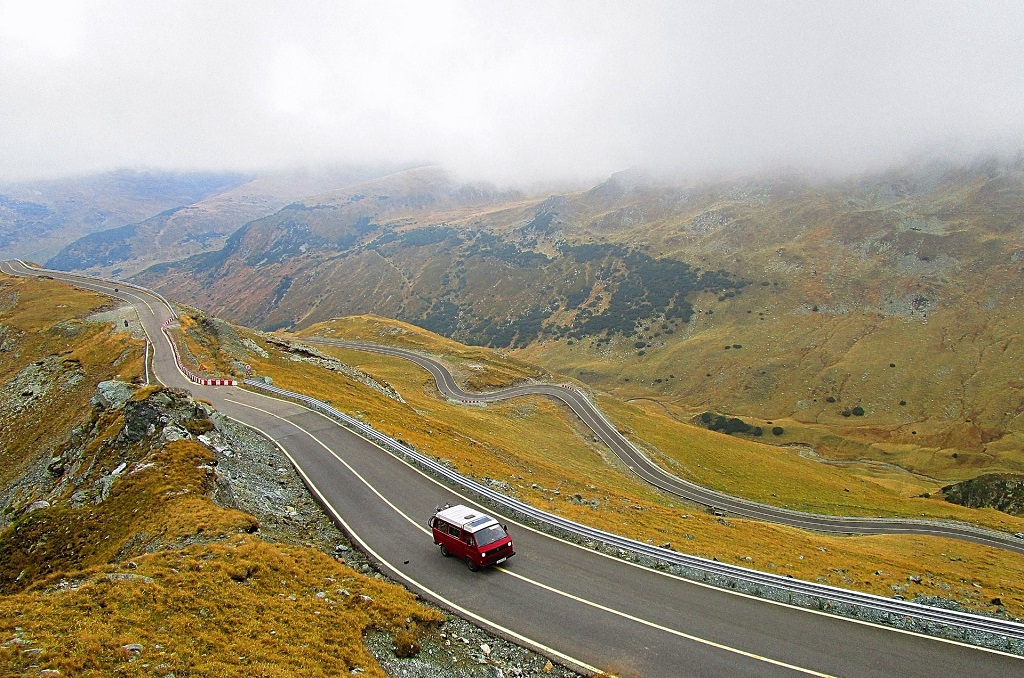
Europe offers some of the most scenic and iconic road trips in the world. Here are some of the best routes that will take you through breathtaking landscapes, charming villages, and historic landmarks:
1. The Romantic Road – Germany
The Romantic Road is one of Germany’s most popular road trip routes, stretching from Würzburg in the north to Füssen in the south. The 350-kilometer (220-mile) journey takes you through medieval towns, fairytale castles, and rolling hills, offering an unforgettable experience of Bavarian culture and history.
- Must-See Stops: Neuschwanstein Castle, Rothenburg ob der Tauber, Dinkelsbühl, and Nördlingen.
- Best for: History enthusiasts, castle lovers, and those looking for a picturesque Bavarian countryside experience.
2. The Amalfi Coast – Italy
The Amalfi Coast in southern Italy offers one of the most stunning coastal drives in Europe. The narrow roads hug the cliffs above the Mediterranean, providing spectacular views of turquoise waters, rugged landscapes, and colorful villages.
- Must-See Stops: Positano, Ravello, Amalfi, Sorrento, and the island of Capri.
- Best for: Scenic views, Mediterranean culture, and culinary delights.
3. The Ring Road – Iceland
Iceland’s Ring Road (Route 1) is a 1,332-kilometer (828-mile) route that loops around the island, providing access to some of the most surreal landscapes on earth. From glaciers and volcanoes to waterfalls and hot springs, the Ring Road offers an adventure like no other.
- Must-See Stops: The Blue Lagoon, Thingvellir National Park, Jökulsárlón Glacier Lagoon, Gullfoss waterfall, and the Northern Lights.
- Best for: Nature lovers, adventure seekers, and photographers.
4. The Route des Grandes Alpes – France
The Route des Grandes Alpes is a 684-kilometer (425-mile) route that takes you through the French Alps. Starting from Lake Geneva and ending in Nice on the Mediterranean coast, this road trip offers stunning mountain views, winding passes, and picturesque villages.
- Must-See Stops: Chamonix, Mont Blanc, Col de l’Iseran, and Nice.
- Best for: Mountain enthusiasts, hikers, and cyclists.
5. Scotland’s North Coast 500
The North Coast 500 (NC500) is a 500-mile route that takes you around the rugged northern coastline of Scotland. Known for its breathtaking beauty, the route passes through towering cliffs, white-sand beaches, and historic castles.
- Must-See Stops: Inverness, Dornoch, Ullapool, and the Isle of Skye.
- Best for: Nature lovers, photographers, and history buffs.
6. The Trollstigen – Norway
Norway’s Trollstigen (Troll’s Ladder) is a thrilling mountain pass with hairpin turns and steep gradients that offer some of the most dramatic views of Norway’s fjords and mountains. The drive culminates at the famous Trollstigen viewpoint.
- Must-See Stops: Geirangerfjord, Ålesund, and the Lofoten Islands.
- Best for: Adventure travelers, photographers, and those seeking dramatic landscapes.
Tips for a Successful European Road Trip
To make the most of your European road trip, here are some essential tips:
1. Plan Your Route Ahead of Time
While spontaneous detours can be exciting, it’s important to plan your main route and key stops ahead of time. Having a general itinerary ensures you don’t miss out on any must-see destinations and helps you avoid getting lost.
2. Pack Smart
Pack light, especially if you’re traveling in a small car. Bring only the essentials, including travel documents, a first aid kit, a power bank for your phone, and a map (in case GPS fails).
3. Stay Flexible
While planning is crucial, leave room for spontaneity. The beauty of a road trip is the freedom it offers. Don’t hesitate to explore uncharted places or spend more time in a town you love.
4. Respect Local Culture
Be mindful of local customs, driving etiquette, and language. Learn a few basic phrases in the local language (especially “hello” and “thank you”) and understand the unique driving rules in each country you visit.
5. Take Breaks and Rest
Driving long distances can be tiring, so take regular breaks to rest and stretch. Not only does this help prevent fatigue, but it also allows you to fully enjoy the scenic beauty around you.
Conclusion
A self-drive tour through Europe is one of the most rewarding travel experiences you can have. It offers unparalleled freedom, access to stunning landscapes, and the opportunity to explore diverse cultures at your own pace. With careful planning, preparation, and a sense of adventure, your European road trip will undoubtedly become a journey you’ll never forget. Whether you’re cruising along coastal roads, winding through mountain passes, or exploring charming villages, the open road awaits with endless possibilities for discovery.