




Introduction
Iceland is a land of contrasts and extremes, where glaciers meet volcanoes, and waterfalls cascade from towering cliffs into pristine rivers. While the country’s well-known attractions such as the Golden Circle, the Blue Lagoon, and the spectacular Northern Lights draw thousands of visitors each year, there are lesser-known, more remote areas that remain hidden gems. Among these hidden treasures are Iceland’s deep mountain lakes and volcanic regions, which offer an entirely different perspective of the country’s natural beauty. These less-explored locations, often far from the tourist crowds, are where adventure seekers, nature lovers, and photographers can find tranquility and awe-inspiring landscapes.
In this article, we will journey through Iceland’s deep mountain lakes and volcanic zones, uncovering the mysteries of these lesser-known regions. From remote crater lakes nestled in volcanic landscapes to the stark beauty of lava fields and geothermal hot spots, these regions offer a chance to experience Iceland’s raw, unspoiled nature. We will explore the unique geological features, the natural history, and the opportunities for adventure in some of Iceland’s most secretive and stunning locations.
The Geology of Iceland: A Land Shaped by Fire and Ice
Before diving into Iceland’s mountain lakes and volcanic regions, it’s essential to understand the geological forces that have shaped this dramatic landscape. Situated on the Mid-Atlantic Ridge, Iceland sits atop a boundary between two tectonic plates: the North American Plate and the Eurasian Plate. This unique positioning leads to frequent volcanic activity, geothermal energy, and dramatic topographical features.
Iceland is home to around 30 active volcanic systems, many of which have shaped the land over the millennia. The country’s topography is marked by towering volcanoes, vast lava fields, deep craters, and geothermal hot springs. Iceland’s volcanic activity has also contributed to the creation of several stunning mountain lakes, often formed in volcanic craters or valleys.
The interplay between fire and ice—volcanic eruptions and glaciers—has resulted in a landscape that is both otherworldly and beautiful. The glaciers have carved deep valleys and fjords, while volcanic eruptions have created craters, geothermal springs, and rugged terrain that continues to evolve.
The Hidden Mountain Lakes of Iceland
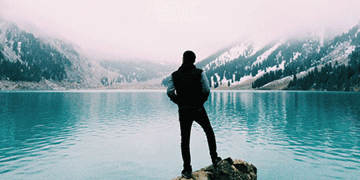
Iceland’s mountain lakes are among the country’s best-kept secrets. These serene, often isolated bodies of water are tucked away in the volcanic wilderness, far from the well-trodden paths of tourists. Though they are not as famous as the Blue Lagoon or Lake Thingvallavatn, Iceland’s mountain lakes offer an unparalleled sense of solitude and natural beauty. Below are some of the most spectacular and lesser-known mountain lakes worth discovering.
1. Lake Askja
Located in the remote central highlands of Iceland, Lake Askja is situated within the Askja caldera, a large volcanic crater formed by eruptions that occurred thousands of years ago. The lake itself is a deep, blue body of water surrounded by jagged volcanic terrain. The lake’s color is a result of the minerals from the surrounding volcanic ash, creating a striking contrast against the barren, rugged landscape.
Askja is accessible only via a rough, highland road, making it a more challenging destination for travelers. However, the journey to the lake is part of its charm, as visitors pass through volcanic deserts, glacial rivers, and otherworldly landscapes. The lake is often combined with a visit to Viti Crater, a smaller crater lake within the Askja caldera. Viti is famous for its warm waters, which are heated by geothermal activity, allowing visitors to take a rejuvenating dip in a natural hot spring while surrounded by volcanic cliffs.
2. Lake Mývatn
While Lake Mývatn is more well-known than Askja, it remains somewhat off the typical tourist path compared to Iceland’s iconic Golden Circle attractions. Located in the north of Iceland, Mývatn is a large, shallow lake that sits in an area of intense geothermal activity. The lake is surrounded by steaming hot springs, fumaroles, and bubbling mud pools. The area is also home to numerous volcanic craters and lava fields, making it a visually captivating destination.
The lake itself is a birdwatcher’s paradise, especially during the summer months when migratory birds flock to the area. The surrounding landscape is dotted with unusual geological formations, including the Dimmuborgir lava fields, which resemble a “dark fortress” of towering lava pillars. Mývatn also features Hverir, a geothermal area where steam vents and boiling mud pits create a surreal atmosphere.
While Mývatn is accessible by car and relatively easy to reach, it still offers a tranquil escape, with fewer tourists compared to other parts of Iceland. Its unique combination of volcanic landscapes and geothermal wonders makes it one of the most fascinating regions in Iceland.
3. Lake Thingvallavatn
Situated in the Thingvellir National Park, Lake Thingvallavatn is Iceland’s largest natural lake and a UNESCO World Heritage Site. While the lake is a well-known destination for visitors touring the Golden Circle, it is often overshadowed by the more famous geological and historical attractions in the area, such as the Althing parliament site and the Silfra Fissure.
However, Lake Thingvallavatn itself is a stunning natural gem, especially when visited in the early morning or evening when the lake is still and reflects the surrounding mountains and forests. The lake is fed by groundwater from nearby glaciers, resulting in its crystal-clear waters. It is also home to a variety of fish species, including the Arctic char and the Icelandic brown trout, making it a prime location for anglers.
The lake lies in a tectonic rift zone, and visitors can see the powerful forces of plate tectonics at play, with visible fissures in the surrounding landscape. Thingvellir is also known for being the site of Iceland’s first national parliament, established in the 10th century, adding a layer of historical significance to the area.
Volcanic Regions: Iceland’s Fiery Heart
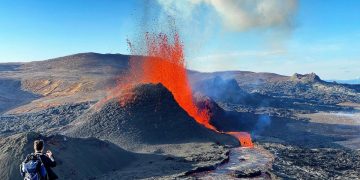
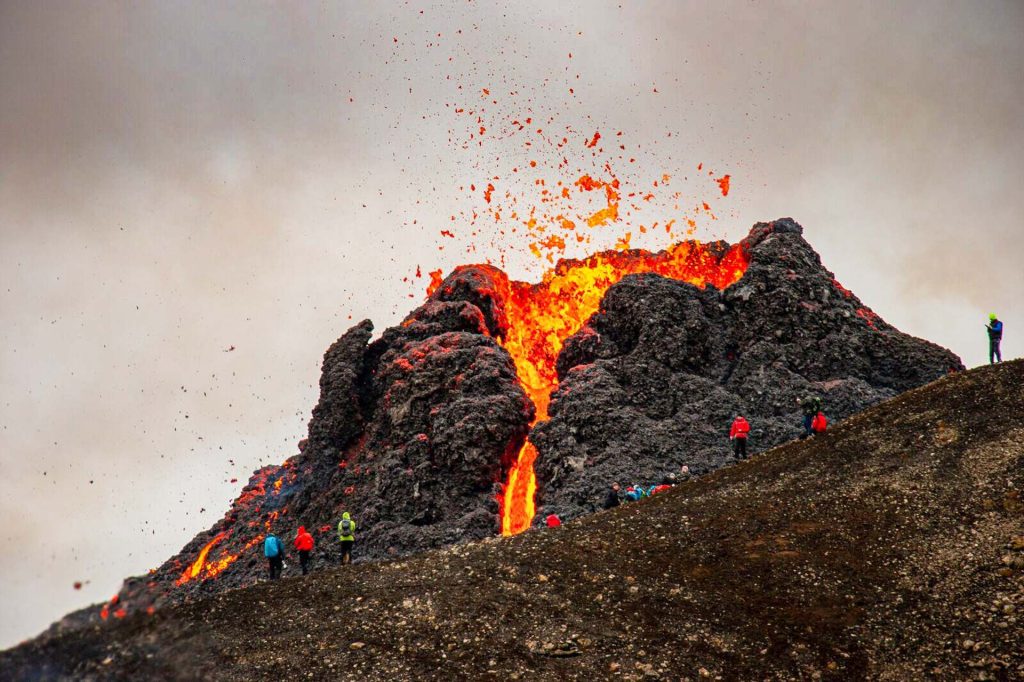
Iceland’s volcanic regions are equally as captivating as its mountain lakes. The country’s active volcanoes and geothermal activity shape the landscape, creating dramatic sceneries and unique geological formations. Here are a few of Iceland’s most striking volcanic regions that remain largely undiscovered by mass tourism.
1. The Vatnajökull Volcano Region
Vatnajökull, the largest glacier in Iceland, covers approximately 8% of the country’s landmass. Beneath this massive ice sheet lies one of Iceland’s most active volcanic regions. Vatnajökull is home to several volcanoes, including Grímsvötn, one of the most active volcanoes in Iceland, and Öræfajökull, which last erupted in the 18th century.
The region around Vatnajökull is rugged and remote, offering visitors the chance to experience the power of both ice and fire. The surrounding landscape is marked by glaciers, ice caves, and volcanic craters, making it a paradise for adventurers. Vatnajökull National Park is a haven for those seeking to explore Iceland’s extreme natural beauty, with opportunities for glacier hiking, ice climbing, and exploring volcanic landscapes.
2. The Fimmvörðuháls Volcano
Located between two iconic Icelandic volcanoes, Eyjafjallajökull and Mýrdalsjökull, Fimmvörðuháls is a volcanic region famous for its stunning hiking trails and dramatic landscapes. The area gained international attention during the 2010 eruption of Eyjafjallajökull, which disrupted air travel across Europe. However, the Fimmvörðuháls area remains one of Iceland’s most beautiful and rugged volcanic regions, with cascading waterfalls, volcanic craters, and vast lava fields.
The Fimmvörðuháls Trail is a popular multi-day hiking route that passes through this volcanic region, offering stunning views of glaciers, volcanoes, and lush valleys. Hikers can also observe the effects of volcanic activity up close, with remnants of lava flows from past eruptions scattered throughout the landscape.
3. Hekla: Iceland’s “Gateway to Hell”
One of Iceland’s most active volcanoes, Hekla is often referred to as the “Gateway to Hell” due to its frequent eruptions and dramatic eruptions throughout history. Located in the south of Iceland, Hekla stands tall at 1,491 meters (4,888 feet), dominating the surrounding landscape. Hekla has erupted more than 20 times since settlement began in Iceland, making it one of the most studied and feared volcanoes in the world.
Despite its fiery reputation, the Hekla region is a beautiful place to explore, with its sweeping views of the surrounding plains, glaciers, and volcanic craters. The volcano is surrounded by rugged lava fields, and its eruptions have shaped the land, creating dramatic landscapes that are perfect for those seeking adventure and solitude.
Adventure and Exploration: Hiking and Tours
Iceland’s deep mountain lakes and volcanic regions are not only for sightseeing—they are playgrounds for those seeking adventure. Hiking, trekking, and guided tours are some of the best ways to experience these hidden gems.
1. Hiking in Iceland’s Volcanic Regions
The volcanic regions of Iceland offer numerous hiking opportunities, from challenging multi-day treks to short walks that lead to dramatic viewpoints. The Laugavegur Trail, one of Iceland’s most famous hikes, passes through geothermal valleys, volcanoes, and glaciers, offering a glimpse of Iceland’s wild beauty. Other popular hikes in volcanic areas include the Fimmvörðuháls Trail and the hike to Hekla Volcano, both of which offer breathtaking views of volcanic landscapes.
2. Geothermal Hot Springs and Relaxation
In addition to hiking, visitors can explore Iceland’s geothermal regions by relaxing in natural hot springs. The Landmannalaugar Hot Springs, located in the highlands, is an excellent spot to unwind after a day of hiking through the volcanic terrain. Many of Iceland’s remote mountain lakes also feature warm geothermal pools, such as the one in Viti Crater, allowing travelers to soak in natural hot springs amidst volcanic scenery.
Conclusion
Iceland’s deep mountain lakes and volcanic regions are some of the most awe-inspiring and remote areas on the planet. These hidden gems offer travelers a chance to experience Iceland’s raw and untamed beauty, far from the crowds of popular tourist spots. Whether you’re seeking solitude in a crater lake, hiking through volcanic landscapes, or simply marveling at the forces of nature that have shaped this unique country, Iceland’s lesser-known destinations promise an unforgettable adventure. For those willing to venture off the beaten path, these hidden treasures are waiting to be discovered, offering unparalleled opportunities to connect with the land and experience Iceland in its most authentic and untouched form.