









Introduction
The desert is one of the harshest environments on Earth, a landscape where life is pushed to its limits, and the extremes of nature are on full display. For travelers seeking adventure, the desert presents an unparalleled opportunity to experience the raw beauty of some of the most unforgiving terrains in the world. Yet, this beauty comes at a steep price—extreme temperatures, water scarcity, and isolation are just a few of the many challenges faced by those who venture into these vast, arid expanses.
Desert expeditions, whether for adventure, research, or simply the pursuit of solitude, require careful preparation and an understanding of the unique risks involved. With scorching heat during the day and freezing temperatures at night, vast stretches of sand dunes, and limited access to resources, desert environments are not for the faint of heart. Yet, for those who dare to undertake such journeys, the rewards are often life-changing, offering a profound connection to nature and a sense of accomplishment.
This article explores the key challenges that travelers face when embarking on desert expeditions. From navigating extreme heat and dehydration risks to overcoming feelings of isolation and the psychological toll of being cut off from civilization, we will delve into the complexities of desert exploration and offer practical advice on how to overcome these challenges. Additionally, we will look at some of the world’s most famous deserts and discuss how travelers can best prepare for their desert adventures.
Understanding Desert Environments
Deserts are defined by their lack of precipitation, typically receiving less than 250 millimeters (10 inches) of rain per year. They can range from hot and dry deserts to cold and icy deserts, each with its own set of challenges for those who wish to explore them. The most iconic deserts, such as the Sahara, the Arabian Desert, and the Mojave, are known for their scorching daytime temperatures, sand dunes, and extreme isolation.
1. Hot Deserts: The Challenge of Scorching Heat
Hot deserts, like the Sahara, the Atacama, and the Kalahari, are characterized by their intense daytime heat, often exceeding 40°C (104°F) in summer months. The sun’s intensity is exacerbated by the dry conditions, which amplify the feeling of heat and make it difficult for the body to cool down. During the day, travelers in hot deserts face extreme physical stress, which can lead to dehydration, heatstroke, and exhaustion if proper precautions are not taken.
The high temperatures can also cause rapid evaporation of any available water, making it all the more important to carry sufficient supplies. This constant exposure to the sun also increases the risk of sunburns and heat-related illnesses.
2. Cold Deserts: The Challenge of Freezing Nights
Not all deserts are hot. Cold deserts, such as the Gobi Desert or parts of the Great Basin Desert, can experience extreme temperature variations between day and night. While the daytime heat may be moderate, the lack of cloud cover allows the desert’s temperature to plummet after sunset, often dropping below freezing. This rapid fluctuation between scorching days and freezing nights presents its own set of challenges, including the need for specialized clothing and shelter to cope with such dramatic temperature changes.
In these environments, dehydration can still be a risk during the day, but the greatest concern may be the dangers posed by hypothermia at night if travelers are unprepared for the cold.
3. Sandstorms and Winds
Sandstorms and strong winds are a frequent hazard in many deserts. These fierce gusts can create blinding clouds of sand, making it difficult to navigate and posing a danger to both the eyes and respiratory system. For travelers on foot or in vehicles, sandstorms can disorient and overwhelm, stripping away visibility and causing extreme discomfort. The abrasiveness of the sand can also damage equipment and even cause injury if the storm is severe enough.
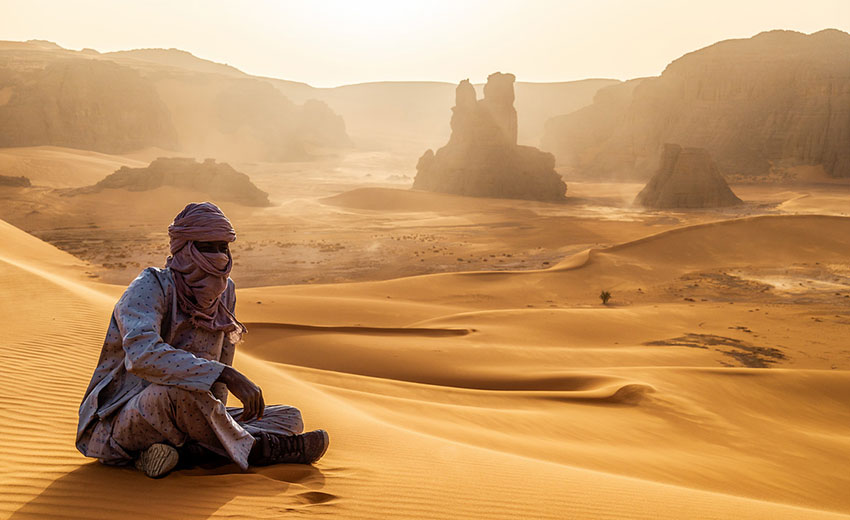
Key Challenges of Desert Exploration
Desert exploration requires both mental and physical endurance. Below, we highlight the most significant challenges that adventurers face when traveling through some of the world’s most inhospitable regions.
1. Extreme Heat and Dehydration
One of the greatest challenges faced by desert explorers is the extreme heat. Without sufficient water and protection from the sun, dehydration can quickly set in. The body loses fluids through sweat as it attempts to cool itself, and without water to replenish these losses, fatigue, confusion, and dizziness can follow. In extreme cases, dehydration can lead to heatstroke, a life-threatening condition that requires immediate medical attention.
The body’s need for hydration is constant, and in the desert, the lack of water sources compounds this issue. Many desert areas are devoid of any natural water supplies, meaning travelers must be prepared to carry water with them or navigate to pre-arranged supply points.
2. Navigating in Isolation
Deserts are vast and remote, often miles away from the nearest town or even a reliable landmark. The feeling of isolation can be psychologically challenging, particularly for those unfamiliar with such harsh conditions. The lack of sensory stimuli—beyond the relentless heat or the vast, barren landscape—can create a sense of disorientation and fatigue. Travelers may feel cut off from the world, adding mental strain to the already physical demands of desert travel.
The isolation of desert exploration also poses logistical challenges. Few trails or roadways are marked, and GPS devices or maps may not always be reliable due to the constantly shifting landscape. Travelers must be prepared to rely on traditional navigation methods, such as the stars or natural landmarks, to orient themselves and avoid getting lost.
3. Risk of Sun Exposure and Heat-Related Illnesses
The intense sun in desert environments means that sunburns, heatstroke, and other sun-related injuries are common. Prolonged exposure to the sun can cause severe skin damage and increase the risk of dehydration. Travelers must take steps to protect their skin by wearing protective clothing, hats, and sunscreen with high SPF. Sunglasses are also essential to protect the eyes from the glaring sun and the reflection of sunlight on the sand.
Even if the temperature is bearable, the relentless exposure to the sun can lead to heat exhaustion, which can impair judgment and reduce physical performance. This can quickly become dangerous, particularly for those who are already dehydrated or fatigued.
4. Limited Access to Food and Water
In a desert, food and water are often scarce. While some deserts have nomadic tribes or oases that provide occasional relief, many explorers will need to carry their own supplies for the duration of their trip. Access to food and fresh water may be limited for days at a time, so planning is crucial. The right equipment, such as portable water filtration systems or water purification tablets, can be a lifesaver if travelers encounter an unplanned detour or extended stay in the desert.
Food is another critical consideration. While desert regions are often home to some edible plants and animals, they can be difficult to find or dangerous to consume if not prepared correctly. Most travelers carry non-perishable foods such as energy bars, dried fruits, and high-protein snacks to sustain themselves during their journey.
5. Psychological Stress and Fatigue
The mental and emotional toll of desert exploration can be profound. The harsh environmental conditions, isolation, and uncertainty of the journey can lead to significant psychological stress. The monotony of the landscape, combined with the physical strain, can cause fatigue, irritability, and even hallucinations. Some adventurers may experience a form of sensory deprivation due to the desert’s vast emptiness, where the mind struggles to process the lack of visual stimuli.
Fatigue from long hours of walking under the heat of the sun or navigating challenging terrain can exacerbate feelings of exhaustion. In extreme cases, this can lead to disorientation, poor decision-making, or even panic. Mental resilience is therefore as important as physical preparation when embarking on a desert expedition.
Preparation and Survival Tips for Desert Travel
While desert travel presents many challenges, proper preparation can mitigate most risks. Below are some tips to ensure a safe and successful desert expedition:
1. Carry Sufficient Water
Water is the most essential supply on any desert expedition. As a general rule, travelers should plan to carry at least 4-6 liters (1-1.5 gallons) of water per day in hot deserts, and more if the heat is extreme or if the journey is particularly strenuous. It is advisable to carry extra water in case of delays or emergencies. A portable water filtration system or water purification tablets can also be a lifesaver in case water sources are found.
2. Wear Proper Clothing and Protection
To protect against the sun, desert explorers should wear loose-fitting, light-colored clothing that covers as much skin as possible. Long sleeves, pants, and a wide-brimmed hat can help shield the body from harmful UV rays. Sunscreen with a high SPF should be applied regularly, especially on exposed areas like the face and neck.
Protective eyewear, such as sunglasses with UV protection, is crucial to prevent eye strain from the sun’s glare and sandstorms. A scarf or bandana can also be useful to cover the face in case of blowing sand or sudden changes in wind.
3. Monitor the Weather and Prepare for Temperature Swings
Desert environments often experience extreme temperature fluctuations, so packing for both hot days and cold nights is essential. A sleeping bag rated for low temperatures, along with layers of clothing, can help travelers stay warm when nighttime temperatures drop. It is also important to check weather forecasts for sandstorms or other sudden shifts in conditions before embarking on the trip.
4. Know Your Route and Plan for Emergencies
Planning is essential for any desert journey. Travelers should research their route thoroughly, including the location of water sources, shelter, and emergency evacuation points. A satellite phone or emergency beacon is recommended for safety, allowing travelers to call for help in case of an emergency.
Traveling with a guide or in a group can also increase safety, as shared resources and backup assistance can help prevent accidents or emergencies.
5. Respect the Desert Environment
Deserts are fragile ecosystems, so it’s important to tread lightly and minimize environmental impact. Travelers should stay on established trails, pack out all waste, and avoid disturbing wildlife. Additionally, respecting local cultures and traditions—especially when visiting indigenous communities or historical sites—is vital for ethical desert travel.
Conclusion
Desert expeditions offer an unparalleled opportunity to connect with nature in its rawest form, but they are not without their challenges. Extreme heat, dehydration, isolation, and the psychological strain of traveling in such an unforgiving environment require careful planning, physical endurance, and mental resilience. However, with the right preparation and respect for the desert environment, travelers can navigate these challenges and experience the awe-inspiring beauty of the world’s most remote and hostile landscapes. For those who seek adventure and the thrill of exploration, the desert offers a journey unlike any other—one that pushes the limits of human endurance and rewards those who embrace its trials with an unforgettable connection to the planet’s most ancient and primal forces.