




Introduction
Africa is often celebrated for its iconic wildlife reserves and national parks, which have become synonymous with the continent’s reputation as a sanctuary for biodiversity. From the Serengeti’s vast savannas to the Congo Basin’s lush rainforests, Africa’s protected wildlife zones are undeniably among the most important and biodiverse ecosystems on Earth. However, beneath the surface of these well-known conservation areas lies another side of Africa—its untouched, remote regions, many of which remain unexplored by mass tourism and are among the last frontiers of the world.
These off-the-beaten-path destinations are where the heart of Africa’s raw beauty can be found. The continent is home to vast, unspoiled landscapes—ranging from arid deserts and isolated mountain ranges to dense jungles and remote coastal areas—that have yet to be fully discovered by the outside world. These regions offer an entirely different perspective on Africa, where travelers can encounter indigenous cultures, untamed wilderness, and a profound sense of solitude and freedom.
This article explores some of Africa’s most remote and undeveloped areas, shedding light on the unique experiences they offer, the conservation challenges they face, and the importance of preserving these pristine regions for future generations. Whether through trekking the mountainous peaks of the Rwenzori, exploring the desolate beauty of Namibia’s Skeleton Coast, or venturing into the rarely-visited wilderness of Mozambique, Africa’s untouched regions provide an opportunity for the intrepid traveler to discover a side of the continent few have seen.
Africa’s Remote Regions: A Hidden World
Africa’s remoteness is often associated with its vast, untouched wild spaces, but many of these areas are as culturally and historically rich as they are geographically isolated. Some of the world’s most awe-inspiring landscapes exist in these regions, where nature reigns supreme and human activity is minimal. But as Africa continues to develop, these remote regions face the challenge of balancing tourism, conservation, and cultural preservation.
1. The Rwenzori Mountains (Uganda and the Democratic Republic of Congo)
Also known as the “Mountains of the Moon,” the Rwenzori Mountains form a striking border between Uganda and the Democratic Republic of Congo (DRC). This range is one of the highest in Africa, with snow-capped peaks, glaciers, and unique alpine vegetation. The Rwenzoris remain largely unexplored due to their rugged terrain and the region’s political instability in some parts, but they represent one of the continent’s most pristine wilderness areas.
A UNESCO World Heritage Site, the Rwenzori Mountains offer rare biodiversity, including endemic species like the Rwenzori leopard and the endangered golden monkey. The landscape is equally dramatic, with towering peaks, lush rainforests, and alpine meadows. Trekking here is both challenging and rewarding, with only a few experienced tour operators offering expeditions into the mountains.
Visiting the Rwenzori Mountains not only offers the chance to experience one of Africa’s most remote and beautiful landscapes, but also provides an opportunity to explore the traditional communities that inhabit the foothills, including the Bakonjo people, who have lived in these highlands for centuries.
2. Namibia’s Skeleton Coast
Namibia is known for its striking desert landscapes, but the Skeleton Coast stands out as one of the most remote and desolate regions in Africa. Stretching from the mouth of the Kunene River in the north to the Swakop River in the south, this arid, windswept coastline is famous for its shipwrecks, towering dunes, and fog-shrouded beaches.
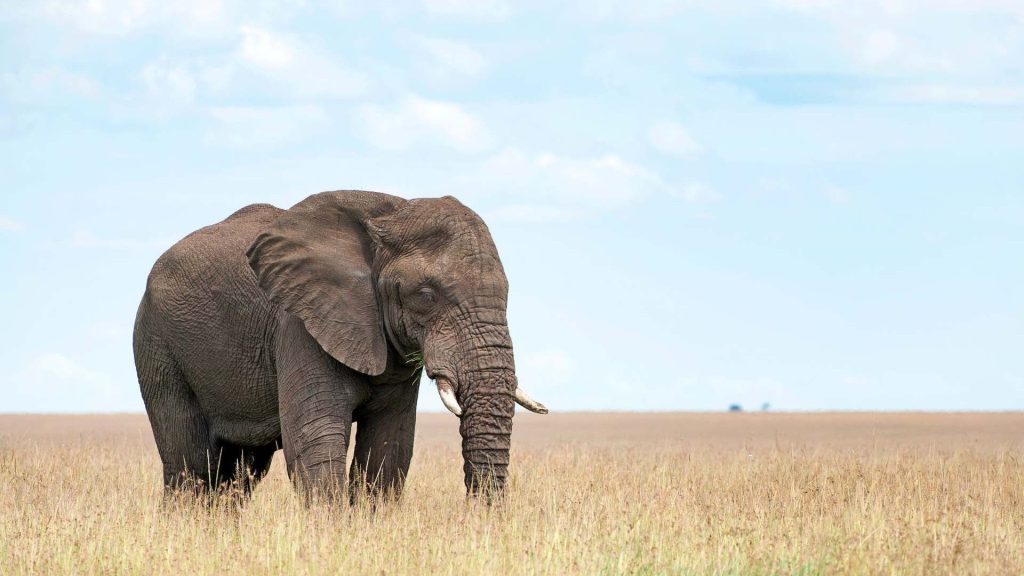
The region’s isolation is further amplified by its harsh environmental conditions. The combination of treacherous sand dunes, rocky cliffs, and dense fog creates a formidable barrier to human settlement. Yet, this starkly beautiful land harbors remarkable wildlife, including desert-adapted elephants, lions, and rhinos, which have evolved to thrive in one of the harshest environments on Earth.
Visitors to the Skeleton Coast are limited, as access is often restricted to guided tours to preserve the region’s fragile ecosystem. Still, for those fortunate enough to visit, the experience is both humbling and awe-inspiring, offering the opportunity to witness one of Africa’s most remote and pristine wildernesses.
3. Mozambique’s Niassa Reserve
The Niassa Reserve, located in northern Mozambique, is one of Africa’s least visited and most remote conservation areas. Spanning over 42,000 square kilometers, Niassa is larger than many of Africa’s more famous national parks and reserves. The reserve is home to a wide array of wildlife, including large populations of elephants, lions, leopards, and buffalo, as well as lesser-known species like the African wild dog and the sable antelope.
The reserve’s isolation, combined with its underdeveloped infrastructure, has helped preserve its wild nature. As a result, it is often referred to as one of the “last true wildernesses” on the continent. Despite the challenges of access and the lack of infrastructure, Niassa offers a truly immersive wildlife experience, where visitors can explore vast expanses of untamed wilderness, encounter diverse ecosystems, and connect with local communities that have lived alongside these natural landscapes for generations.
4. Ethiopia’s Omo Valley and the Great Rift Valley
While Ethiopia is home to some of Africa’s most famous historical and cultural sites, such as the ancient rock-hewn churches of Lalibela and the city of Axum, it also boasts some of the continent’s most remote and lesser-explored regions. The Omo Valley, in particular, is one of the last places where indigenous tribes still maintain traditional ways of life, living largely disconnected from the modern world.
The valley is home to numerous tribes, including the Hamar, Mursi, and Karo, who have maintained their ancient customs for centuries. Visitors to the Omo Valley often participate in guided visits to local tribes, learning about their customs, rituals, and unique lifestyles. These communities are heavily reliant on subsistence farming and pastoralism, making their way of life increasingly vulnerable to modernization and climate change.
The Great Rift Valley, which cuts through Ethiopia’s western region, is another remote area worth exploring. This geological wonder is home to a unique blend of wildlife and dramatic landscapes, including active volcanoes, hot springs, and salt lakes. It is also one of the most significant archaeological sites in the world, with the discovery of early hominid fossils offering critical insights into human evolution.
5. The Sahara Desert (Multiple Countries)
The Sahara Desert, which spans much of North Africa, is a vast and inhospitable region characterized by endless sand dunes, scorching heat, and minimal human settlement. Despite its extreme conditions, the Sahara holds a unique allure for travelers seeking to experience one of the planet’s most iconic wildernesses.
In addition to the stunning beauty of the dunes, the Sahara is home to nomadic Berber and Tuareg tribes, whose traditional lifestyles have adapted to the harsh desert environment. Traveling through the Sahara often involves camel treks, where visitors can traverse the desert on camelback, following ancient trade routes that have been used for centuries.
While parts of the Sahara are popular tourist destinations—such as Morocco’s Marrakesh and Tunisia’s Tozeur—there are still many areas that remain virtually untouched. These remote regions of the desert provide an authentic experience of isolation and tranquility, offering a rare chance to disconnect from the modern world and reconnect with nature.
The Challenges of Preserving Africa’s Remote Regions
While Africa’s remote regions are increasingly seen as pristine wildernesses, they are also vulnerable to environmental degradation and exploitation. As tourism in these areas grows, so too does the need for sustainable practices that protect both the environment and the cultures that call these regions home.
1. The Impact of Climate Change
Climate change is one of the most pressing threats to Africa’s remote regions, with rising temperatures, unpredictable rainfall, and increased frequency of droughts threatening ecosystems and livelihoods. In areas like the Sahara, where water is already scarce, climate change is exacerbating desertification, which may lead to the displacement of local communities and wildlife. Similarly, the Rwenzori Mountains face the threat of glacial retreat due to rising global temperatures, which could dramatically alter the landscape and disrupt the delicate balance of the local ecosystem.
2. Unregulated Tourism and Its Effects
As more tourists venture into Africa’s remote regions, the lack of infrastructure and regulation presents significant challenges. Uncontrolled tourism can lead to environmental degradation, including waste management issues, habitat destruction, and the overuse of local resources. Furthermore, tourism can inadvertently introduce invasive species or diseases that threaten native wildlife populations.
To address these challenges, many regions are working to implement sustainable tourism practices, including limiting visitor numbers, promoting eco-friendly accommodations, and ensuring that tourism revenues benefit local communities and conservation efforts. Responsible travel organizations are increasingly focusing on “low-impact” travel, encouraging visitors to leave no trace and engage in conservation projects during their stays.
3. Cultural Preservation
In many of Africa’s remote regions, traditional cultures are being affected by outside influences, particularly as tourism and modernization infiltrate these isolated communities. While tourism can bring economic benefits, it also poses the risk of eroding indigenous cultures and disrupting local traditions. Ensuring that tourism is conducted in a culturally sensitive manner is essential to preserving the authenticity of these communities and ensuring that they have a say in how their heritage is represented.
Many remote regions are working with local tribes to develop sustainable tourism models that provide income while protecting cultural traditions. This includes offering authentic cultural exchanges, where visitors can learn about the local way of life without exploiting or commercializing it.
Conclusion
Africa’s remote, untouched regions offer some of the most breathtaking landscapes and unique cultural experiences in the world. From the towering peaks of the Rwenzori Mountains to the desolate beauty of the Skeleton Coast, these places provide a rare opportunity to experience Africa in its purest, most untamed form. However, with these incredible opportunities comes the responsibility to protect these fragile environments and the cultures that call them home.
As Africa continues to develop and tourism grows, it is crucial that these remote regions are preserved for future generations. By adopting sustainable practices, supporting local communities, and respecting the natural and cultural heritage of these areas, travelers can help ensure that Africa’s wild and remote places remain pristine, untouched, and accessible for those willing to seek them out. For those adventurous enough to venture into these lesser-known parts of the continent, Africa’s remote regions offer an unparalleled journey of discovery—one that goes beyond the usual tourist experience and offers a deeper, more meaningful connection to the land and its people.