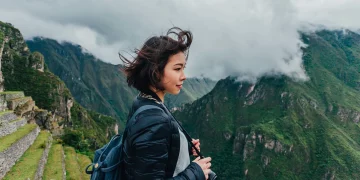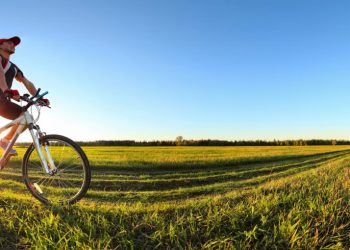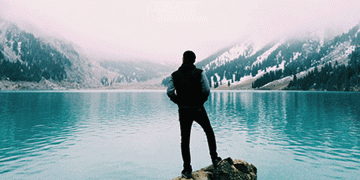









In our fast-paced, often chaotic modern lives, many people find themselves disconnected from the present moment. The constant barrage of work, technology, and social expectations leaves little room for reflection, mindfulness, and genuine human connection. However, an increasing number of travelers are discovering a unique remedy to this disconnection: traveling, especially through interactions with strangers and immersion in nature. These experiences, more than just a break from routine, are helping individuals cultivate mindfulness, appreciate the present moment, and transform the way they engage with the world.
In this article, we explore how certain forms of travel—where human interaction and nature immersion are at the forefront—are teaching travelers to appreciate the beauty of the present. By examining the ways in which encounters with strangers and experiences in nature encourage mindfulness, this piece will illustrate how travel can become a powerful tool for personal growth, reflection, and lasting change.
1. The Search for Meaning in a Fast-Paced World
The Challenges of Modern Life: Disconnection and Busyness
In today’s world, we are constantly bombarded with distractions. The rapid development of technology, the pressures of work, and the demands of daily life leave little space for the kind of introspection that fosters mindfulness. Many people find themselves living on autopilot—rushing from task to task without truly appreciating the moments in between.
This disconnect from the present moment can lead to stress, burnout, and a lack of fulfillment. Researchers have shown that a lack of mindfulness—being fully aware of one’s thoughts, feelings, and surroundings—can have significant effects on mental health. As a result, more people are turning to mindfulness practices, such as meditation, yoga, and deep reflection, in an attempt to reconnect with themselves and the world around them.
Travel as a Catalyst for Mindfulness
Travel, however, offers a unique way to break free from the constant buzz of everyday life. Unlike staying in one place, traveling requires individuals to leave their comfort zones, embrace new environments, and experience the world from different perspectives. Travel encourages a deep presence that is often missing from daily routines, especially when travelers find themselves immersed in unfamiliar cultures, interacting with strangers, or surrounded by the natural world.
For many, travel becomes a journey not only of physical distance but also of emotional and psychological growth. Through experiences that challenge their perceptions and force them to live more mindfully, travelers gradually learn to slow down and appreciate the beauty of the present moment.
2. Interacting with Strangers: The Beauty of Human Connection
The Power of Shared Stories and Empathy
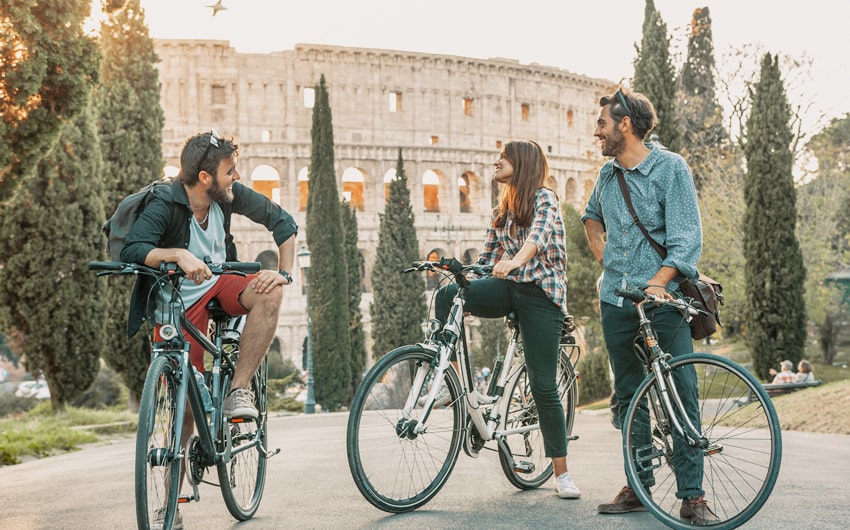
One of the most profound ways travel can teach mindfulness is through interactions with strangers. Whether it’s sharing a meal with a local family, striking up a conversation with a fellow traveler, or learning from someone with a completely different worldview, these interactions allow individuals to experience the world beyond their usual bubble. It is often in these encounters that travelers begin to appreciate the richness of the present moment.
Human connection can offer travelers a sense of belonging that is often absent in the hustle of modern society. By conversing with people from different cultures, travelers develop empathy, which is at the heart of mindfulness. As they listen and share, they gain new perspectives on life, moving away from self-centered worries and appreciating the shared human experience.
1. Spontaneous Conversations and Serendipity
Sometimes, the most meaningful connections are those that happen by chance. Travelers who approach new situations with openness are often rewarded with spontaneous moments of human connection. These unplanned conversations—whether in a bustling market, on a quiet mountain trail, or at a local café—create an environment where individuals can be present, free from the distractions of everyday life. It’s in these moments of serendipity that mindfulness flourishes, as travelers let go of their rigid expectations and allow themselves to simply “be.”
2. Cultural Exchange and Perspective
Travelers who engage with locals on a deeper level, by staying in homestays or volunteering with community projects, often experience a more profound form of connection. In these settings, travelers become active participants in local life, rather than passive observers. By immersing themselves in different cultures, they gain a more holistic view of the world, and through empathy and understanding, they are better able to appreciate their own lives. These moments of exchange make travelers realize that life is more about connection than possession or achievement, encouraging them to savor the now.
Overcoming Loneliness and Building Trust
For many solo travelers, meeting new people and forming connections with strangers is an essential part of the journey. Although solo travel can sometimes feel isolating, the process of engaging with people from various backgrounds can help overcome feelings of loneliness. Trust-building, even in short interactions, enhances the sense of fulfillment that comes from being truly present in the moment.
By breaking down the barriers of fear and mistrust, travel fosters openness and vulnerability, teaching travelers that trust can be built quickly, even with strangers. This newfound ability to connect with others reinforces the idea that the present moment holds infinite possibilities for human interaction and personal growth.
3. Immersing in Nature: A Gateway to Mindfulness
The Healing Power of Nature
For centuries, nature has been recognized for its healing properties. Many cultures and philosophies, from Zen Buddhism to Native American traditions, have long understood the connection between humans and the natural world. Being in nature promotes mindfulness by encouraging individuals to engage all their senses in the present moment. The sights, sounds, and smells of nature—whether it’s the rustle of leaves, the crash of ocean waves, or the call of birds—serve as grounding experiences that anchor individuals to the here and now.
In nature, there is no need to plan, rush, or worry about the future. Nature exists in a constant state of balance, and by observing its rhythms, travelers can better align their own lives with the flow of the present. This experience of connectedness—whether while hiking through mountains, meditating beside a serene lake, or walking along the beach—becomes a powerful tool for mindfulness.
1. The Mindfulness of Movement in Nature
For many travelers, outdoor activities like hiking, biking, and walking become opportunities to engage in active mindfulness. As travelers move through natural landscapes, they learn to focus on each step, each breath, and the sensations of their bodies in motion. Whether scaling a cliff face or strolling through a forest, these activities require concentration and awareness, making them ideal practices for being present. The act of walking or hiking itself becomes a form of meditation, where the mind becomes quieter, and the body aligns with the natural world.
2. Nature’s Role in Stress Reduction
Studies have shown that spending time in nature can significantly reduce stress levels. The natural world has a calming effect on the mind, which is essential for mindfulness. The absence of artificial distractions—such as digital devices or loud city noises—allows travelers to tune into their thoughts and emotions in a more relaxed state. By immersing themselves in nature, travelers can more easily let go of the mental clutter that often clouds their ability to experience the present moment.
Nature as a Teacher of Impermanence
One of the most profound lessons nature imparts is the understanding of impermanence. In nature, everything is in a constant state of flux—seasons change, flowers bloom and wither, and landscapes evolve. Experiencing these cycles firsthand encourages travelers to appreciate the fleeting beauty of life. Whether watching a sunset, observing the passing of a storm, or witnessing the growth of a plant, nature teaches that every moment is unique and precious. By understanding impermanence, travelers learn to savor the present moment and let go of attachment to past regrets or future anxieties.
4. Combining Human Connection and Nature for Mindfulness
The Power of Community-Based Eco-Tourism
Some of the most profound mindfulness experiences come from combining human connection with nature. Eco-tourism, which focuses on sustainability and responsible travel, offers travelers the opportunity to connect with both the environment and local communities. This form of tourism allows travelers to learn about local ecosystems, participate in conservation efforts, and engage with people who are dedicated to preserving the natural world. It fosters a deep sense of connection—both with the land and with fellow travelers—creating a space for reflection and mindfulness.
For example, volunteering in environmental projects or working on community-based conservation efforts encourages travelers to slow down, reflect on their impact, and appreciate the natural world in a more holistic way. These experiences often lead to personal transformation, as travelers come to understand the interdependence of people and nature.
Creating Mindful Travel Communities
The growth of mindful travel communities, where individuals come together to practice mindfulness and engage in eco-friendly tourism, is a growing trend. These communities often center around shared values of sustainability, personal growth, and conscious living. Travelers in these groups not only have the opportunity to explore new destinations but also to engage in practices that foster mindfulness—such as group meditation, mindful eating, and slow travel.
These communities offer a supportive environment where individuals can learn from each other, deepen their practices, and return to their daily lives with a greater sense of presence and connection.
5. Conclusion: A Journey of Presence
Travel has the power to transform our perception of the world, allowing us to cultivate mindfulness through encounters with strangers and immersion in nature. Through these experiences, travelers learn to slow down, embrace the present moment, and appreciate life in all its forms. The lessons learned on the road—not just in the destinations themselves, but in the people we meet and the environments we experience—remind us of the richness of life when we take the time to truly be present.
Whether it’s through spontaneous conversations with locals, trekking through a forest, or sitting by a peaceful lake, travelers who engage with the world around them in an open and mindful way are not only discovering new places but are also discovering themselves. By learning to cherish the present moment, they return home more connected to themselves and to the world, carrying with them the invaluable lesson that every moment is worth savoring.