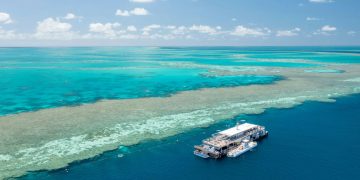









Adventure tourism has become one of the fastest-growing sectors in the travel industry, driven by travelers seeking experiences that go beyond traditional sightseeing. Among the most sought-after extreme adventure destinations in the world are Australia’s Great Barrier Reef and Mexico’s underground cave systems. Both locations offer unique and exhilarating experiences that attract thrill-seekers, divers, and eco-tourists alike. While the Great Barrier Reef is renowned for its spectacular marine biodiversity and scuba diving opportunities, Mexico’s underground caves, including cenotes and limestone caverns, provide adrenaline-pumping spelunking and cave-diving experiences. This article explores the allure, challenges, and environmental considerations associated with these two premier adventure destinations.
1. The Rise of Extreme Adventure Tourism
1.1 Growing Demand for Experiential Travel
In recent years, tourism has shifted from passive observation to immersive experiences. Travelers increasingly seek activities that challenge physical limits, stimulate the senses, and offer opportunities for personal growth. Extreme adventure tourism—defined as travel that involves physically demanding, potentially risky activities in natural environments—has gained momentum due to its combination of thrill, exploration, and connection with nature.
Popular extreme adventure activities include deep-sea diving, caving, rock climbing, bungee jumping, and heli-skiing. Both the Great Barrier Reef and Mexico’s caves exemplify destinations where adventure meets natural splendor, attracting global audiences and contributing to local economies.
1.2 The Psychological Appeal of Extreme Adventures
Adventure tourism is not only about thrill-seeking; it also provides psychological benefits. Studies have shown that high-adrenaline activities can improve mood, reduce stress, and enhance self-confidence. The combination of natural beauty, physical exertion, and calculated risk creates a profound sense of achievement and fulfillment. The experiences offered by the Great Barrier Reef and Mexico’s underground caves are prime examples of activities that satisfy both the desire for adrenaline and the need for personal enrichment.
2. Australia’s Great Barrier Reef: An Underwater Adventure Paradise
2.1 Overview of the Great Barrier Reef
The Great Barrier Reef, stretching over 2,300 kilometers along Australia’s northeast coast, is the world’s largest coral reef system and a UNESCO World Heritage Site. Home to thousands of marine species, including corals, fish, sharks, and sea turtles, the reef is a global icon of biodiversity and natural beauty. Its crystal-clear waters and diverse ecosystems make it one of the most popular destinations for scuba diving, snorkeling, and marine exploration.
2.2 Extreme Adventure Activities in the Reef
2.2.1 Scuba Diving and Snorkeling
Scuba diving in the Great Barrier Reef offers both beginners and experienced divers the opportunity to explore underwater ecosystems teeming with life. For extreme adventure seekers, deep dives to coral walls, underwater caves, and remote reef sections provide an unparalleled sense of immersion. Encounters with reef sharks, giant clams, and colorful coral gardens elevate the experience, offering both thrill and natural wonder.
2.2.2 Advanced Diving Experiences
Advanced divers can explore less-accessible areas such as the Ribbon Reefs, Cod Hole, and Osprey Reef. These locations feature strong currents, deeper waters, and encounters with larger pelagic species like manta rays and grey reef sharks. Technical diving courses, including wreck diving and deep reef exploration, provide adrenaline-fueled challenges for seasoned adventurers.
2.2.3 Sailing, Kayaking, and Marine Exploration
Beyond diving, extreme adventure enthusiasts can engage in multi-day sailing expeditions or kayaking through reef channels. These activities require skill, stamina, and environmental awareness, offering an exciting way to experience the reef above and below the water surface.
2.3 Environmental Considerations and Conservation
While the Great Barrier Reef is a hub for adventure tourism, it is also a fragile ecosystem threatened by climate change, coral bleaching, and human activity. Sustainable tourism practices are essential to preserve the reef. Many tour operators now emphasize eco-friendly diving practices, reef-safe sunscreen, and responsible waste management to minimize human impact. Travelers are encouraged to choose certified operators who prioritize reef conservation and education.
3. Mexico’s Underground Caves: Exploring the Subterranean World
3.1 Introduction to Mexico’s Cave Systems
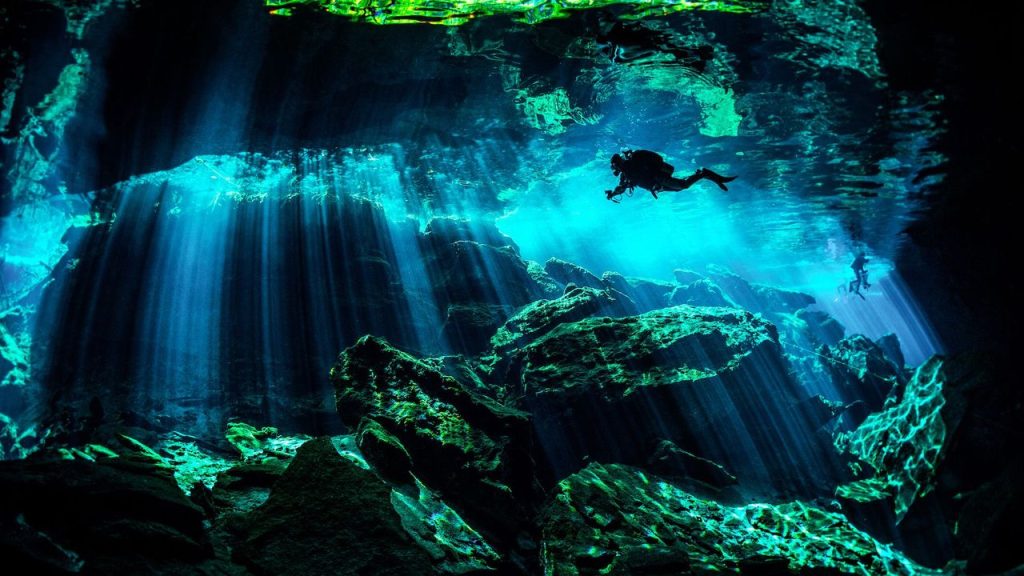
Mexico is home to one of the world’s most extensive networks of underwater and limestone caves, particularly in regions like the Yucatán Peninsula, Quintana Roo, and Oaxaca. These caves, known as cenotes, were formed by the collapse of limestone bedrock and are filled with crystal-clear freshwater. With intricate passageways, stalactites, stalagmites, and submerged chambers, these underground systems offer unparalleled opportunities for cave diving and spelunking.
3.2 Extreme Adventure Activities in Mexican Caves
3.2.1 Cave Diving
Cave diving in Mexico is widely regarded as one of the most challenging and rewarding adventure experiences. Divers navigate through narrow tunnels, submerged chambers, and labyrinthine passageways, relying on specialized equipment and training. Cenotes such as Dos Ojos, Sac Actun, and Sistema Ox Bel Ha are internationally recognized for their vast underwater networks and breathtaking formations.
3.2.2 Spelunking and Rappelling
For those who prefer above-water challenges, spelunking through dry caves and rappelling into vertical shafts offers adrenaline-pumping experiences. Many caves feature dramatic drops, underground rivers, and unique geological formations, requiring both physical endurance and technical skill.
3.2.3 Nighttime Cave Exploration
Some adventure operators provide nocturnal tours that combine elements of spelunking and wildlife observation. Traversing the caves in darkness heightens sensory perception, creating an immersive and thrilling experience for participants.
3.3 Safety Measures and Training
Extreme adventure activities in Mexico’s caves require rigorous safety measures. Proper training in cave diving techniques, buoyancy control, navigation, and emergency procedures is essential. Experienced guides often accompany groups to ensure safety and to provide insights into geological and ecological features. Safety equipment such as redundant air tanks, underwater lights, and helmets with headlamps is mandatory for most cave adventures.
3.4 Environmental Sensitivity
Mexico’s caves are sensitive ecosystems that support unique species of freshwater fish, invertebrates, and microorganisms. Conservation-conscious adventurers are encouraged to avoid touching formations, minimize disturbance to wildlife, and adhere to local guidelines to protect these fragile subterranean environments.
4. Comparing Australia’s Reef and Mexico’s Caves as Adventure Destinations
4.1 Nature of the Adventure
While both destinations cater to extreme adventure enthusiasts, the experiences they offer differ significantly:
- Great Barrier Reef: Focuses on aquatic exploration, marine biodiversity, and water-based challenges. Adventure is primarily vertical (diving into the depths) and horizontal (traversing reef channels).
- Mexico’s Caves: Centers on subterranean exploration, technical navigation, and confined-space challenges. Adventure is often about maneuvering through tight spaces and navigating complex cave systems.
4.2 Skill Requirements
- Reef Diving: Requires certification for scuba diving, with advanced courses recommended for deep or remote dives.
- Cave Diving: Demands higher technical expertise, specialized training, and strict adherence to safety protocols due to higher risks in confined underwater environments.
4.3 Environmental Impact and Conservation
Both locations face environmental threats from tourism:
- Great Barrier Reef: Vulnerable to climate change, coral bleaching, and mass tourism. Eco-friendly diving and responsible tourism are essential.
- Mexican Caves: Sensitive to physical disturbance, pollution, and damage to fragile formations. Conservation-minded cave exploration helps preserve these unique ecosystems.
4.4 Accessibility and Infrastructure
- Great Barrier Reef: Well-developed tourism infrastructure, including dive resorts, guided tours, and transportation from coastal cities like Cairns.
- Mexican Caves: Often more remote, with limited infrastructure, requiring careful planning and specialized operators for safe access.
5. Tips for Extreme Adventure Travelers
5.1 Physical Preparation
Extreme adventures require physical fitness, endurance, and flexibility. Divers should train for stamina and breathing control, while spelunkers benefit from core strength, agility, and climbing skills.
5.2 Choosing Responsible Tour Operators
Selecting certified and environmentally conscious operators ensures both safety and sustainability. Look for operators who emphasize conservation, provide adequate training, and use eco-friendly practices.
5.3 Risk Awareness and Safety
Understanding the risks of extreme activities is essential. Travelers should invest in proper equipment, follow expert guidance, and never exceed personal skill levels.
5.4 Embracing the Experience
Extreme adventures are as much about mindset as physical skill. Maintaining focus, staying calm under pressure, and embracing the unpredictability of nature enhance both safety and enjoyment.
6. Conclusion
Australia’s Great Barrier Reef and Mexico’s underground caves exemplify the allure of extreme adventure tourism. Each destination offers unique challenges, breathtaking natural beauty, and opportunities for personal growth. While the reef immerses travelers in vibrant marine ecosystems, Mexico’s caves test navigation skills and courage in subterranean labyrinths. Both experiences highlight the need for environmental stewardship, responsible tourism, and preparation for extreme conditions.
For thrill-seekers, nature enthusiasts, and adventure travelers, these destinations are more than vacation spots—they are transformative experiences that combine adrenaline, discovery, and a deep appreciation for the natural world. As adventure tourism continues to grow, these iconic locations will remain at the forefront, offering unforgettable journeys for those willing to explore the extremes of our planet.