








In a world where speed and efficiency dominate nearly every aspect of our lives, the notion of “slow” travel has emerged as a refreshing antidote. Slow Travel is a philosophy that advocates for deeper, more meaningful travel experiences, where the focus shifts from ticking off as many destinations as possible to truly immersing oneself in a destination, its culture, and its rhythms. This movement encourages travelers to take their time, embrace local experiences, and leave behind the hustle and bustle of fast-paced tourism.
In this article, we will explore the concept of Slow Travel, its origins, principles, benefits, and how it aligns with sustainable tourism practices. We’ll also examine how this approach enhances the traveler’s experience and the potential challenges it faces in an increasingly time-conscious world. As more travelers seek authentic experiences over superficial attractions, Slow Travel is becoming a viable alternative to mass tourism and a way to forge deeper connections with the world around us.
1. What Is Slow Travel?
1.1 The Essence of Slow Travel
Slow Travel is not just about physically traveling at a slower pace; it’s about slowing down mentally and emotionally to fully engage with the journey. It’s a conscious effort to avoid rushing from one tourist hotspot to the next, and instead, it emphasizes a more thoughtful approach to exploring the world. Slow Travel advocates:
- Spending more time in fewer places: Instead of visiting multiple cities or countries in a short amount of time, slow travelers stay in one place for longer periods. This allows them to truly absorb the local culture, lifestyle, and traditions.
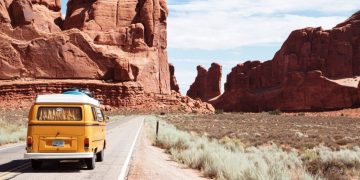
- Traveling overland: Slow Travel encourages alternative modes of transport, such as trains, buses, bicycles, or even walking, rather than flying between destinations. This not only reduces carbon emissions but also offers a more intimate experience with the landscape and local people.
- Engaging with local cultures: Rather than rushing through typical tourist attractions, Slow Travel encourages travelers to interact with locals, learn the language, and participate in cultural or community-based activities.
- Mindful consumption: It involves making thoughtful choices about where and how to spend money, favoring local, sustainable businesses over international chains, and supporting the local economy directly.
The overall goal of Slow Travel is to enrich the travel experience through mindfulness, sustainability, and authentic connections rather than through speed, consumption, or over-saturation of experiences.
1.2 The Origins of Slow Travel
The Slow Travel movement draws inspiration from the broader Slow Movement, which began in the late 1980s as a reaction to the growing speed of modern life. This movement first took root in the Slow Food movement, founded by Carlo Petrini in Italy, which aimed to counteract the rise of fast food and promote local, sustainable cuisine.
From there, the Slow Movement expanded into other areas of life, including architecture, education, and, eventually, travel. In the early 2000s, the Slow Travel movement began to take shape as travelers, increasingly disillusioned with mass tourism, sought a more thoughtful, immersive approach to exploration. Influential travel writers, bloggers, and experts in sustainable tourism began to champion Slow Travel as a way to prioritize quality over quantity, fostering deeper, more meaningful connections with the places they visited.
2. Key Principles of Slow Travel
2.1 Taking Your Time
The core principle of Slow Travel is taking the time to experience a destination fully. Slow travelers focus on quality over quantity, and instead of hopping from one tourist attraction to another, they prioritize spending extended periods of time in each location. This can involve:
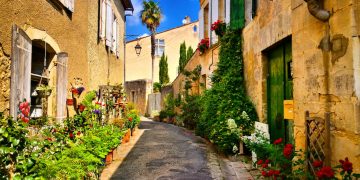
- Staying in one destination for longer: Instead of rushing through a city in one or two days, slow travelers may spend several days or even weeks in one place, exploring local neighborhoods, discovering hidden gems, and building connections with the community.
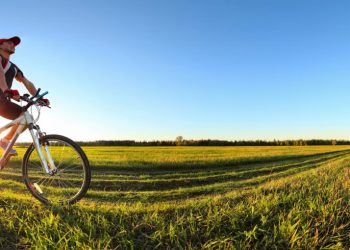
- Exploring at a slower pace: Slow travel is about walking, cycling, and using other modes of transport that allow you to interact with the environment and people at a more personal level. For example, biking through a countryside, taking long hikes in national parks, or simply strolling through a quiet town.
This slower pace allows travelers to step away from the pressure of ticking off as many destinations as possible. It promotes a sense of relaxation and deeper connection to the place.
2.2 Emphasizing Local Experiences
At the heart of Slow Travel is the emphasis on local, authentic experiences. Rather than following standardized itineraries or focusing on popular tourist sites, slow travelers seek to connect with the essence of a destination. This could involve:
- Engaging with locals: Slow travelers spend time talking to locals, learning about their culture, traditions, and daily life. This might include having dinner with a local family, participating in a cultural festival, or taking part in hands-on activities like cooking classes or artisan workshops.
- Supporting local businesses: Slow Travel encourages travelers to shop at local markets, dine in small family-owned restaurants, and stay in locally-owned accommodations, supporting the community economically while preserving local cultures.
- Learning the language: Although it may not always be feasible to become fluent, making an effort to learn some basic phrases in the local language shows respect and can help travelers feel more integrated into the community.
2.3 Sustainability and Eco-Conscious Choices
Slow Travel aligns closely with the principles of sustainable tourism. It encourages travelers to minimize their environmental footprint by making conscious choices about transportation, accommodation, and activities. This includes:
- Reducing carbon emissions: By opting for overland travel (such as trains, buses, or bicycles) instead of flying, travelers reduce their contribution to greenhouse gas emissions.
- Choosing eco-friendly accommodations: Slow travelers prioritize staying in eco-conscious hotels, lodges, or homestays that follow sustainable practices like energy efficiency, water conservation, and waste reduction.
- Avoiding over-tourism: Instead of visiting overcrowded, overexploited tourist destinations, Slow Travel encourages exploring lesser-known spots that are off the beaten path, thereby spreading the economic benefits of tourism and reducing the strain on popular areas.
2.4 Focusing on Well-being and Mindfulness
Slow Travel is about more than just physical travel; it’s about mental and emotional well-being. The philosophy emphasizes:
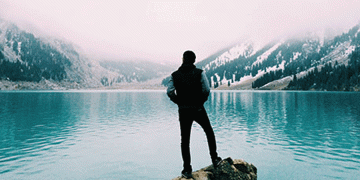
- Mindful travel: Slow travelers approach their journeys with mindfulness, taking time to appreciate the present moment, savor the details of their surroundings, and disconnect from the pressures of modern life.
- Relaxation and self-care: Rather than racing to fulfill an agenda, Slow Travel allows travelers to relax and enjoy the journey, prioritizing experiences that promote well-being, such as yoga, meditation, or simply enjoying the beauty of nature.
This approach to travel encourages a more balanced lifestyle and provides an opportunity to slow down and truly enjoy life’s simple pleasures.
3. The Benefits of Slow Travel
3.1 Deeper Cultural Immersion
One of the main benefits of Slow Travel is the opportunity for deeper cultural immersion. By spending more time in a single place and interacting with locals, travelers gain insights into local customs, traditions, and daily life that would otherwise be missed in a typical, fast-paced tourist visit.
For example, travelers may get to witness local rituals, experience a community festival, or even learn traditional crafts from local artisans—experiences that would never be possible in a rushed itinerary.
3.2 Environmental Sustainability
Slow Travel promotes eco-conscious choices, which contribute positively to the environment. By choosing slower modes of transportation, avoiding mass tourism, and staying in sustainable accommodations, slow travelers reduce their environmental footprint. Moreover, Slow Travel encourages travelers to appreciate nature in a more respectful way, understanding the importance of preserving ecosystems for future generations.
3.3 Reduced Stress and Increased Well-being
Unlike conventional travel, which often comes with a heavy schedule, constant hustle, and the pressure to see as much as possible in a short amount of time, Slow Travel encourages relaxation. This slower pace offers a chance to de-stress, focus on well-being, and reconnect with oneself.
The emphasis on mindfulness and the opportunity to spend time outdoors in nature can reduce anxiety and improve overall mental health. Research has shown that spending time in natural environments reduces stress, enhances mood, and even improves cognitive function.
3.4 Authentic Connections with Locals
By spending more time in one destination, slow travelers are better able to form genuine connections with local people. Whether it’s chatting with a shop owner, joining in a community activity, or simply striking up a conversation with someone over coffee, these interactions offer a sense of belonging and foster mutual respect between travelers and host communities.
These authentic experiences not only enrich the traveler’s experience but also create positive cultural exchange and help promote greater understanding across different cultures.
4. Challenges of Slow Travel
4.1 Time Constraints
One of the main challenges of adopting a Slow Travel philosophy is time. Many travelers, especially those with full-time jobs, family commitments, or limited vacation days, may find it difficult to commit to long-term travel. While Slow Travel encourages spending extended time in a destination, the realities of modern life make this difficult for some individuals.
However, for those willing to embrace it, even small changes, such as taking a longer weekend getaway or slowing down a typical holiday itinerary, can provide significant benefits.
4.2 Accessibility and Costs
Slow Travel can sometimes be more costly compared to fast, traditional travel, especially when considering accommodations, transportation, and activities. For example, taking a train over long distances can be more expensive than flying. Additionally, some eco-friendly accommodations or locally owned guesthouses may charge higher rates than large chain hotels.
Moreover, certain remote destinations that align with Slow Travel may require more expensive or less accessible travel options, posing a challenge for travelers with limited budgets.
5. How to Incorporate Slow Travel into Your Journey
5.1 Slow Down Your Travel Pace
Rather than trying to visit as many places as possible, focus on spending more time in fewer locations. Choose destinations where you can immerse yourself deeply and explore the nuances of the local culture and environment.
5.2 Use Sustainable Transport
Opt for modes of transport that reduce your carbon footprint. Trains, buses, and bicycles are great alternatives to flying and allow you to travel at a slower pace, providing a more scenic and intimate experience.
5.3 Engage with Locals
Seek out experiences that allow you to engage with local communities. Visit local markets, attend festivals, take part in cooking classes or artisan workshops, or simply engage in conversations with residents.
5.4 Prioritize Eco-friendly Accommodation
Stay in hotels, hostels, or homestays that prioritize sustainability. Look for eco-certifications or accommodations that use renewable energy, conserve water, and minimize waste.
Conclusion
Slow Travel represents a shift away from the fast-paced, consumer-driven model of traditional tourism, towards a more mindful, sustainable, and immersive approach. By embracing this philosophy, travelers can foster deeper connections with people and places, support local economies, and reduce their environmental impact.
In an era when many are seeking to break free from the pressures of modern life, Slow Travel offers the opportunity to reconnect with what truly matters—authentic experiences, environmental stewardship, and a slower, more intentional pace of living. It’s a movement that not only enhances personal well-being but also contributes to the preservation of the planet for future generations.