








The desert is a place where the harsh environment meets extraordinary beauty. It’s a land of extremes—inhospitable yet awe-inspiring, vast yet intimate. Among the world’s many deserts, two stand out as ultimate destinations for adventurers and extreme sports enthusiasts: the Sahara Desert and the deserts of Australia. These arid, sun-scorched landscapes have attracted explorers, thrill-seekers, and adrenaline junkies for centuries, offering unparalleled challenges, breathtaking views, and thrilling adventures.
From the expansive sand dunes of the Sahara to the rugged, red terrain of the Australian Outback, both deserts offer unique experiences that push the limits of human endurance. Whether you’re interested in crossing vast stretches of sand on foot or testing your limits with off-road vehicles, these deserts present both a challenge and an opportunity to connect with nature in a raw, unfiltered way.
In this article, we will delve into the allure of the Sahara and Australian deserts, explore the activities that draw adventurers to these landscapes, and consider the challenges faced by those who venture into these extreme environments. Additionally, we will examine the role of environmental conservation and responsible tourism in preserving these fragile ecosystems for future generations.
1. The Sahara Desert: The World’s Largest Hot Desert
1.1 Overview of the Sahara Desert
Spanning over 9 million square kilometers (3.6 million square miles), the Sahara Desert is the largest hot desert in the world. It stretches across much of North Africa, covering parts of Algeria, Chad, Egypt, Libya, Mali, Mauritania, Morocco, Niger, Western Sahara, Sudan, and Tunisia. Known for its sweeping sand dunes, rocky plateaus, and vast salt flats, the Sahara is a place of extreme temperatures, with daytime heat often exceeding 40°C (104°F) in summer months and plunging to freezing temperatures at night.
Despite its harshness, the Sahara is far from a barren wasteland. It is home to unique ecosystems, rich cultural heritage, and awe-inspiring landscapes. The Sahara’s beauty lies in its stark contrasts—the golden sands of the dunes, the rugged mountains, and the quiet stillness that envelops everything. It is this combination of beauty, danger, and mystery that has made it a magnet for explorers, adventurers, and thrill-seekers.
1.2 The Allure of the Sahara for Adventurers
For those seeking adventure, the Sahara offers a wide variety of challenges and experiences. From crossing vast sand dunes on camelback to exploring ancient trade routes, the Sahara is a place where every journey feels like a rite of passage.
1.2.1 Camel Trekking and Desert Expeditions
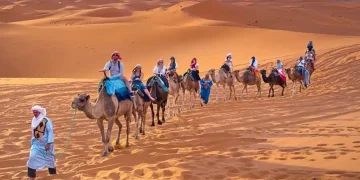
Perhaps one of the most iconic ways to explore the Sahara is through camel trekking. Camels, known as “ships of the desert,” have been used for centuries by nomadic Berber and Tuareg peoples to navigate the vast sand dunes. A camel trek offers a chance to experience the desert in its purest form, allowing travelers to immerse themselves in the landscape’s serenity and beauty.
Many adventurers choose to join guided treks that last anywhere from a few days to a week, navigating through remote oases and visiting ancient caravanserais. The journey is challenging, requiring endurance, preparation, and the ability to adapt to the harsh desert conditions.
1.2.2 Sandboarding and Dune Sports
For those seeking more adrenaline-pumping activities, sandboarding is a popular sport in the Sahara. Much like snowboarding, sandboarding involves riding down sand dunes on a board. The Sahara’s massive dunes, some reaching heights of up to 180 meters (590 feet), make it an ideal location for this thrilling activity. Whether you’re a beginner or an experienced sandboarder, the vast expanses of sand provide a playground for extreme sports enthusiasts.
1.2.3 Off-road Adventures and Rally Racing
The Sahara Desert also attracts enthusiasts of off-road racing and rally sports, with events like the Paris-Dakar Rally offering a chance to experience the desert’s rugged terrain at high speeds. The race takes competitors across vast stretches of sand dunes, rocky plateaus, and unpredictable desert landscapes. Navigating the Sahara’s terrain requires exceptional driving skills, as the terrain is challenging, and the risk of getting lost is high. The heat and the isolation of the desert add an additional layer of difficulty.

2. Australia’s Deserts: The Rugged Heart of the Outback
2.1 Overview of Australia’s Desert Regions
Australia is home to a vast network of deserts, with more than 70% of the country being classified as arid or semi-arid. The most famous of these deserts include the Simpson Desert, Great Victoria Desert, Gibson Desert, and Tanami Desert. These deserts are known for their striking red sand dunes, ancient rock formations, and rich indigenous cultural significance.
Australia’s deserts are part of the larger Outback, a term used to describe the remote, uninhabited interior of Australia. The climate is harsh, with extreme temperatures ranging from scorching heat in the summer months to freezing cold in the winter. Despite the challenges, the Australian desert offers a rugged, untamed beauty that draws adventurers from around the globe.
2.2 Why Australia’s Deserts Appeal to Adventurers
For extreme sports enthusiasts and adventurers, Australia’s deserts offer a vast array of activities that push the boundaries of physical endurance and exploration.
2.2.1 4×4 Off-Road Adventures and Desert Safaris
One of the most popular activities in the Australian desert is 4×4 off-road driving. The Outback is home to numerous tracks that provide a true test of skill and endurance for those looking to navigate rugged terrain. With its red sand dunes, rocky outcrops, and vast expanses of nothingness, the desert is an ideal location for 4×4 driving and desert safaris.
Whether it’s an organized tour or a self-guided adventure, exploring Australia’s deserts by off-road vehicle allows travelers to access remote, hard-to-reach areas. From traversing the vast Simpson Desert to venturing through the Finke Desert Race course, off-roading through Australia’s arid heartland offers a thrilling experience.
2.2.2 Desert Hiking and Exploring Aboriginal Heritage
For those who prefer to experience the desert on foot, hiking is a popular activity. Australia’s deserts are home to numerous hiking trails that lead travelers through stunning landscapes, ancient rock formations, and sacred indigenous sites. The Larapinta Trail in the West MacDonnell Ranges is one of Australia’s premier desert hikes, offering spectacular views of the rugged outback and opportunities to see native wildlife such as kangaroos, dingoes, and emus.
In addition to hiking, travelers can explore the indigenous heritage of the desert. The Uluru-Kata Tjuta National Park, home to the iconic Uluru (Ayers Rock), is a significant site for the local Anangu people, and guided tours offer a deep cultural experience, providing insights into the history, mythology, and traditions of Australia’s first nations people.
2.2.3 The Red Bull Desert Wings and Airborne Adventures
For those seeking an even greater adrenaline rush, the Australian desert has become a hotspot for aerial adventure sports. Events such as the Red Bull Desert Wings challenge participants to soar above the red sands, testing their skills in flying lightweight aircraft across the arid landscape. In addition, skydiving and paramotor flying are becoming increasingly popular, offering a unique bird’s-eye view of the vast desert expanses.
3. The Challenges of Adventuring in Extreme Deserts
3.1 Extreme Weather Conditions
Both the Sahara and Australian deserts present significant challenges to adventurers. The extreme temperatures in both regions, where daytime heat can exceed 40°C (104°F) and nighttime temperatures can plunge below freezing, demand that travelers be well-prepared. Staying hydrated, wearing proper protective clothing, and having access to reliable shelter are critical for survival in these environments.
3.2 Navigational Challenges
The vast, seemingly endless landscape of deserts can be disorienting. In the Sahara, with its expansive sand dunes that shift with the wind, and in Australia’s red deserts, where landmarks are few and far between, navigation can be difficult. Adventurers need to rely on experienced guides, GPS devices, or compass skills to avoid getting lost.
3.3 Environmental Preservation and Responsible Tourism
Both the Sahara Desert and the Australian Outback face environmental challenges. Over-tourism, reckless off-roading, and the disruption of fragile ecosystems can have a lasting impact. It is crucial for travelers and adventure-seekers to engage in responsible tourism practices, such as:
- Respecting local wildlife and avoiding disturbing natural habitats.
- Supporting conservation efforts to protect desert ecosystems from degradation.
- Practicing “Leave No Trace” principles by reducing waste and minimizing environmental footprints.
Responsible tourism ensures that these unique and fragile landscapes remain preserved for future generations to enjoy.
4. Environmental Conservation and Sustainable Adventure Tourism
As the interest in desert exploration grows, so does the importance of environmental conservation. Both the Sahara Desert and the deserts of Australia are home to unique ecosystems and species that are threatened by climate change, human activity, and over-exploitation.
Conservation organizations are working on both fronts to promote sustainable adventure tourism in these deserts. In the Sahara, programs focus on preserving the region’s biodiversity, including endangered species such as the Saharan antelope and the barbary lion. In Australia, initiatives are in place to conserve native desert species and protect culturally significant sites.
For travelers, it is essential to choose responsible adventure tours and eco-friendly accommodations, ensuring that the tourism dollars spent contribute positively to local communities and the conservation of the natural environment.
Conclusion
The Sahara and Australian deserts are not merely places of desolation—they are landscapes of breathtaking beauty, full of challenges and opportunities for those willing to embrace their extremes. For adventurers and extreme sports enthusiasts, these deserts offer unparalleled experiences, whether trekking through endless sand dunes, driving across rugged terrain, or soaring above the landscape on wings.
However, with these incredible opportunities comes the responsibility to tread carefully, respect nature, and engage in sustainable practices. As desert exploration continues to grow in popularity, it is crucial that adventurers take steps to ensure these awe-inspiring ecosystems are preserved for generations to come.
By embracing the spirit of adventure while practicing responsible tourism, we can ensure that the Sahara and Australia’s deserts remain destinations that inspire awe, challenge our limits, and contribute to the conservation of some of the world’s most unique and fragile landscapes.