








Africa, often called the cradle of humanity, offers some of the most breathtaking and diverse natural landscapes on the planet. From the expansive savannas of the Serengeti to the lush rainforests of the Congo Basin, Africa presents a rich tapestry of ecosystems, each hosting unique flora and fauna. A natural adventure across this vast continent promises encounters with iconic wildlife, geological wonders, and vibrant cultures, making it a destination like no other.
The African Savannah: Heart of Wildlife Exploration
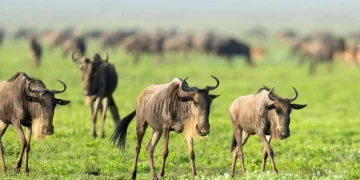
The African savannah, characterized by its open grasslands dotted with acacia trees, is the quintessential image of the continent. The Serengeti in Tanzania and Maasai Mara in Kenya are prime examples, hosting one of the most spectacular wildlife phenomena in the world—the Great Migration. Every year, over a million wildebeests, accompanied by hundreds of thousands of zebras and gazelles, traverse this ecosystem in search of greener pastures, pursued by predators such as lions, cheetahs, and hyenas.
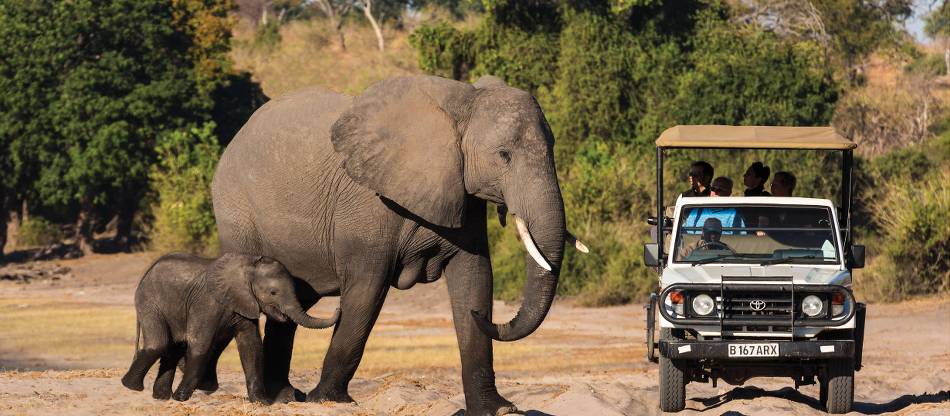
A safari through these grasslands is not merely a visual delight; it is an immersive ecological experience. Observers can witness predator-prey dynamics, social behaviors within animal herds, and the intricate balance that sustains this ecosystem. Guided safaris led by expert trackers often provide insights into animal behavior, conservation challenges, and local Maasai traditions, enriching the journey beyond mere sightseeing.
Tropical Rainforests: The Lungs of Africa
Contrasting the arid savannah, Africa’s rainforests are dense, humid, and teeming with biodiversity. The Congo Basin, spanning six countries, is the second-largest tropical rainforest in the world. This ecosystem is home to endangered species such as the western lowland gorilla, forest elephants, and the elusive okapi. River systems meander through these forests, sustaining both wildlife and local human populations.
Exploration in the Congo requires preparation and respect for the environment. Guided treks often involve traversing thick undergrowth, crossing rivers, and camping in eco-friendly lodges. Beyond wildlife, these forests are repositories of ethnobotanical knowledge; many indigenous communities possess centuries-old expertise in medicinal plants, reflecting a harmonious relationship with their environment.
Desert Adventures: The Sahara and Beyond
Northern Africa is dominated by the Sahara, the world’s largest hot desert. Its vast dunes, rocky plateaus, and oases create a surreal landscape, offering a different kind of adventure. Camel caravans, traditional nomadic cultures, and starlit nights in the desert reveal a connection between humans and an extreme environment.
The Sahara is not only a visual marvel but also a geological museum. Fossilized remains, ancient rock art, and the remnants of prehistoric lakes indicate that this arid region once supported rich biodiversity and human settlements. Modern desert expeditions can include trekking across sand seas, visiting Berber villages, and studying the adaptation strategies of flora and fauna that survive in extreme heat.
Africa’s Majestic Waterfalls and Rivers
Water shapes landscapes and livelihoods across Africa. Victoria Falls, on the border of Zambia and Zimbabwe, is one of the most spectacular waterfalls in the world. Locally known as “Mosi-oa-Tunya” or “The Smoke That Thunders,” it presents an awe-inspiring display of nature’s raw power. White-water rafting on the Zambezi River, helicopter tours above the falls, and walking along the surrounding rainforests provide different perspectives of this natural wonder.
Rivers like the Nile, Congo, and Zambezi are lifelines for ecosystems and civilizations alike. Eco-cruises and guided river safaris offer a chance to observe hippos, crocodiles, and myriad bird species, while also understanding the historical significance of these waterways in shaping human societies.
Mountains and Volcanic Landscapes
Africa is also home to towering mountains and active volcanoes. Mount Kilimanjaro, the highest peak on the continent, attracts thousands of climbers annually. Its snow-capped summit juxtaposed with surrounding savannahs presents an extraordinary ecological gradient, from tropical forests at the base to alpine deserts near the peak. Kilimanjaro treks provide insights into glacial retreat, climate change impacts, and high-altitude ecology.
Other notable volcanic landscapes include the Virunga Mountains in Rwanda and the Ethiopian Highlands. These regions harbor rare species such as the mountain gorilla and gelada monkeys, making them prime destinations for eco-tourists and researchers alike.
Cultural Dimensions of Natural Exploration
Natural adventures in Africa are intertwined with cultural experiences. Indigenous communities, including the Maasai, Himba, San, and Tuareg, possess profound knowledge of local ecosystems. Participating in traditional ceremonies, learning about sustainable hunting and gathering practices, and understanding folklore and ecological beliefs deepen the sense of connection with the environment.
Sustainable tourism initiatives increasingly emphasize responsible interaction with both nature and communities. Travelers are encouraged to support local guides, respect wildlife habitats, and engage with conservation programs, ensuring that the beauty of Africa remains intact for future generations.
Conservation and Ecological Challenges
Despite its grandeur, Africa faces significant ecological pressures. Poaching, deforestation, climate change, and human-wildlife conflicts threaten many iconic species and habitats. Conservation organizations, both local and international, have implemented anti-poaching measures, habitat restoration projects, and community-based conservation programs.
For adventurers, participating in conservation activities—such as monitoring wildlife populations, habitat restoration, or supporting anti-poaching patrols—adds a meaningful dimension to exploration. Such involvement transforms travel from passive observation to active stewardship of Africa’s natural heritage.
Seasonal Considerations and Travel Planning
Planning an African adventure requires understanding seasonal variations. The dry season, typically from June to October, offers excellent wildlife viewing as animals congregate near water sources. The wet season, while presenting challenges such as muddy tracks, rewards travelers with lush landscapes, abundant birdlife, and fewer crowds.
Specialized tours, including photographic safaris, birdwatching expeditions, and adventure treks, cater to diverse interests. High-quality eco-lodges, luxury tented camps, and community-run accommodations provide options for every traveler while promoting sustainable tourism practices.
Adventure Activities Beyond Wildlife Viewing
Africa’s natural adventures are not limited to traditional safaris. Thrill-seekers can engage in rock climbing in the Drakensberg Mountains, sandboarding in the Namib Desert, or kayaking through the Okavango Delta. Scuba diving along the Red Sea coast or snorkeling in the coral reefs of Zanzibar offers a glimpse into the continent’s underwater biodiversity. Hot-air balloon safaris above the Serengeti provide a surreal aerial perspective of wildlife migration and open landscapes.
For hikers and trekkers, Africa’s landscapes offer unparalleled diversity—from the volcanic craters of Ngorongoro to the sandstone cliffs of the Fish River Canyon in Namibia. Each terrain presents distinct challenges, flora, fauna, and cultural encounters, ensuring that no two adventures are ever alike.
Conclusion: Africa as the Ultimate Natural Playground
Africa’s natural adventures transcend ordinary travel. The continent is a living laboratory of ecological complexity, cultural richness, and geographical diversity. From savannahs teeming with predators to misty mountain peaks, from thunderous waterfalls to tranquil deserts, every corner of Africa offers experiences that engage the senses and expand understanding.
For those who seek not just to observe, but to connect, Africa provides an unparalleled playground of discovery, learning, and awe. The key to a fulfilling journey lies in preparation, respect for ecosystems and cultures, and an eagerness to embrace both the grandeur and subtleties of the natural world. Africa’s wilderness, ever dynamic and profoundly inspiring, remains a testament to the extraordinary beauty and resilience of life on Earth.