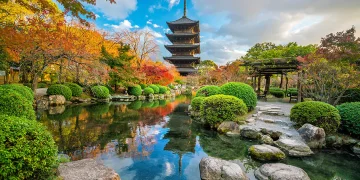









Japan, a country where centuries-old traditions blend harmoniously with modernity, is renowned for its rich cultural heritage, and Kyoto stands as a testament to this ancient splendor. Known as Japan’s historical heart, Kyoto is home to some of the most iconic temples and shrines, as well as being the focal point for the breathtaking cherry blossom (sakura) season. The combination of serene temple gardens and delicate cherry blossoms has made Kyoto one of the most sought-after travel destinations in the world, especially during the spring months.
The beauty of Kyoto’s temples and the ethereal cherry blossoms that surround them represents more than just a visual spectacle. It is an experience that evokes deep emotional and spiritual connections for both locals and travelers. Through this article, we will explore the historical, cultural, and spiritual significance of Kyoto’s temples, delve into the symbolism of the cherry blossoms, and examine how the two come together to offer a unique and timeless experience.
1. Introduction to Kyoto: A Spiritual Capital
Kyoto, the former imperial capital of Japan, is often considered the cultural and spiritual heart of the nation. It served as the capital for over a thousand years, from 794 until 1868, when the capital moved to Tokyo. This period of history is known as the Heian period, during which many of Japan’s most important cultural traditions were solidified. Kyoto’s rich heritage is preserved in its vast number of temples, shrines, traditional tea houses, and other cultural landmarks.
The city is home to 17 UNESCO World Heritage sites, the majority of which are Buddhist temples, Shinto shrines, and historical monuments. Some of these places are as old as the Heian period itself, and their importance is not just in their historical significance but also in their ongoing role as living places of worship and cultural preservation.
Kyoto’s temples are not only architectural wonders but also places of tranquility, where visitors come to meditate, reflect, and find peace. These temples, especially when framed by the breathtaking beauty of sakura (cherry blossoms) in spring, form an integral part of the city’s spiritual landscape.
2. Kyoto’s Temples: A Blend of Architecture and Spirituality
Kyoto’s temples are an embodiment of Japan’s spiritual and philosophical traditions. They are not merely buildings but are repositories of centuries of history, art, and Buddhist teachings. Many of the most famous temples in Kyoto are Zen Buddhist institutions, but the city also boasts significant Shinto shrines, Pure Land temples, and Taoist sanctuaries. Let’s take a closer look at some of Kyoto’s most iconic temples.
2.1 Kinkaku-ji: The Golden Pavilion
Kinkaku-ji, or the Golden Pavilion, is perhaps the most famous of Kyoto’s temples and a symbol of Japan’s cultural heritage. Originally built in 1397 as a retirement villa for the shogun Ashikaga Yoshimitsu, it was later converted into a Zen Buddhist temple. The temple is renowned for its stunning appearance: the top two floors are covered in gold leaf, which gleams brightly against the backdrop of the lush greenery and serene pond surrounding it. The reflection of the temple on the water, especially when the cherry blossoms are in full bloom, is one of the most photographed sights in Japan.
Kinkaku-ji’s gardens also embody the Zen philosophy, with meticulously designed landscapes that encourage contemplation and a deeper connection with nature. The temple’s atmosphere is one of serenity and mindfulness, where visitors are invited to slow down and appreciate the beauty of the natural world.
2.2 Kiyomizu-dera: The Pure Water Temple
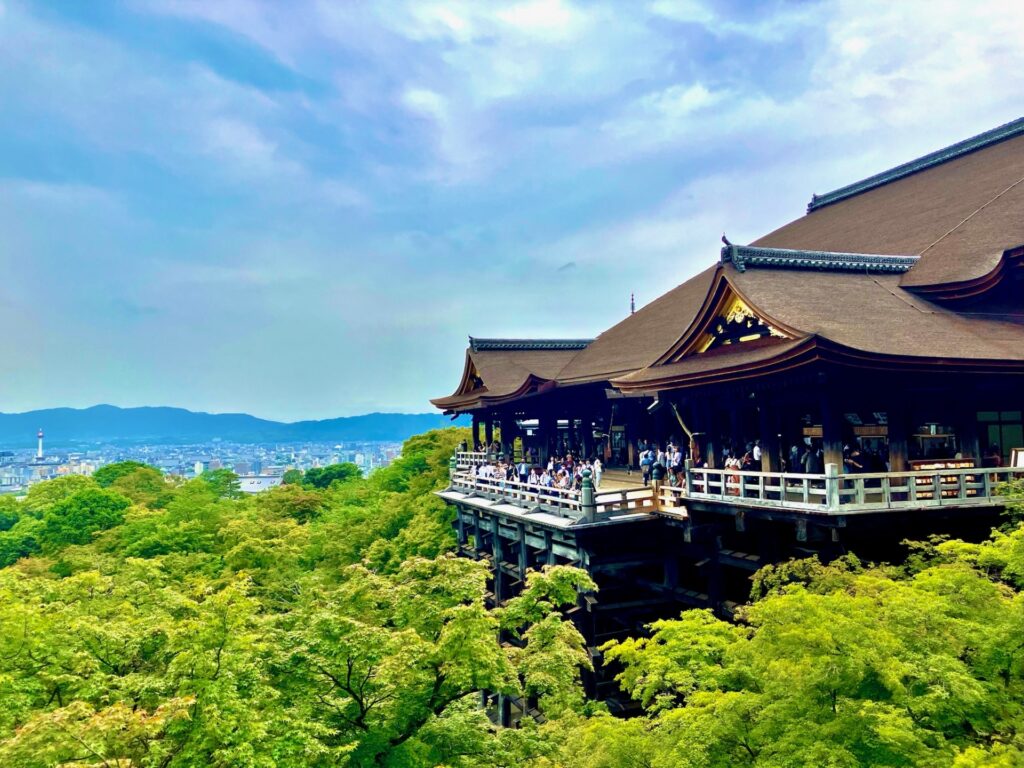
Kiyomizu-dera is another iconic Buddhist temple in Kyoto. Founded in the late 8th century, the temple is dedicated to Kannon, the Goddess of Mercy. The temple’s main hall, Hondo, is renowned for its large wooden stage supported by hundreds of wooden pillars, which juts out over the hillside, offering spectacular views of the city and surrounding forest. The name “Kiyomizu” means “pure water,” a reference to the Otowa Waterfall that flows through the temple grounds.
Kiyomizu-dera is particularly famous for its connection to the sakura season, as the temple’s grounds are surrounded by hundreds of cherry trees that bloom in a spectacular display of pink blossoms. During the cherry blossom season, the temple hosts many visitors, who come not only to worship but to witness the mingling of spirituality and nature as the blossoms symbolize the fleeting nature of life in Buddhist philosophy.
2.3 Ginkaku-ji: The Silver Pavilion
While not as glittering as its counterpart, Kinkaku-ji, Ginkaku-ji, or the Silver Pavilion, is equally revered. Built in the late 15th century as a retreat for the shogun Ashikaga Yoshimasa, the temple is less opulent but is known for its understated beauty and Zen gardens. The temple’s sand garden, called the “Sea of Silver Sand,” and its famous “Silver Pavilion” offer a calming space for visitors to reflect on Zen teachings and appreciate nature’s simplicity.
Ginkaku-ji’s gardens are also designed in a way that changes with the seasons. During the spring, the cherry blossoms bloom in a breathtaking scene, transforming the temple grounds into a picturesque haven where visitors can meditate and embrace the beauty of impermanence, an important Buddhist concept.
3. Cherry Blossoms in Kyoto: Symbolism and Beauty
Cherry blossoms, or sakura, are deeply ingrained in the cultural and spiritual fabric of Japan. The cherry blossom season in Kyoto is considered one of the most beautiful times of the year, when the city’s parks, temples, and shrines are awash in a sea of pale pink flowers. The fleeting beauty of the blossoms reflects the impermanence of life, a central theme in Japanese aesthetics and Buddhist philosophy.
3.1 The Significance of Cherry Blossoms
In Japan, the cherry blossom holds deep symbolic meaning. The brief blooming period, usually from late March to early April, represents the ephemeral nature of life, a theme echoed in the Buddhist doctrine of impermanence. The idea is that, much like the cherry blossom, life is beautiful but fleeting, and we must appreciate each moment while it lasts. This philosophy is reflected in the way the Japanese approach hanami, or the practice of flower viewing, which involves appreciating the beauty of cherry blossoms during their short bloom period.
For centuries, cherry blossoms have been celebrated in literature, poetry, and art, and their presence in Kyoto’s temples and gardens enhances the spiritual experience for visitors. The soft pink blossoms are often seen as a reminder of the fragility of human existence, making the combination of temples and cherry blossoms in Kyoto a poignant space for reflection and mindfulness.
3.2 Cherry Blossom Viewing in Kyoto
Kyoto is famous for its cherry blossom viewing spots, and many of the temples are prime locations for hanami. Some of the best places to see cherry blossoms in Kyoto include:
- Maruyama Park: Known for its large weeping cherry tree, this park becomes a popular spot for both locals and tourists to gather and enjoy a picnic under the blossoms.
- Philosopher’s Path: A beautiful walking trail that runs alongside the Lake Biwa Canal, lined with hundreds of cherry trees, creating a magical corridor of blossoms that reflect on the water.
- Nijo Castle: A UNESCO World Heritage site, this castle has beautiful gardens that feature cherry blossoms, making it a fantastic place for hanami.
- Arashiyama: The scenic area of Arashiyama, with its famous bamboo groves, also offers stunning views of cherry blossoms in the spring, especially near the Tenryu-ji Temple.
4. The Spiritual Connection: How Kyoto’s Temples and Cherry Blossoms Intersect
The connection between Kyoto’s temples and cherry blossoms is more than just aesthetic—it’s spiritual. In Kyoto, temples and cherry blossoms exist together as symbols of Japan’s deep reverence for nature and the impermanence of life. During the cherry blossom season, temples like Kinkaku-ji, Ginkaku-ji, and Kiyomizu-dera become gathering places for people seeking not only beauty but also inner peace.
The cherry blossoms, with their delicate beauty, remind visitors of the transient nature of life, while the temples provide a space for contemplation, prayer, and meditation. Together, they form a perfect harmony of nature and spirituality, where the temporal meets the eternal. The ephemeral cherry blossoms stand as a metaphor for the Buddhist understanding of life’s fleeting nature, encouraging visitors to live fully in the moment and appreciate the beauty of the present.
5. Kyoto’s Cherry Blossoms and Temples: A Timeless Cultural Experience
For travelers and spiritual seekers alike, visiting Kyoto during the cherry blossom season offers an unparalleled experience. The beauty of the cherry blossoms set against the backdrop of Kyoto’s ancient temples creates a magical atmosphere that is both tranquil and awe-inspiring. Whether one is seeking a spiritual journey or simply wishing to witness nature’s beauty, Kyoto provides an unforgettable cultural experience that blends history, spirituality, and the fleeting beauty of the sakura.
In conclusion, the temples of Kyoto and the cherry blossoms are intertwined in the cultural, spiritual, and aesthetic fabric of Japan. Together, they offer a journey through the country’s ancient traditions, its deep respect for nature, and its contemplation of life’s impermanence. A visit to Kyoto is not just a trip through history but also an opportunity to reflect, connect with nature, and experience a culture that values both the present moment and the passage of time.