








The allure of the Himalayas has captured the hearts and minds of adventurers, mountaineers, and trekkers from around the globe. Towering above all, Mount Everest stands as the crown jewel of this majestic mountain range, the highest peak on Earth at 8,848 meters (29,029 feet). Situated at the intersection of Nepal and Tibet, Everest is not only a challenge for seasoned climbers but also a sacred destination for those who seek to witness its awe-inspiring beauty up close. For many, the Everest Base Camp (EBC) trek is the ultimate Himalayan adventure—a physical and spiritual journey that combines breathtaking natural landscapes, challenging terrain, and a deep cultural experience.
This article provides a comprehensive guide to trekking to Everest Base Camp, detailing the route, preparation, challenges, cultural insights, and the significance of the trek. Whether you are an experienced trekker or a novice adventurer, the EBC trek offers an unforgettable experience of the world’s highest mountains.
The Significance of the Everest Base Camp Trek
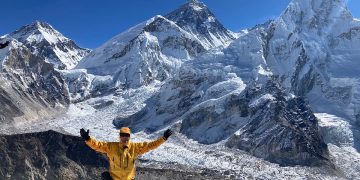
The Everest Base Camp trek is one of the most iconic trekking routes in the world. For many trekkers, reaching Everest Base Camp (EBC) symbolizes the pinnacle of their adventure travel aspirations. Located at an altitude of 5,364 meters (17,598 feet), EBC offers stunning panoramic views of Mount Everest, Lhotse, Nuptse, and several other towering peaks.
However, the trek is not just about the destination—it’s about the journey. As you make your way through dense rhododendron forests, along rocky trails, across glacial rivers, and past ancient monasteries, you experience the natural beauty and deep cultural heritage of the Sherpa people. The trek allows you to immerse yourself in the unique blend of Tibetan Buddhism, high-altitude hiking, and the profound connection to the mountains.
The Route: A Step-by-Step Guide to the Everest Base Camp Trek
The journey to Everest Base Camp is typically completed over 12-14 days, with the trek beginning and ending in Lukla, a small mountain town accessible by a short flight from Kathmandu, Nepal’s capital. The route traverses through several Sherpa villages, lush valleys, rocky moraine, and glaciers, gradually ascending to the base of the world’s tallest peak.
Day 1: Arrival in Kathmandu
Before beginning your trek, you’ll spend a day or two in Kathmandu, the vibrant capital of Nepal, to prepare for the journey. Kathmandu is the gateway to the Himalayas, with a rich cultural heritage and a bustling atmosphere. Here, you will finalize permits, meet your guide and porters, and ensure that your gear is in order. The next day, you’ll catch a flight to Lukla to begin your trek.
Day 2: Lukla to Phakding (2,610 meters)
The trek begins with a scenic flight to Lukla, a small town perched at 2,860 meters (9,383 feet). From here, you’ll hike to Phakding, a journey of approximately 3-4 hours. The trail meanders along the Dudh Koshi River, crossing several suspension bridges adorned with colorful prayer flags, and takes you through small villages and dense forests. This first day of trekking is relatively easy, allowing your body to adjust to the higher altitudes.
Day 3: Phakding to Namche Bazaar (3,440 meters)
After breakfast, you’ll begin your trek towards Namche Bazaar, the gateway to the Khumbu region. The trail becomes steeper as you climb out of the Dudh Koshi Valley and ascend into the heart of the Everest region. Namche Bazaar, a bustling Sherpa town, is where trekkers often spend an extra day to acclimatize to the altitude. The town has several shops, guesthouses, restaurants, and even an internet café.
Day 4: Acclimatization Day in Namche Bazaar
To adjust to the altitude and prevent altitude sickness, most trekkers take a day off in Namche Bazaar. There are various options for short hikes around the area, including a trek to the Everest View Hotel for panoramic views of Mount Everest and the surrounding peaks, or a visit to the Sherpa Museum, which provides insights into the history and culture of the Sherpa people.
Day 5: Namche Bazaar to Tengboche (3,860 meters)
From Namche, the trail continues to Tengboche, home to the famous Tengboche Monastery, one of the most important spiritual centers in the Khumbu region. The route provides spectacular views of Everest, Lhotse, Nuptse, and Ama Dablam. The trek is moderate in difficulty, with gradual ascents and some rocky terrain.
Day 6: Tengboche to Dingboche (4,410 meters)
The trek from Tengboche to Dingboche offers incredible views of Everest and other Himalayan giants. As you ascend, the terrain becomes more rugged, and the air thinner, signaling the higher altitude. Dingboche is a small, peaceful village, and it is here that trekkers often take another acclimatization day to help the body adjust before continuing to higher elevations.
Day 7: Acclimatization Day in Dingboche
The acclimatization day in Dingboche can be spent on a hike up to the nearby ridge for panoramic views of the surrounding peaks, including Makalu and Cho Oyu. This is a crucial day to ensure you are well-prepared for the higher altitudes of the coming days.
Day 8: Dingboche to Lobuche (4,940 meters)
The trek from Dingboche to Lobuche is relatively challenging due to the higher altitude and the steep terrain. As you climb further into the Khumbu Glacier area, the landscape becomes more barren and rugged. However, the views of Everest and the surrounding peaks are nothing short of awe-inspiring. Lobuche is a small settlement located at the foot of the Khumbu Glacier.
Day 9: Lobuche to Gorak Shep (5,170 meters) and Everest Base Camp (5,364 meters)
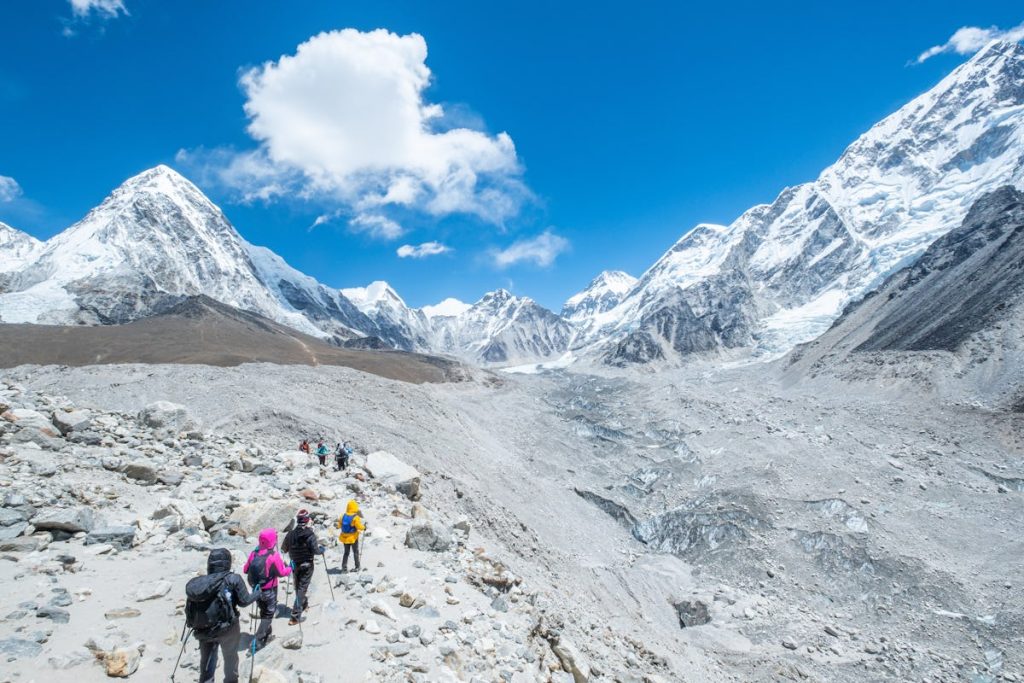
This is the highlight of the trek—reaching Everest Base Camp. The day begins with a challenging hike to Gorak Shep, a small settlement that lies just below the base camp. From Gorak Shep, you will continue along a rocky and moraine-filled trail, with the Everest summit looming in the distance. After a strenuous hike, you’ll finally reach Everest Base Camp, where you can bask in the stunning views of the Khumbu Icefall, Everest, and the surrounding peaks. This is a moment of triumph for most trekkers, and it’s a chance to reflect on the immense beauty and power of the Himalayas.
Day 10: Gorak Shep to Kala Patthar (5,545 meters) and Return to Pheriche (4,240 meters)
The day after reaching Everest Base Camp, many trekkers opt to rise early and hike up to Kala Patthar, a famous viewpoint offering one of the best views of Mount Everest. Standing at 5,545 meters, Kala Patthar offers panoramic vistas of Everest, Lhotse, and other towering peaks. Afterward, you’ll begin your descent, retracing your steps back down to Pheriche, where you’ll spend the night.
Day 11-13: Descend Back to Lukla
The remaining days of the trek are spent descending through familiar terrain, retracing your steps back through villages like Dingboche, Tengboche, and Namche Bazaar. As you descend, the air thickens, and your body gradually acclimates back to lower altitudes. The journey back is often faster and less physically demanding than the ascent.
Day 14: Lukla to Kathmandu
On the final day of your trek, you’ll take a flight from Lukla back to Kathmandu. This flight offers one last breathtaking view of the Himalayas before you return to the bustling energy of the capital city.
Physical Preparation and Fitness for the EBC Trek
Trekking to Everest Base Camp is a physically demanding journey, requiring adequate preparation and fitness. While the trek does not require technical climbing skills, it does involve long hours of hiking on challenging terrain at high altitudes. Here are some tips to help you prepare:
1. Cardiovascular Fitness
Building cardiovascular endurance is essential for the trek. Running, cycling, and hiking on uneven terrain can help improve your stamina.
2. Strength Training
Strengthening your legs and core will help you tackle the steep ascents and descents. Squats, lunges, and step-ups are great exercises to simulate the demands of the trek.
3. Altitude Acclimatization
Before embarking on the trek, it is advisable to spend some time at higher altitudes to allow your body to adjust. Training at high altitudes can enhance your body’s ability to cope with reduced oxygen levels.
4. Mental Resilience
The mental challenge of the trek is just as important as the physical one. Prepare yourself for long days of hiking, potentially in tough weather conditions, and understand that the journey requires patience and perseverance.
Cultural Insights Along the EBC Trek
The Everest Base Camp trek is not just about physical challenges; it also offers a deep dive into the culture and traditions of the Sherpa people. The Sherpas, known for their expertise in high-altitude mountaineering, have a rich history and a deep connection to the mountains.
1. Sherpa Hospitality
Sherpas are renowned for their warm hospitality and strong sense of community. Throughout the trek, you will be welcomed into local guesthouses where you can interact with Sherpa families, learn about their way of life, and share stories with fellow trekkers.
2. Tibetan Buddhism
The region is heavily influenced by Tibetan Buddhism, and you will encounter many monasteries, stupas, and prayer flags along the trail. The Tengboche Monastery, one of the largest in the Khumbu region, offers a glimpse into the spiritual life of the Sherpa people.
3. Chorten and Prayer Flags
As you walk through the villages, you will see chortens (Buddhist shrines) and prayer flags fluttering in the wind. These are symbols of peace and blessings, and trekkers often leave offerings or prayers for a safe journey.
Conclusion: A Journey of a Lifetime
The Everest Base Camp trek is a once-in-a-lifetime journey that offers an unparalleled combination of natural beauty, cultural immersion, and personal achievement. Whether you are drawn to the towering peaks of the Himalayas, the rich Sherpa culture, or the physical challenge of high-altitude trekking, the EBC trek delivers an experience that stays with you long after the journey ends.
From the first step in the bustling streets of Kathmandu to the final breathless moment at Everest Base Camp, the trek embodies the spirit of adventure, perseverance, and discovery. For those who take on this legendary trek, the memories created along the way will last forever, offering not only stunning views of the world’s highest mountain but also a deep sense of accomplishment and connection to the majestic Everest region.